


BY SIFISO NHLABATSI
LOBAMBA – Labour and Social Security Minister Phila Buthelezi has warned employers against insuring only a fraction of their workforce.
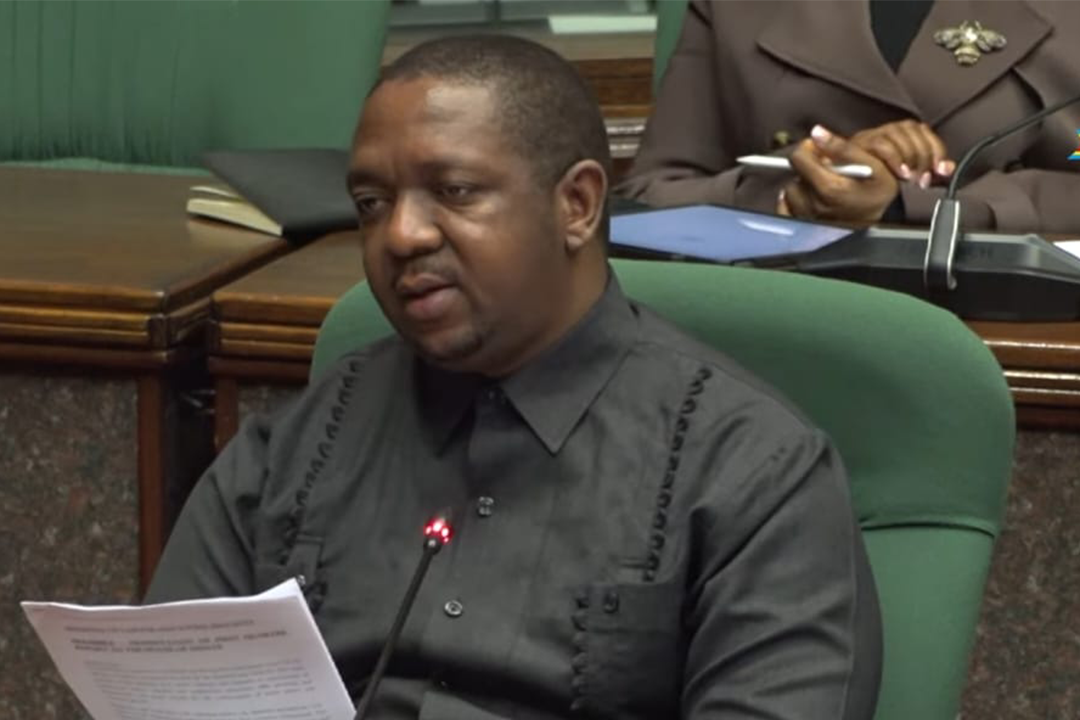
Buthelezi made the remarks while presenting the Ministry of Labour and Social Security’s First Quarter Performance Report for the 2026/27 financial year in Parliament.
The Minister said there was a significant gap in the implementation of workman’s compensation, with some employers allegedly insuring only a small portion of their employees despite having much larger workforces.
He said an employer could have 200 employees but insure only about 20 workers, leaving the remaining employees vulnerable in the event of workplace injuries or fatalities.
“When workers get injured or die at work, we find that the affected employees were not insured,” Buthelezi said, explaining that this could leave employers having to pay compensation from their own pockets.

He urged employers to ensure that all employees are properly insured, warning that failure to do so could create serious financial consequences for businesses while also compromising workers’ protection.
The Minister said the ministry was engaging stakeholders to address the gap in workman’s compensation and would consider amending the relevant legislation if necessary.
The issue was raised by Senators during the presentation of the quarterly report, with legislators calling for stronger intervention by the workman’s compensation authorities, particularly given the number of employees who continue to suffer workplace injuries.
Buthelezi said the ministry was also working to strengthen the department responsible for workman’s compensation by filling vacant positions.
He revealed that some vacancies had already been identified and advertised, expressing hope that filling the positions would make the department more robust and better equipped to carry out its mandate.
The warning comes amid increased labour inspection activity during the first quarter.
According to the report, the Department of Labour conducted 788 inspections between April and June 2026, comprising 504 routine inspections and 284 follow-up inspections.
This represented a 31.8 per cent increase from the 598 inspections conducted during the corresponding period in 2025. While routine inspections declined from 562 to 504, follow-up inspections increased dramatically from 36 to 284.
The ministry said the increase in follow-up inspections demonstrated a stronger focus on ensuring employers comply with labour laws and rectify previously identified violations.
Meanwhile, the Occupational Health and Safety Unit inspected 83 workplaces during the quarter, where 212 occupational injuries were recorded, including two fatalities.
Buthelezi also stressed the importance of workplace preparedness in preventing injuries from becoming more serious.
He said, ideally, companies should have safety officers and trained first-aid personnel or paramedics available on site to provide immediate assistance to injured workers before they are taken to hospital.
The Minister said workers should be managed by people with the necessary first-aid and safety knowledge immediately after an accident.
He urged employers to treat worker safety and insurance as essential responsibilities rather than optional measures.
The ministry’s position is that ensuring comprehensive insurance coverage for employees, coupled with stronger workplace safety measures, is critical to protecting workers and promoting decent and safe working conditions.
#Eswatini #LabourAndSocialSecurity #WorkersRights #WorkplaceSafety #WorkmansCompensation #OccupationalSafety #EmployeeProtection #LabourInspections #EswatiniPositiveNews