


BY GCWALISILE MHLABANE
MANZINI – Rural youth are being equipped with knowledge and skills to confront the growing effects of climate change while protecting their health, livelihoods and communities.
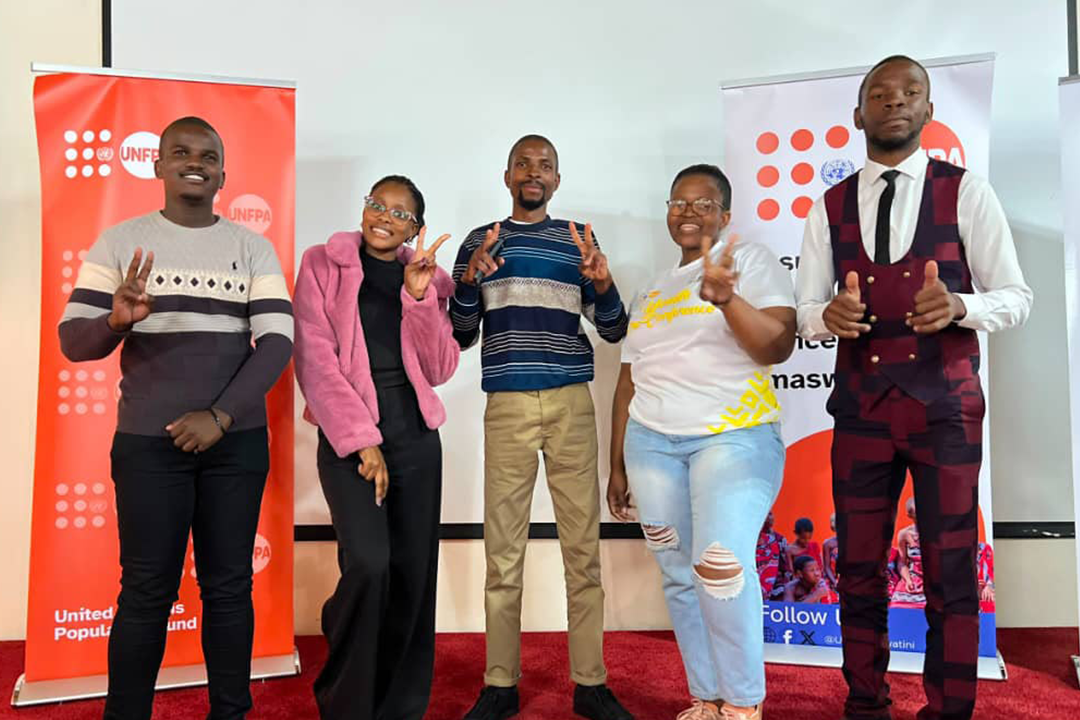
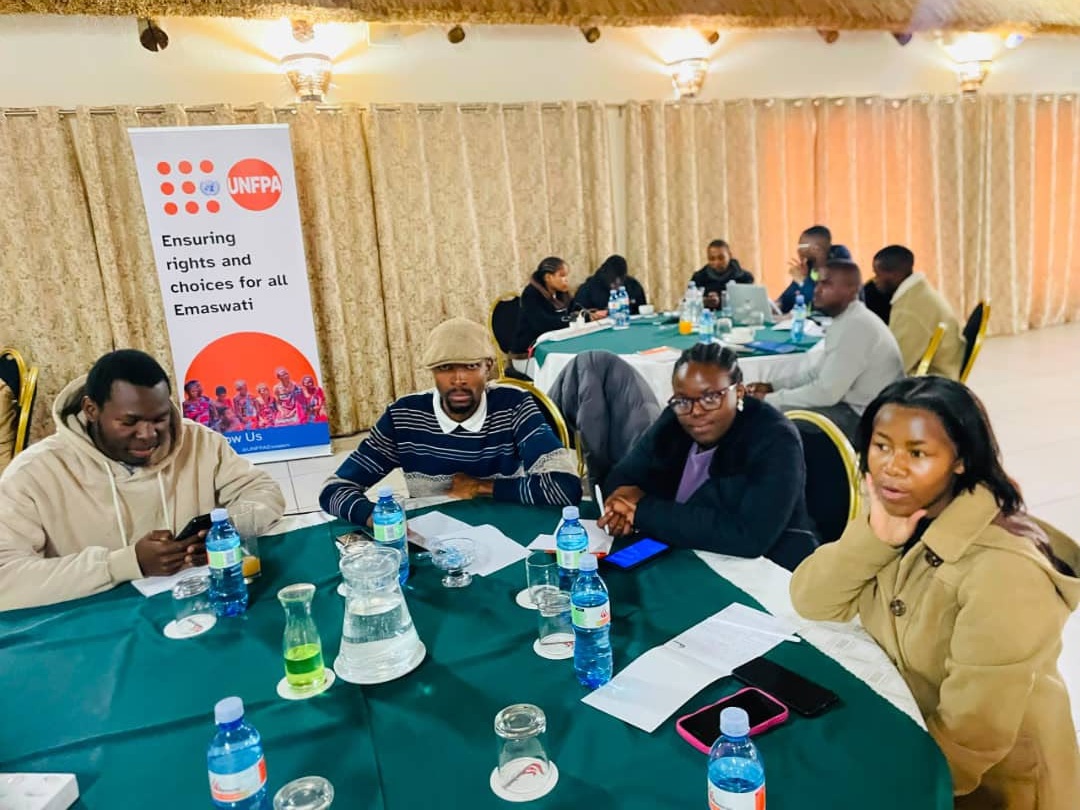
This followed a three-day Training of Trainers programme on “Resilient Futures: Young People, the Climate Crisis and Sexual and Reproductive Health and Rights,” held at Sibanesami Hotel in Ezulwini from August 11 to 13, 2026.
The training was conducted under the United Nations Population Fund (UNFPA), with Ngwempisi Inkhundla youth chairperson Ellis Dlamini participating after being nominated by the Youth Sustainable Development Centre.
For rural communities, climate change is increasingly being felt through prolonged droughts, extreme weather conditions and shifting seasons, with these changes directly affecting agriculture, food security and household livelihoods.

Dlamini said the training was particularly significant for rural youth because they experience the effects of climate change directly within their communities.
“Unlike urban populations who may experience climate change as abstract data, rural youth see it firsthand,” Dlamini said.
He said young people in rural areas were closely connected to the land through agriculture, forestry and local crafts, making environmental protection critical to their economic survival and future prospects.
“Many young people are deeply connected to land through agriculture, forestry or local crafts. This training highlights the urgent need to protect these natural resources, water, soil and forests,” he said.
Dlamini said the programme emphasised sustainable farming and ecosystem restoration as important measures for protecting food supplies and strengthening future economic stability.
The training also highlighted the strong relationship between the environment and the cultural identity of rural and traditional communities.
According to Dlamini, many communities have preserved traditional ecological knowledge over generations, with families depending on land, forests and other natural resources for their livelihoods.
He said this placed an important responsibility on young people to become custodians of the environment and protect the natural resources that have sustained their communities for generations.
The programme also gave rural youth an opportunity to contribute their lived experiences to wider conversations around climate change.
Dlamini said rural voices needed to be included more meaningfully in climate discussions, particularly because communities outside urban areas often face climate-related challenges with limited resources to respond.
He said the training provided an empowering platform for young people to understand these challenges, share their experiences and advocate for practical support and climate justice.
Dlamini further identified community tree planting, environmental education campaigns and environmental rallies as some of the ways young people could turn knowledge into action.
He said such initiatives could help transform rural youth from communities affected by climate change into active participants in building climate resilience.
The training also strengthened participants’ understanding of the link between climate change and health, including sexual and reproductive health and rights (SRHR).
Dlamini said the programme helped young people understand that climate change affects more than the physical environment and can have consequences across different aspects of people’s lives.
“Attending this UNFPA three-day Training of Trainers enables us as Ngwempisi Inkhundla youth to understand what climate change is and how it impacts on health, including sexual and reproductive health rights,” he said.
He said the training encouraged participants to consider different levels of action that could help communities mitigate and adapt to the effects of climate change.
“It also encouraged us to think about the different levels of change that can help us mitigate and adapt to the effects of climate change, including how to live healthy and protect our own sexual and reproductive health rights,” Dlamini said.
He added that the ability of young people to plan for their futures was closely connected to their ability to live healthy and safe lives and make informed decisions about their reproductive health.
Dlamini also referred to the 2023 Reykjavik Summit, where heads of state and government of the Council of Europe reaffirmed that a clean, healthy and sustainable environment is essential to the enjoyment of human rights by present and future generations.
He said the discussions around the summit demonstrated the interconnected nature of pollution, climate change and biodiversity loss, reinforcing the need for stronger action to protect communities and the environment.
Dlamini expressed gratitude to UNFPA for the training and hospitality, saying young people now had a greater responsibility to take the knowledge gained back to their communities.
He stressed that rural development required platforms where young people’s voices, ideas and experiences were valued.
“Engaging the youth in rural development involves creating platforms where their voices and ideas are valued. This not only empowers them but also instils a sense of ownership and responsibility, making them contributors to positive change within communities,” he said.
Dlamini said young people possess energy, creativity and fresh perspectives that can be channelled towards addressing longstanding challenges in rural communities.
He said embracing new ideas and approaches could help communities develop innovative solutions while strengthening sustainable development.
The training has therefore positioned rural youth as more than beneficiaries of climate interventions, but as potential leaders in building resilient communities.
For Ngwempisi youth, the lessons extend from environmental protection to health, livelihoods, human rights and sustainable development, placing young people at the heart of efforts to build safer and more resilient communities.
#Eswatini #RuralYouth #UNFPA #ClimateResilience #ClimateAction #SRHR #YouthEmpowerment #SustainableDevelopment #NgwempisiInkhundla