


BY SIFISO NHLABATSI
MBABANE – The Southern African Development Community (SADC) has been urged to stop exporting its minerals in raw form and instead process them within the region to create sustainable jobs, build industries and retain more wealth in Southern Africa.
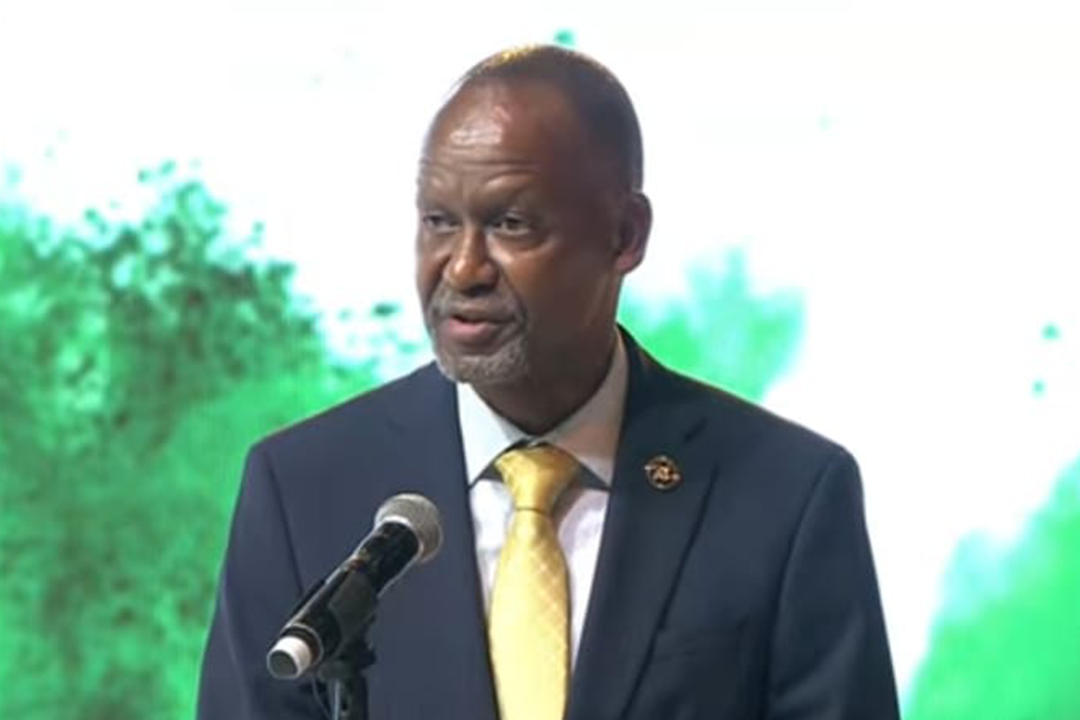
SADC Executive Secretary Elias Magosi said the region, with a combined Gross Domestic Product (GDP) exceeding E14.21 trillion and a population of about 382 million people, already possessed the resources, markets and economic base needed to transform its vast mineral wealth into industrial development.
He insisted that the region should no longer wait for permission to begin transforming its resources into finished and higher-value products.
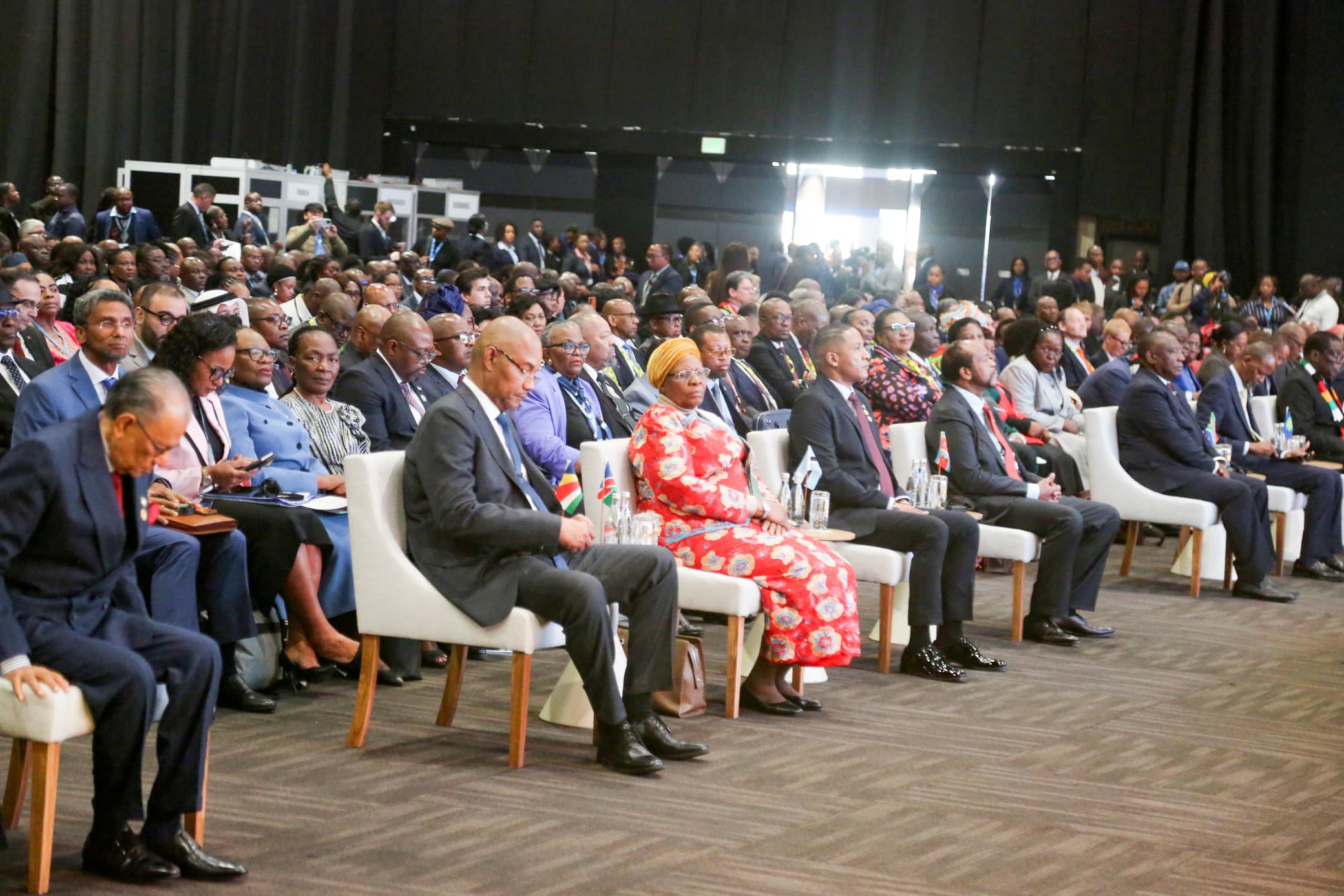
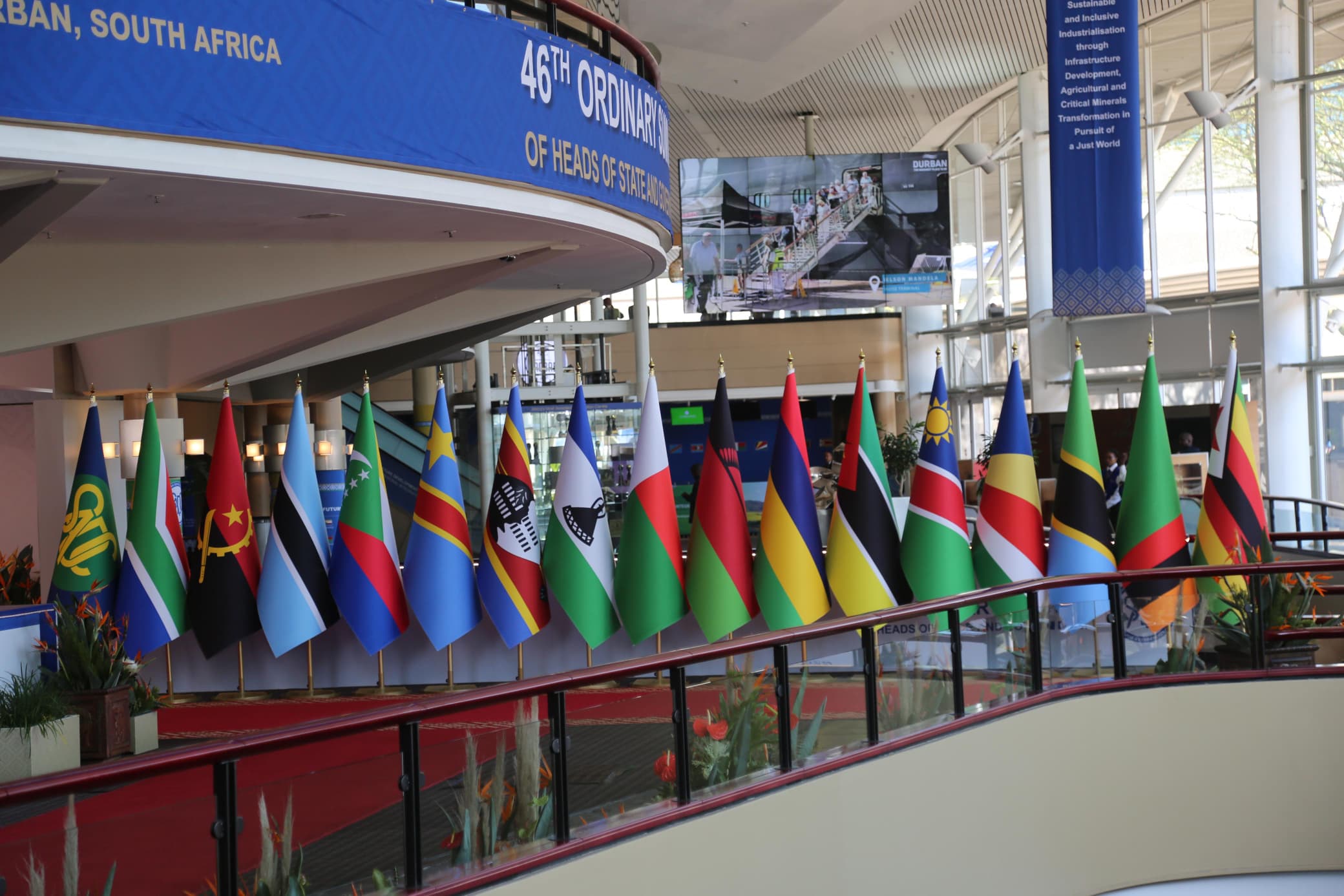
Magosi was speaking on Monday during the opening of the 46th SADC Summit of Heads of State and Government in Durban, South Africa, where he challenged regional leaders to accelerate industrialisation and beneficiation of the region’s critical minerals.

“The challenge is when do we stop exporting them in raw form and start adding value to them and creating sustainable jobs and wealth,” Magosi said.
“Once more, we do not need permission from anyone to start this process. Let us start now!”
His remarks came as SADC leaders gathered under the theme: “Resilient, Sustainable and Inclusive Industrialisation through Infrastructure Development, Agricultural and Critical Minerals Transformation in Pursuit of a Just World.”
The theme places industrialisation and the transformation of the region’s natural resources at the centre of SADC’s development agenda.
Magosi said SADC was uniquely positioned to benefit from the global transition towards clean energy, digital technologies and advanced manufacturing because of its abundant reserves of minerals that are critical to industries of the future.
These include platinum group metals, lithium, cobalt, graphite, manganese, rare earth elements and copper.
However, he said the region’s challenge was no longer about understanding the potential of these resources.
SADC, he said, had repeatedly discussed the importance of beneficiation and had already made commitments aimed at changing the economic trajectory of the region.
The immediate challenge, according to Magosi, was turning those commitments into action by processing minerals within the region instead of exporting them in raw form.
He said SADC’s ambition should be to move beyond being an exporter of raw materials and position itself as a globally competitive centre for beneficiation, value addition, manufacturing, innovation and industrialisation.
The Executive Secretary said industrialisation was central to achieving structural transformation, economic diversification, job creation, poverty reduction and improved living standards.
For this to happen, however, he said the region needed modern and reliable infrastructure.
He identified sustainable energy systems, efficient transport networks, ports, logistics platforms and affordable digital connectivity as essential enablers of industrialisation and regional competitiveness.
Magosi’s call comes against the backdrop of a region whose combined economy exceeds E14.21 trillion and whose population stands at approximately 382 million.
He said these figures demonstrated the transformative power that could be unlocked through unity, partnership and collective action among SADC Member States.
From its origins as a regional movement focused on cooperation and liberation, SADC has evolved into one of Africa’s major regional economic communities.
Over more than four decades, the bloc has expanded cooperation in areas including trade and investment, infrastructure connectivity, regional integration, peace and security and sustainable development.
Magosi said the achievements recorded by SADC were testimony to what Member States could accomplish when they worked together.
He stressed that no country could realise its full potential in isolation in an increasingly interconnected global economy.
“Our strength lies in working together, trading together, investing together, and building together,” he said.
Magosi said the changing global environment, characterised by economic uncertainty, climate-related challenges, technological transformation and shifting geopolitical realities, was increasingly demonstrating why SADC needed to accelerate regional integration.
The region, he said, could no longer afford to depend excessively on external markets and partners when it had the resources and capabilities to build stronger economies from within.
He said SADC countries needed to depend more on one another while strengthening trust and economic cooperation among Member States.
AGRICULTURE ALSO KEY TO TRANSFORMATION
Magosi said the push for value addition should extend beyond mining, identifying agriculture as another major sector through which SADC could create jobs, strengthen food security and promote inclusive economic growth.
Agriculture, he said, remained a cornerstone of many SADC economies and a source of livelihood for millions of people.
Despite climate-related challenges, Member States had continued investing in irrigation, mechanisation, climate-smart agriculture, improved seed systems and agro-processing.
These interventions, he said, had strengthened resilience and contributed to improvements in food security across the region, including a 16 per cent reduction in food insecurity.
Magosi said SADC needed to go further by investing across the entire agricultural value chain, from production and processing to storage, transportation and market access.
Such investment, he said, would enhance food security while creating employment and supporting inclusive economic growth.
YOUNG PEOPLE CENTRAL TO INDUSTRIALISATION
The region’s industrialisation ambitions would also require greater investment in its people, particularly the youth.
Magosi said technological change and the shift towards knowledge-driven economies made it necessary for SADC countries to equip young people with relevant skills, education and opportunities.
He identified technical and vocational training, digital literacy, innovation, entrepreneurship, science and technology as regional priorities.
He also called for greater support for youth-led enterprises, improved access to finance and technology and the creation of pathways towards decent employment.
The Executive Secretary further congratulated South Africa on hosting the 9th SADC Industrialisation Week, which he described as the region’s premier platform for dialogue involving governments, the private sector, investors, innovators and development partners.
He said recommendations emerging from the Industrialisation Week should assist SADC in implementing its Industrialisation Strategy and promoting inclusive and sustainable economic growth.
As SADC marks more than four decades of regional cooperation, Magosi said the region should remain focused on building economies that are resilient, industrialised, prosperous and integrated.
He said the ultimate vision should be of a SADC where economies grow, industries flourish, trade expands, young people thrive and opportunities reach communities across the region.
#SADC #SADC46 #Industrialisation #CriticalMinerals #Beneficiation #EconomicTransformation #RegionalIntegration #Africa #EswatiniPositiveNews #SADC2026