



BY LINDELWA MYENI
MBABANE – The wellbeing of about 395 000 vulnerable children across Eswatini has been placed at the centre of a strengthened partnership between World Vision and the House of Senate, as the two institutions seek to turn national policies into practical improvements in the lives of children and communities.
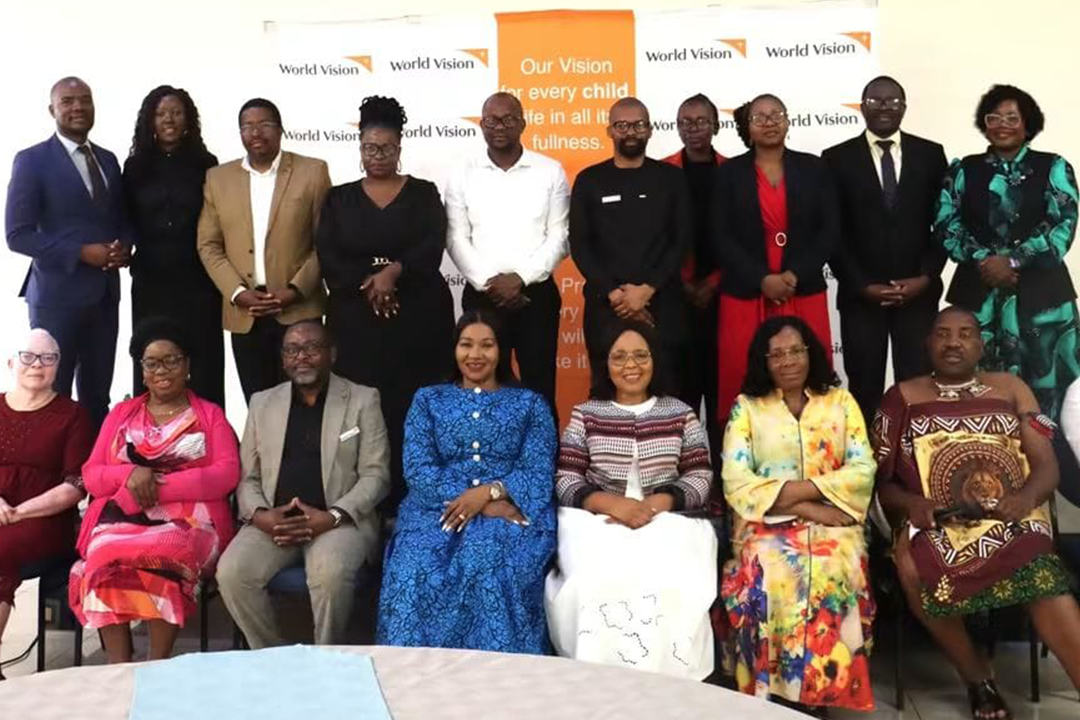
World Vision recently engaged Senators as part of the rollout of its 2026–2030 National Strategy, which aims to contribute towards improved wellbeing and expanded opportunities for 395 000 vulnerable children.
The engagement went beyond discussing policies on paper, with the organisation placing emphasis on ensuring that decisions taken at national level eventually reach children in the form of better nutrition, education, access to clean water and sanitation, stronger protection systems and more resilient communities.
At the centre of the discussions were several policy areas that directly affect children and families. These included the review of the Water Act, the National Nutrition Policy Draft 2015, strengthening school-feeding provisions under the Education Sector Policy, child protection, community resilience, sustainable implementation and accountability.

For World Vision, strengthening its relationship with lawmakers is viewed as critical because Parliament plays an important role in shaping and strengthening the policy environment within which programmes affecting children are implemented.
The engagement therefore provides an opportunity for development partners and policymakers to better understand the realities facing vulnerable children and ensure that national interventions respond to those challenges.
Senate President Lindiwe Gwebu-Dlamini highlighted some of the pressures that continue to affect communities, including climate shocks, youth unemployment and chronic malnutrition.
These challenges can have far-reaching consequences for households, particularly children who depend on stable family incomes, adequate nutrition and functioning community services for their development.
Against this background, collaboration between Parliament and organisations working directly with communities becomes increasingly important.
World Vision said strategic advocacy, evidence-based engagement and partnerships would remain central to its efforts to influence policies capable of improving the wellbeing of children.
The organisation wants policy decisions to be reflected in tangible improvements in nutrition, education, water and sanitation access and child protection, ensuring that children ultimately experience the benefits of decisions taken at policy level.
Under its 2026–2030 National Strategy, World Vision plans to deepen engagement with Government, Parliament, communities and other stakeholders in responding to challenges confronting vulnerable children.
The approach also places emphasis on accountability, recognising that strong policies can have their greatest impact when they are effectively implemented and their progress continuously assessed.
Through the strengthened partnership with Senate, World Vision hopes to help ensure that children’s needs and rights remain firmly positioned within Eswatini’s broader national development agenda.
The engagement signals a growing focus on moving beyond policy formulation towards measurable change in communities—where improved access to food, education, clean water, sanitation and protection can make a meaningful difference in the everyday lives of children.


