




BY LINDELWA MYENI
MBABANE – For generations, communities around Matsanjeni North have carried their history through traditional knowledge, cultural sites and practices passed down from one generation to another.
Now, residents of Tikhuba are looking at that heritage not only as something worth protecting, but also as a potential source of tourism opportunities, community pride and sustainable livelihoods.
This follows the introduction of the Matsanjeni North Inkhundla Cultural Heritage-Based Sustainable Tourism Project, an initiative aimed at documenting, protecting and promoting the cultural heritage found within the four chiefdoms under Matsanjeni North Inkhundla.
The project places local communities at the heart of the process, recognising that the people who have preserved the area’s traditions and indigenous knowledge over generations are best positioned to tell their own stories and determine how their heritage should be protected and shared.

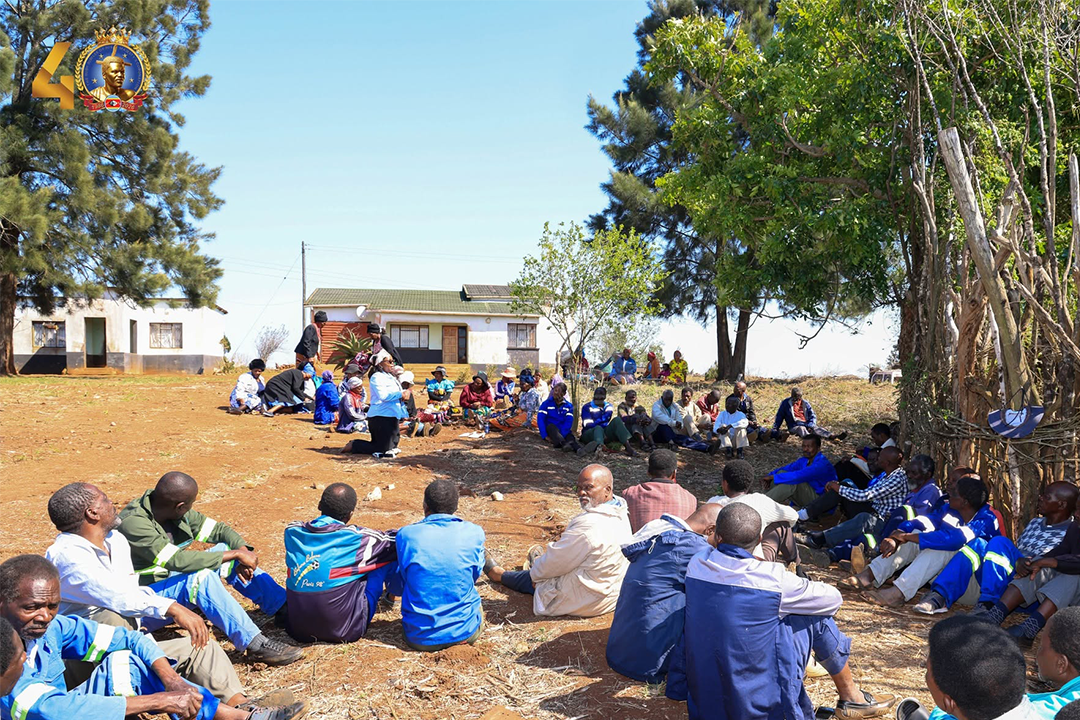
During a community engagement at Tikhuba, Eswatini National Trust Commission (ENTC) National Monument Officer Temahlubi Nkambule explained the project’s vision, objectives and potential benefits to residents.
The engagement opened discussions on how cultural heritage, including indigenous knowledge systems and heritage sites, could be transformed into sustainable tourism products without losing its cultural meaning and importance.
For residents, the possibilities extend beyond simply attracting visitors.
Cultural tourism could potentially create opportunities for local people to become tour guides, produce and sell traditional crafts, develop community-based tourism products and share indigenous knowledge with visitors interested in understanding the history and identity of Matsanjeni North.
Such opportunities could allow tourism spending to reach ordinary families while giving communities an economic reason to continue protecting important cultural resources.
The project has consequently generated anticipation within the Tikhuba community, particularly because it seeks to combine two important goals — preserving heritage for future generations and using that heritage to support development today.
At the heart of the initiative is the understanding that cultural tourism cannot thrive without the involvement of communities themselves.
Residents will therefore play an important role in identifying, documenting and promoting heritage resources, ensuring that the stories presented to visitors remain rooted in the experiences and knowledge of the people who have safeguarded them for generations.
The initiative could also strengthen community identity by increasing awareness of the historical and cultural importance of Matsanjeni North.
Instead of cultural knowledge gradually disappearing as generations change, documenting it could help ensure that young people have a stronger connection to their history and understand the value of protecting it.
ENTC has committed itself to continuing to work with communities across Matsanjeni North to ensure that heritage resources are documented, protected and responsibly shared, while exploring ways in which they can contribute to sustainable development.
For Tikhuba residents, this makes the project about much more than looking back at the past.
It is about finding ways to carry that past into the future — creating opportunities from culture, strengthening community pride and potentially opening new doors for local economic participation through sustainable tourism.


