



BY SIFISO NHLABATSI
MBABANE— Mbabane East Member of Parliament Welcome Dlamini has called for urgent action to dismantle the social, economic and healthcare barriers that continue to prevent young women from accessing HIV prevention and other essential health services.
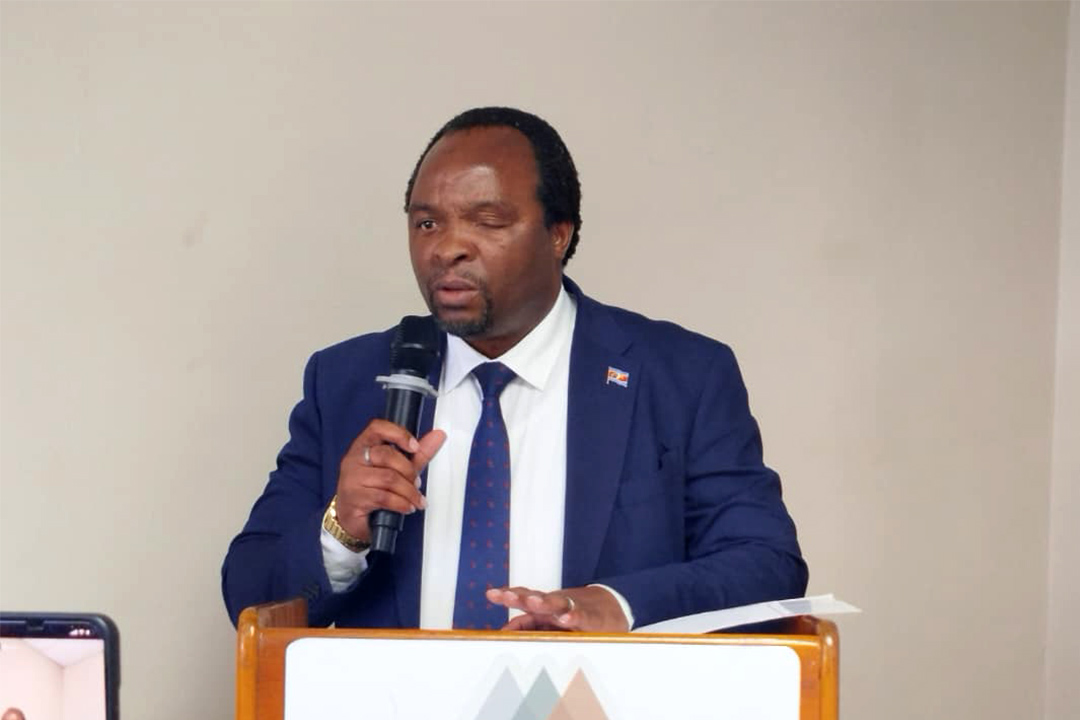
The Member of Parliament made the call during the dissemination of the findings of the 2026 Eswatini HIV Prevention Indaba at Mountain View on Friday, where he challenged government, traditional authorities and health stakeholders to ensure that the findings of the national dialogue translate into practical interventions.
He said the Indaba had exposed several vulnerabilities affecting young people, particularly young women, which could not be addressed through awareness campaigns alone.
Dlamini said more than 80 per cent of the people consulted during the Indaba were young people between the ages of 15 and 34, making the findings particularly relevant to the demographic that remains heavily affected by new HIV infections.

He said the findings showed that despite high levels of education and awareness about HIV, there remained a worrying gap between knowledge and behaviour.
According to Dlamini, many young people knew about HIV prevention methods but did not necessarily translate that knowledge into protective action, particularly in informal environments such as nightlife and entertainment spaces.
However, he said the country needed to look beyond individual behaviour and examine the circumstances that make it difficult for young women to protect themselves.
Dlamini identified distance, transport costs and stigma within healthcare facilities as some of the barriers confronting young women, particularly those studying at tertiary institutions or working in manufacturing sectors.
He said these barriers could result in young women delaying or completely avoiding healthcare services.
“Long travel distances to regional hospitals, high transport costs, and provider-induced stigma are actively preventing young women from accessing essential health services,” Dlamini said.
He said this was particularly concerning because young women had expressed a clear demand during the Indaba for healthcare services to be brought closer to them.
Dlamini called on the National Emergency Response Council on HIV and AIDS (NERCHA), the Ministry of Health and other relevant stakeholders to reconsider the current centralised model of healthcare delivery.
He proposed the expansion of mobile health units and youth-friendly services that could operate within tertiary institutions and communities.
The MP said healthcare services should be available where young women live, study and work rather than requiring them to travel long distances to regional hospitals.
He said bringing services closer to communities would help remove some of the practical barriers that prevent young women from accessing HIV testing, prevention services, counselling and other reproductive health interventions.
Dlamini’s call comes against the backdrop of an HIV prevention response that is increasingly required to respond to the realities young people face in their daily lives.
He said the availability of prevention tools alone was not enough if young people could not comfortably or conveniently access them.
He also raised concerns about the role of stigma, saying young people may avoid health facilities when they fear being judged by healthcare providers or members of their communities.
For Dlamini, dismantling barriers therefore requires changes not only within the health system but also within households and communities.
He said the Indaba had exposed a serious breakdown in communication between parents and young people, particularly around relationships, sex and reproductive health.
According to Dlamini, young people sometimes face hostility when they attempt to discuss these issues with their parents.
He warned that shutting down such conversations did not eliminate risky behaviour but could instead force young people to seek information from peers and other informal sources.
He called on Hhohho’s traditional authorities and chiefs to strengthen culturally grounded structures such as lisango for men and boys and liguma for women and girls.
Dlamini said these structures could provide platforms for structured youth mentorship and help communities create an environment where young people can openly discuss issues affecting their health and wellbeing.
He said the objective should be to replace fear and stigma with dialogue and guidance.
The MP said families remained an important first line of defence in HIV prevention, arguing that parents needed to be able to engage their children in honest and informed conversations.
He urged traditional leaders to take ownership of these platforms and ensure that they are not merely symbolic structures but are actively used to guide young people.
Dlamini said the barriers facing young women were not limited to HIV prevention.
He also highlighted challenges experienced by persons with disabilities when accessing healthcare services.
According to the MP, the Indaba found that people living with disabilities continued to face provider bias, communication barriers and breaches of medical confidentiality.
He said some persons with disabilities reported that confidential medical information had been shared with other people without their consent.
Dlamini described this as a serious violation of patients’ rights and public health ethics.
He called for greater accountability among healthcare providers, strict protection of patient confidentiality and disability-sensitive training for clinic staff.
He said a healthcare system that aims to protect vulnerable populations must ensure that patients are treated with dignity, regardless of their circumstances.
The MP further called for consideration of modern HIV prevention technologies, including long-acting injectable PrEP, as part of efforts to expand prevention options.
He said the country needed to consider prevention approaches that could respond to the different circumstances of young people and other vulnerable populations.
However, he stressed that introducing new technologies would not be enough unless the structural barriers surrounding access were addressed.
Dlamini said the HIV response needed to recognise the relationship between healthcare access, social structures, family communication and individual behaviour.
He said this required stronger coordination between government departments, traditional authorities, communities, healthcare providers and organisations involved in HIV programming.
The MP said the findings of the HIV Prevention Indaba should serve as a direct call to Hhohho’s leadership to act on the concerns raised by participants.
He said the region could no longer afford to treat HIV purely as a medical issue.
Instead, it should be viewed as a social, structural and cultural challenge requiring interventions across different sectors.
Dlamini said the priority should be to ensure that young women are not prevented from accessing prevention services simply because they live far from healthcare facilities, cannot afford transport or fear stigma from service providers.
He said services should be designed around the needs of the people they are intended to serve.
The MP’s call effectively places accessibility at the centre of the region’s HIV prevention response, with young women among those requiring urgent attention.
He said removing barriers would give young people a better opportunity to turn the knowledge they already possess into practical protective action.
The MP called on all stakeholders to move from the findings of the Indaba to implementation.
He said the success of Hhohho’s HIV response would ultimately depend on the ability of leaders and communities to address the vulnerabilities identified during the consultations.
He said the goal should be a healthcare system and community environment where young women can seek information and services without fear, excessive cost or unnecessary barriers.
#HIVPrevention #YoungWomen #BreakTheBarriers #Hhohho #NERCHA #HealthAccess #HIVEswatini #YouthHealth #Lisango #Liguma #PrEP


