
BY PHUMELELE GAMEDZE
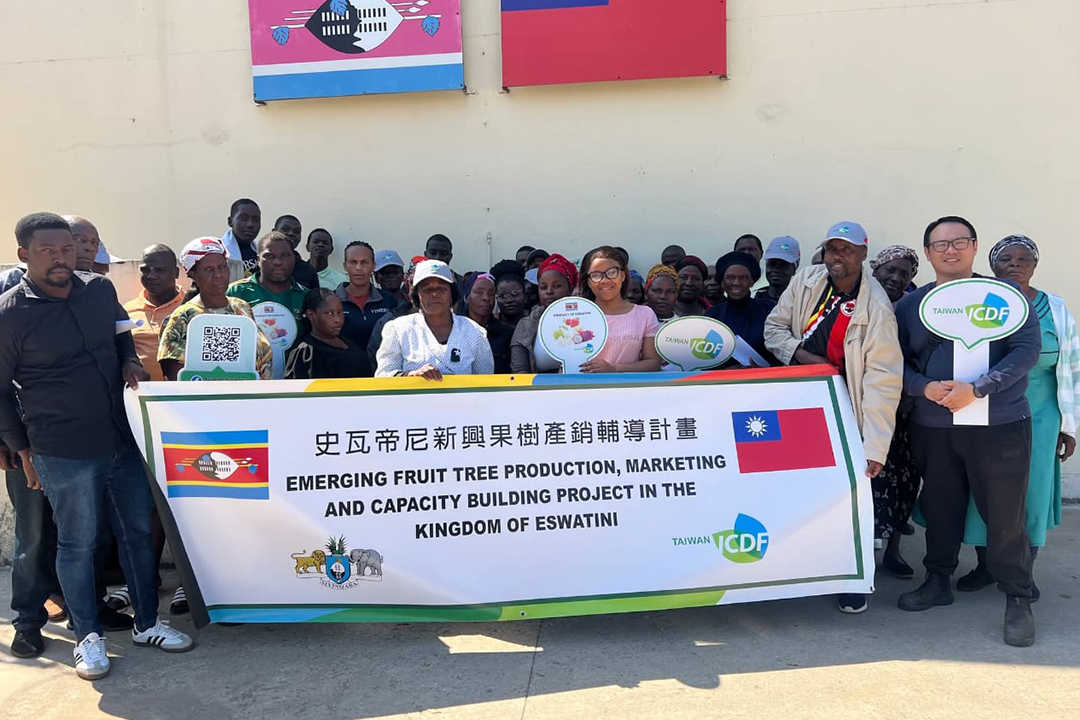
MBABANE — Forty two farmers from Ntintingane and Mkhovu have received specialised training in guava and dragon fruit post harvest handling, as Eswatini seeks to reduce fruit losses and improve access to supermarket markets.
The training was conducted under the Emerging Fruit Tree Production, Marketing and Capacity Building Project, with fruit expert Cheng Shi-Long leading the practical workshop on harvesting, cooling, packaging and quality management.
The initiative is aimed at helping local farmers meet the strict quality requirements of supermarkets and other reliable retail outlets, while addressing supply chain losses in Southern Africa estimated at between 5% and 40%.
During the training, farmers were introduced to the six-stage post-harvest value chain, which focuses on protecting fruit quality from the moment it is harvested until it reaches the consumer.

For guavas, farmers were advised to harvest according to market orders between 7am and 10am, while ensuring that harvesting crates are not stacked beyond three layers to prevent fruit from being damaged through compression.
Dragon fruit farmers were advised to avoid harvesting immediately after rainfall because of the risk of stem rot. Particular attention was also placed on protecting the fruit’s green bracts, which contribute to its appearance and market value.

Cold chain management formed another important part of the training. Farmers were encouraged to begin pre-cooling within four hours of harvesting to remove field heat and maintain appropriate temperatures while avoiding chilling damage.
According to the project information, proper refrigeration can significantly extend the commercial shelf life of dragon fruit, from approximately 5–7 days under normal conditions to 30–40 days when appropriate cold-chain practices are followed.
Packaging was also highlighted as a key tool for reducing losses during transportation. Farmers were introduced to protective foam net sleeves, ventilated cartons and appropriate weight limits to minimise bruising and other damage.
The participating farmers actively engaged with the training, asking questions and sharing challenges they experience with fruit storage, transportation and marketing.
The project says adopting standardised post-harvest practices and cold-chain technologies could help farmers reduce losses while creating the potential for more than 35% growth in net income.
Beyond improving production, the training represents a step towards connecting Eswatini’s emerging fruit farmers with more dependable and higher-value markets.
By strengthening farmers’ skills in handling, packaging and preservation, the project aims to ensure that quality fruit produced in rural communities can travel further, remain marketable for longer and compete for space on supermarket shelves.
#EswatiniFarmers #Agriculture #FruitFarming #EswatiniPositiveNews