



BY PHUMELELE GAMEDZE
MBABANE – Eswatini is strengthening efforts to ensure that families, farmers and businesses are better protected from the devastating effects of drought by shifting the focus from emergency response to early preparation and long-term water security.
Umvalo Wesive, the University of Eswatini (UNESWA), World Bank and INMACOM have joined forces to assess drought risks and preparedness across the Incomati, Maputo and Mbuluzi transboundary river basins.
The initiative comes at a time when reliable water supplies have become increasingly important for households, agriculture, businesses and communities whose livelihoods depend heavily on rivers and other water sources.
Through the Drought Risk and Resilience Assessment (DRRA), stakeholders want to better understand where the greatest risks lie, which communities and sectors are most vulnerable and what investments should be prioritised before severe drought conditions strike.

The partners recently convened an inception workshop bringing together stakeholders involved in water management, disaster preparedness and development.
At the centre of the discussions was one critical question: how can Eswatini and its partners act earlier to protect people, livelihoods and national development when drought threatens?
The assessment is expected to generate stronger evidence on drought risks, vulnerabilities and existing levels of preparedness while identifying practical interventions that could strengthen resilience over the long term.
For ordinary families and farmers, the importance of such preparation goes beyond simply ensuring that water continues flowing from taps.
Drought can reduce crop production, threaten livestock, weaken household incomes and place pressure on businesses and the wider economy. Communities that depend heavily on agriculture are particularly vulnerable when rains fail and water sources begin drying up.
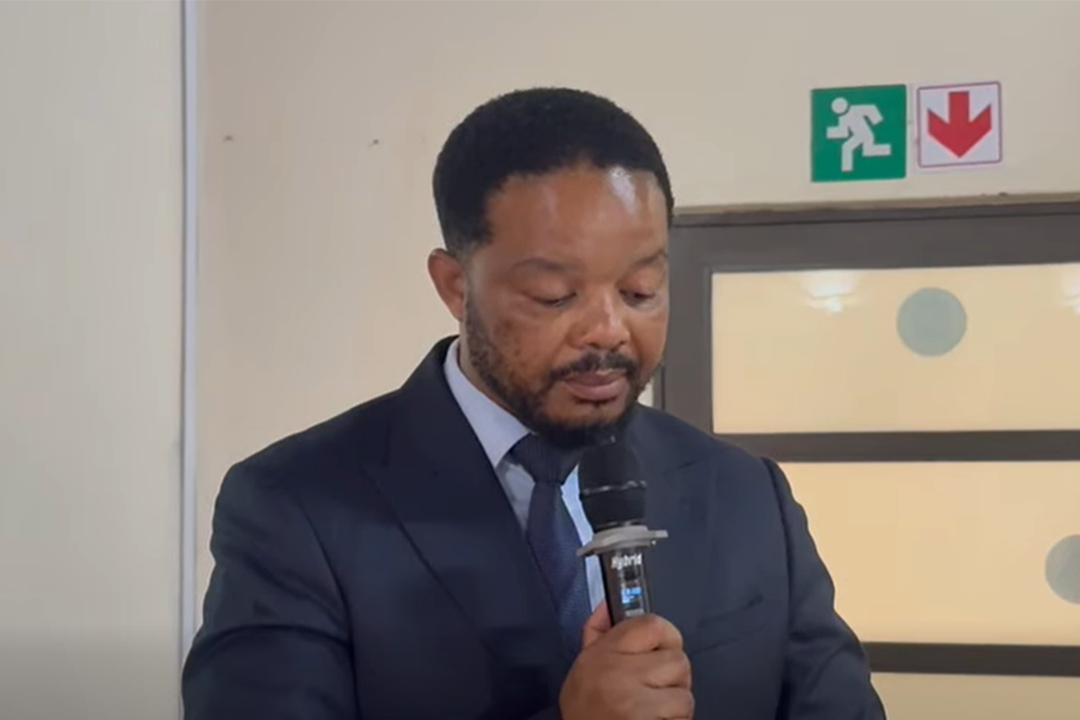
Opening the workshop, the National Disaster Risk Management Agency (NDRMA) Chief Executive Officer called for a fundamental shift in the way drought is managed.
The CEO stressed that stakeholders needed to move away from waiting until the effects of drought became severe and instead strengthen preparedness, understand risks earlier, act sooner and make strategic investments in long-term resilience.
Such an approach could help reduce the human and economic cost of drought by allowing authorities and communities to put protective measures in place before water shortages escalate into an emergency.
The workshop also created a platform for stakeholders to improve coordination and develop a common understanding of drought resilience across the three river basins.
This cooperation is particularly important because the Incomati, Maputo and Mbuluzi rivers cross national borders. Actions taken upstream can have consequences for communities, farmers and ecosystems elsewhere, making joint planning and information-sharing essential.
NDRMA commended the Eswatini team and development partners involved in the initiative, noting that the real success of the assessment would ultimately be measured by whether it improves preparedness, strengthens cooperation and produces better responses to drought risks.
The agency also committed to continuing its collaboration with stakeholders throughout the process, with the broader objective of protecting lives, livelihoods and development.
More than a technical study, the DRRA could therefore become an important planning tool for the country — helping Eswatini understand drought threats earlier, make smarter investments and strengthen water security before communities find themselves facing another crisis.