



By NOXOLO DLAMINI
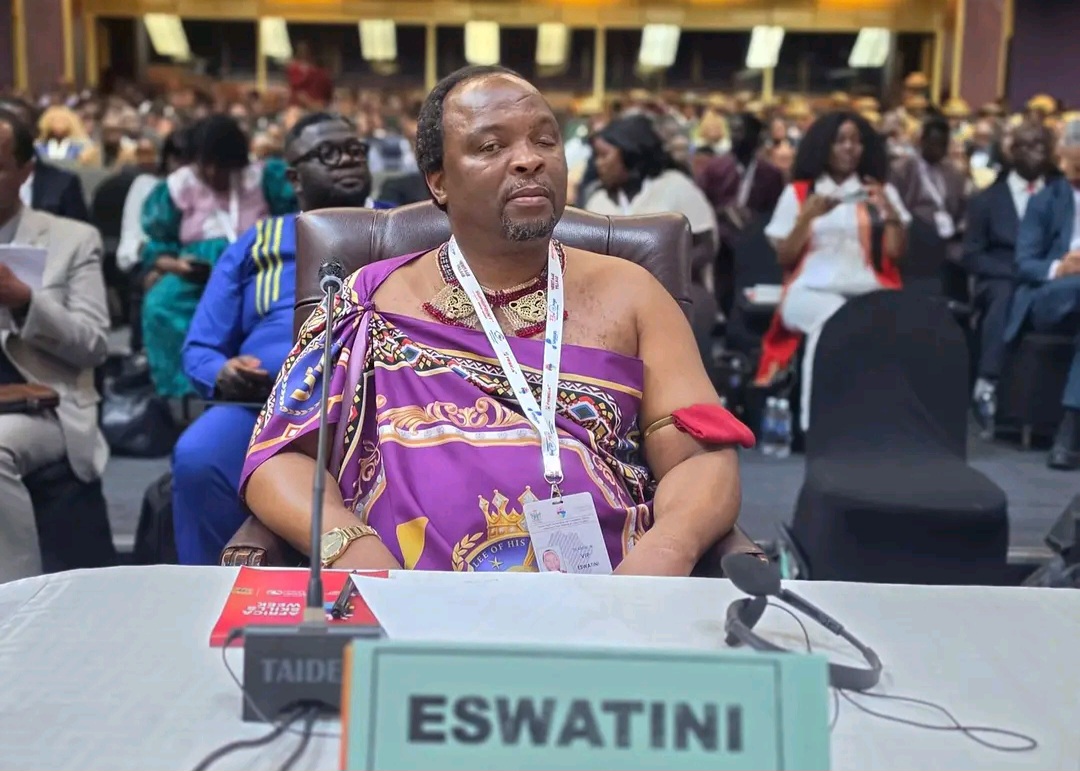
ZIMBABWE – Mbabane East Member of Parliament Welcome Dlamini has called on African legislatures to translate continental education and technical and vocational education and training (TVET) strategies into enforceable national laws, backed by adequate funding and effective oversight.
Dlamini, who is leading the delegation of the Pan-African Parliament Committee on Education, Tourism, Culture and Human Rights as its Chairperson, made the call during Africa Skills Week 2026, which will run up until Friday. The event was officially opened today by Zimbabwean President Emmerson Mnangagwa.
Speaking under the theme “Parliamentary Voices,” Dlamini emphasized that national parliaments had a critical responsibility to ensure that African Union education commitments resulted in tangible improvements for young people.
“Strategies do not educate a single young person. Laws and budgets do,” he said.

Dlamini said parliaments should take the lead in incorporating continental commitments into national legislation, approving the resources required for implementation and monitoring whether education policies were achieving their intended objectives.
He was addressing the implementation of the African Union’s Continental Education Strategy for Africa (CESA) 2026–2035 and the Continental TVET Strategy, which provide frameworks for strengthening education and skills development across the continent.
The MP said legislators should begin by examining existing national laws to identify gaps between domestic legislation and the continental frameworks. He also urged parliaments to prioritise education and TVET bills, consult relevant stakeholders during drafting and ensure that new laws were linked to multi-year budget commitments.
He further called for legislation that establishes clear reporting requirements, measurable performance indicators and regular parliamentary reviews to strengthen accountability.
Reforming technical and vocational education
On technical and vocational education, Dlamini advocated reforms that would expand access to skills training for young people, women, persons with disabilities and communities in rural areas.
He said training systems should respond to labour-market demands, with industry representatives participating in institutional governance and curricula focusing on practical competencies.
He also called for stronger accreditation systems for public and private training providers, improved skills forecasting and dedicated funding mechanisms to support vocational education.
According to Dlamini, these reforms would help establish modern TVET systems capable of preparing young people for employment and responding to the changing needs of African economies.
Eswatini’s education reform experience
Reflecting on Eswatini’s education reforms, Dlamini highlighted the country’s efforts to strengthen its TVET and human-resource development frameworks.
He said a UNESCO-supported TVET Policy Review conducted between 2021 and 2022 identified gaps in coordination, assessment, quality assurance and financing, helping lay the foundation for the National TVET Policy 2022–2027.
He also referenced the National Human Resource Development Policy 2024–2030, which he said was backed by an E1.2 billion investment and a new multi-sectoral council.
Another development highlighted in his address was the passage of the Sebenta National Institute Act 2026 by Parliament.
Dlamini said the legislation provides a dedicated legal framework for the institution, which has spent more than six decades providing literacy, alternative education and vocational skills.
He explained that the Act strengthens the institute’s legal standing and quality standards while opening opportunities for the recognition of prior learning, allowing people to receive recognition for skills acquired outside formal education systems.
He identified five lessons from Eswatini’s experience: the importance of a clear legal framework for institutions, recognition of prior learning, coordination between government ministries, enforceable quality standards and continued parliamentary oversight after legislation has been passed.
He stressed that Parliament’s work should not end when a Bill becomes law, saying portfolio committees must continue monitoring regulations, budget implementation and institutional performance.
Push for harmonisation across Africa
Turning to regional cooperation, Dlamini urged African countries to work towards mutual recognition of qualifications across Regional Economic Communities and the continent.
He proposed the development of model education and TVET legislation that countries could adapt to their national circumstances, alongside stronger networks connecting parliamentary education committees.
He also called for common continental skills and employment indicators to enable countries to measure progress and compare results.
Dlamini said the Pan-African Parliament could play a greater role by requesting regular reports from national legislatures on the implementation of CESA and the Continental TVET Strategy.
He recommended that national parliaments complete legislative gap analyses within the next 12 months, prioritise TVET coordination laws and qualifications frameworks, incorporate lifelong learning and recognition of prior learning into legislation, and strengthen the capacity of parliamentary committees.
For the Pan-African Parliament, he proposed model education and TVET bills, a standing network of education portfolio committees and annual progress reports from national parliaments.
In his closing remarks, Dlamini said Africa’s ability to develop a skilled workforce would depend on the decisions taken by national legislatures and the effectiveness with which those decisions were implemented.
“The young people of this continent are watching. They do not need more declarations. They need laws that work, institutions that deliver, and parliamentarians who refuse to be spectators,” he said.
#EswatiniPositiveNews #AfricaSkillsWeek2026 #PanAfricanParliament #EducationReform #TVET #YouthSkillsDevelopment #HumanCapitalDevelopment