



BY SIFISO NHLABATSI
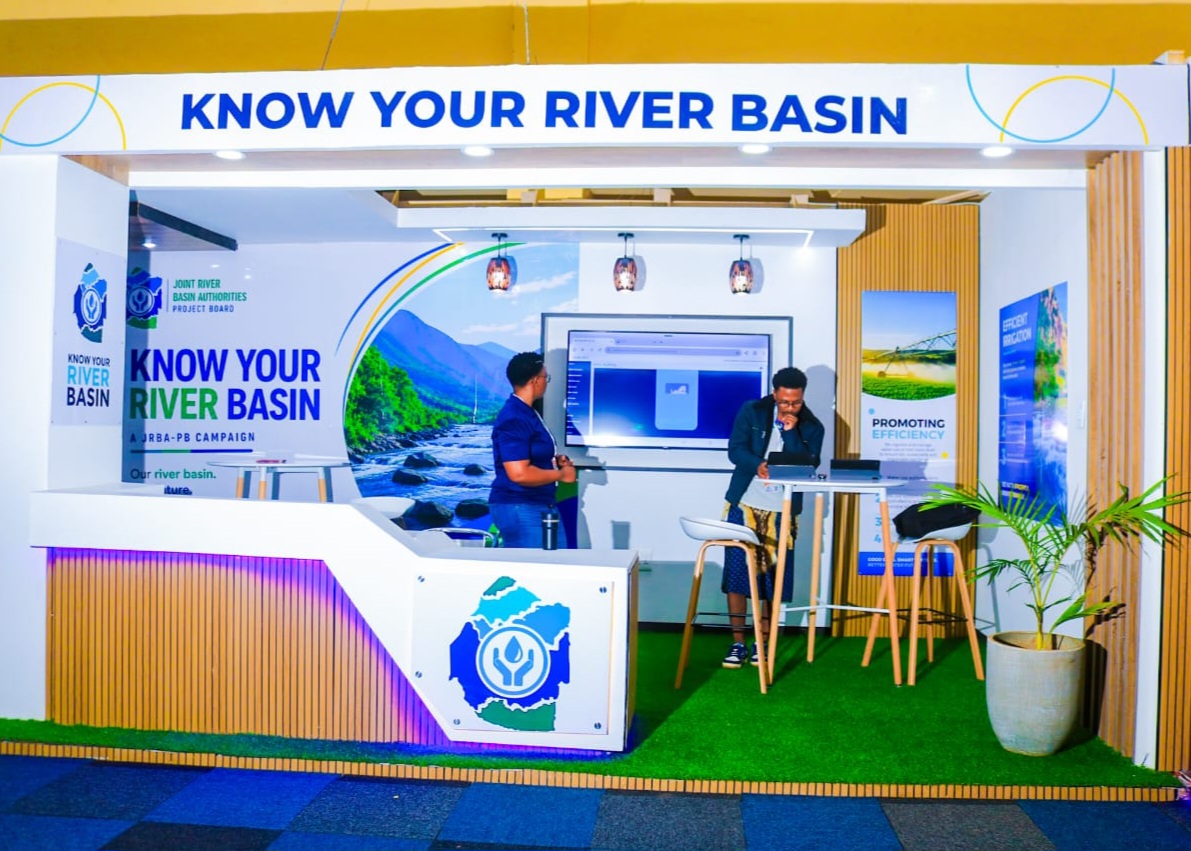
MANZINI – Real-time river monitoring, digital water governance and data-driven planning are set to take centre stage as the Joint River Basin Authorities – Project Board (JRBA-PB) showcases how smart water management can unlock opportunities for Eswatini’s green economy at the 2026 Eswatini International Trade Fair (EITF).
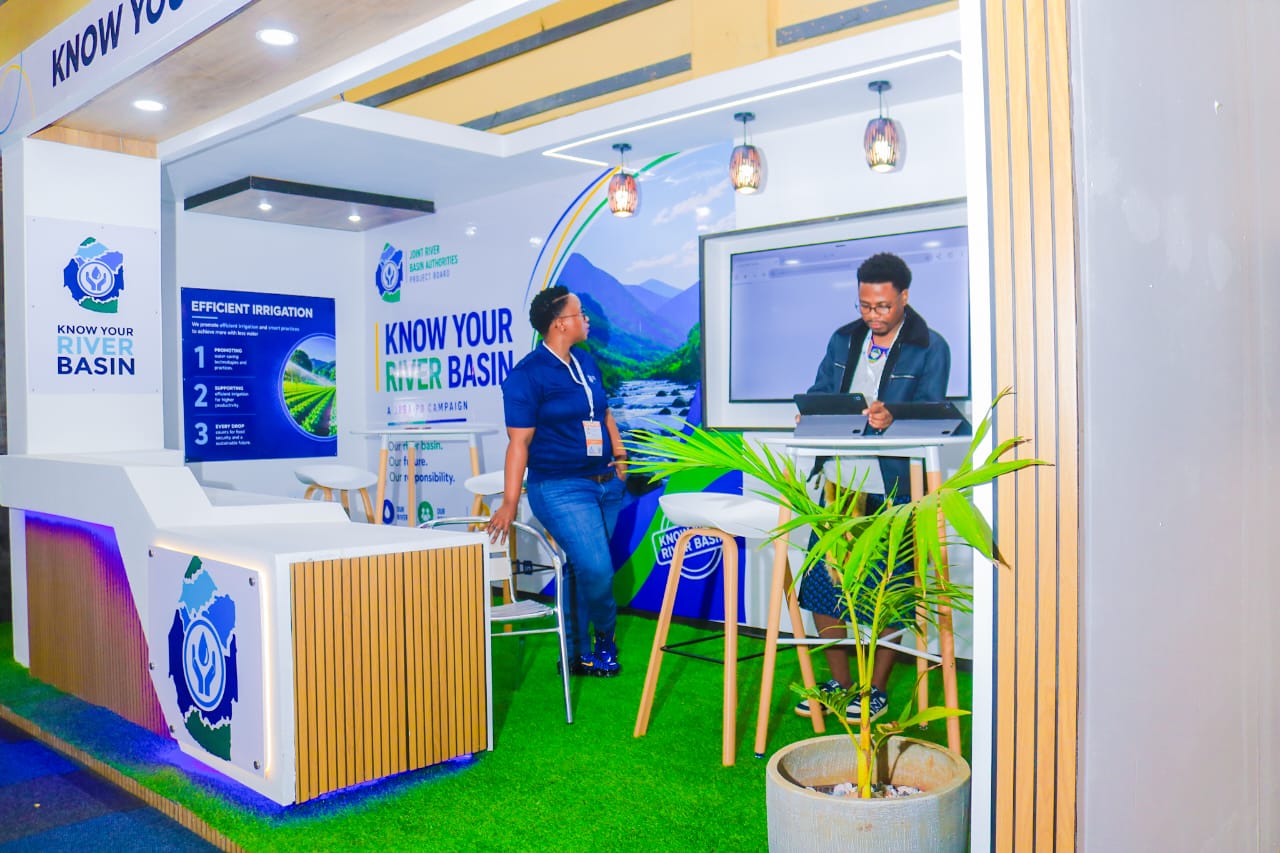
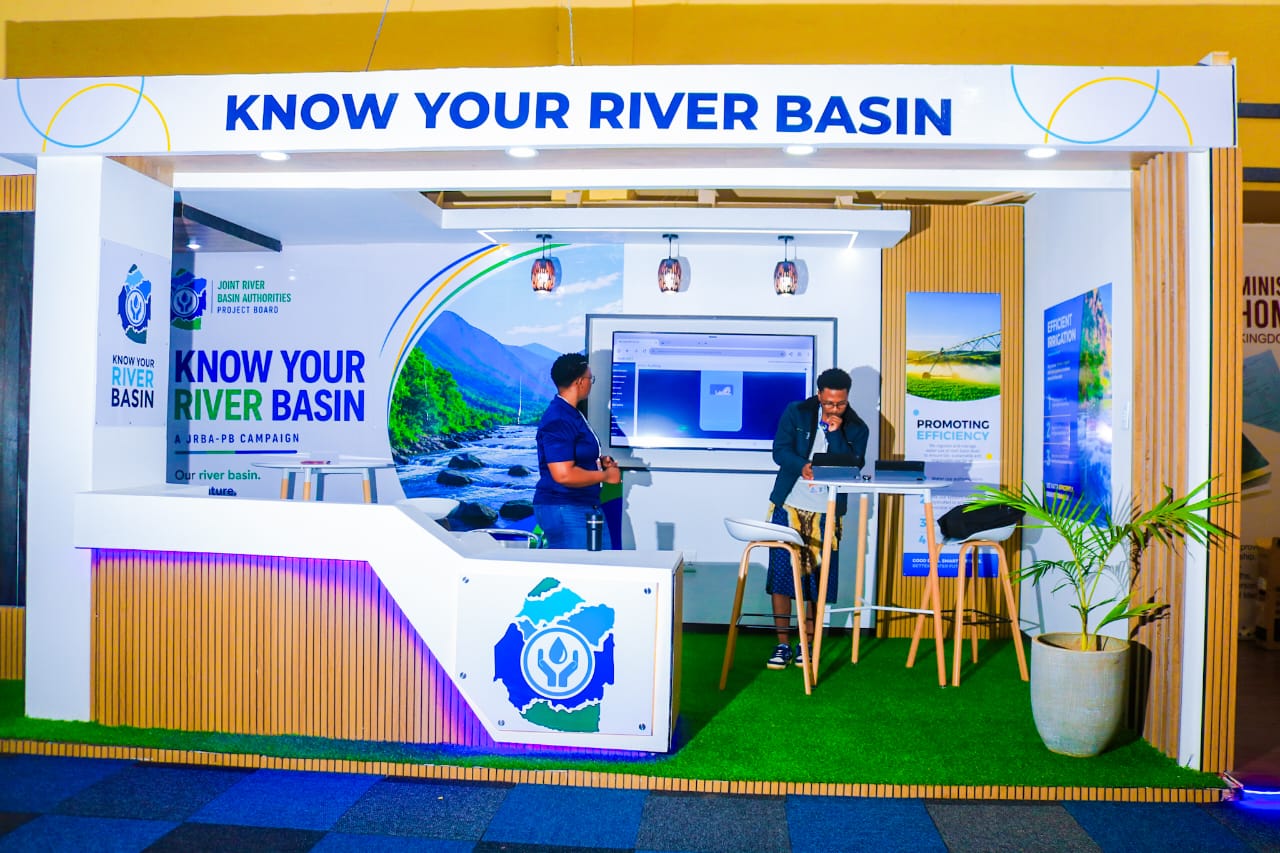
Under the exhibition concept, “Smart Water Management for a Green Economy,” JRBA-PB will demonstrate a range of innovative technologies, information systems and planning tools designed to improve the management, allocation and protection of the country’s water resources.
The exhibition aligns with the 2026 EITF theme, “Unlocking Green Economy Opportunities for Sustainable Trade Promotion,” and will highlight water as one of the most critical resources underpinning sustainable economic growth, investment and climate resilience.
At the heart of the showcase will be JRBA-PB’s growing use of real-time monitoring and digital systems to support smarter decisions on how Eswatini’s water resources are managed.

Among the key attractions will be a live demonstration of the HydroNET platform, which is supported by 15 telemetric monitoring stations installed across the country’s river systems.
The technology provides real-time information on river flows and supports water resources planning by allowing users to monitor rainfall data, river conditions, dam levels and operations, as well as forecasting and early warning capabilities.
This information is particularly important as Eswatini faces growing pressure on its water resources from climate variability, changing rainfall patterns and increasing demand from households, agriculture, industry and other economic sectors.
By making water information available in real time, JRBA-PB aims to demonstrate how technology can strengthen climate resilience while enabling better planning for future economic growth.
Visitors to the exhibition will also get an opportunity to explore the National Water Use Database and interactive dashboard, developed through a national water use survey covering the Lomati, Komati, Mbuluzi and Ngwavuma River Basins.
The system provides information on water use across sectors and river basins, including irrigated areas, crop types, water sources and abstraction volumes.
Interactive dashboards will allow visitors to see water use trends and gain a clearer understanding of how the country’s available water resources support different sectors of the economy.
JRBA-PB believes such data is critical in ensuring that economic expansion does not come at the expense of water security.
The organisation will also showcase how water allocation planning and abstraction permits can support investment and productive economic activity while protecting rivers and other water resources from over-abstraction.
Through interactive maps, visitors will be able to see permitted water users within different river basins and better understand the relationship between water allocation and activities such as agriculture, domestic water supply and infrastructure development.
The message is that sustainable economic growth can only be achieved where water resources are properly understood, monitored and allocated.
Another major feature of the exhibition will be the SIRHA Water Resources Information Management System, which represents a significant step towards the digital transformation of water governance.
The system will demonstrate how digital technology can improve the management of water resource information, water users, permits and allocation records.
Visitors will be taken through the permit administration process, from application and review to verification, approval, monitoring and compliance.
Spatial mapping tools will further demonstrate how digital systems can provide a clearer picture of water abstractions, water users and river basin information.
The technology is expected to promote greater efficiency, transparency and accountability in water resources management while supporting faster, data-driven decision-making.
Beyond technology, the exhibition will also focus on how Eswatini is planning for future water demand through the development of River Basin Management Plans.
JRBA-PB will showcase progress on the country’s first such plans for the Ngwavuma-Pongola and Mbuluzi Basins.
The plans identify water resource challenges, assess future demands and prioritise strategic interventions while incorporating the views of stakeholders.
Visitors will be able to learn about the situation analyses, key strategic issues and stakeholder consultation processes behind the basin planning framework.
The organisation will also highlight climate resilience and investment initiatives, including the Blue Deal Project, AU-AIP Readiness Project, Green Climate Fund Readiness Project and Global Environment Facility initiatives.
An investment opportunity component will further draw attention to infrastructure needs that could strengthen Eswatini’s water security, including the expansion of river gauging stations and improved water metering for permitted water users.
JRBA-PB’s participation will also serve as an activation platform for its “Know Your River Basin” campaign, which seeks to improve public understanding of the country’s river basins and their importance to livelihoods, economic development, environmental sustainability and climate resilience.
The campaign will encourage members of the public to understand where their water comes from, how their activities affect water resources and why protecting catchments is essential for future generations.
By bringing together real-time monitoring, digital governance, water-use data and basin planning under one exhibition, JRBA-PB is positioning smart water management as a key pillar of Eswatini’s transition towards a greener and more sustainable economy.
The organisation’s central message is unlocking green economy opportunities will require more than investment alone. It will require reliable water information, innovative technology, transparent governance and long-term planning to ensure that Eswatini’s water resources continue supporting people, businesses and economic development for generations to come.
#EITF2026 #SmartWaterManagement #GreenEconomy #KnowYourRiverBasin #WaterIsLife #ClimateResilience #SustainableDevelopment #JRBA