
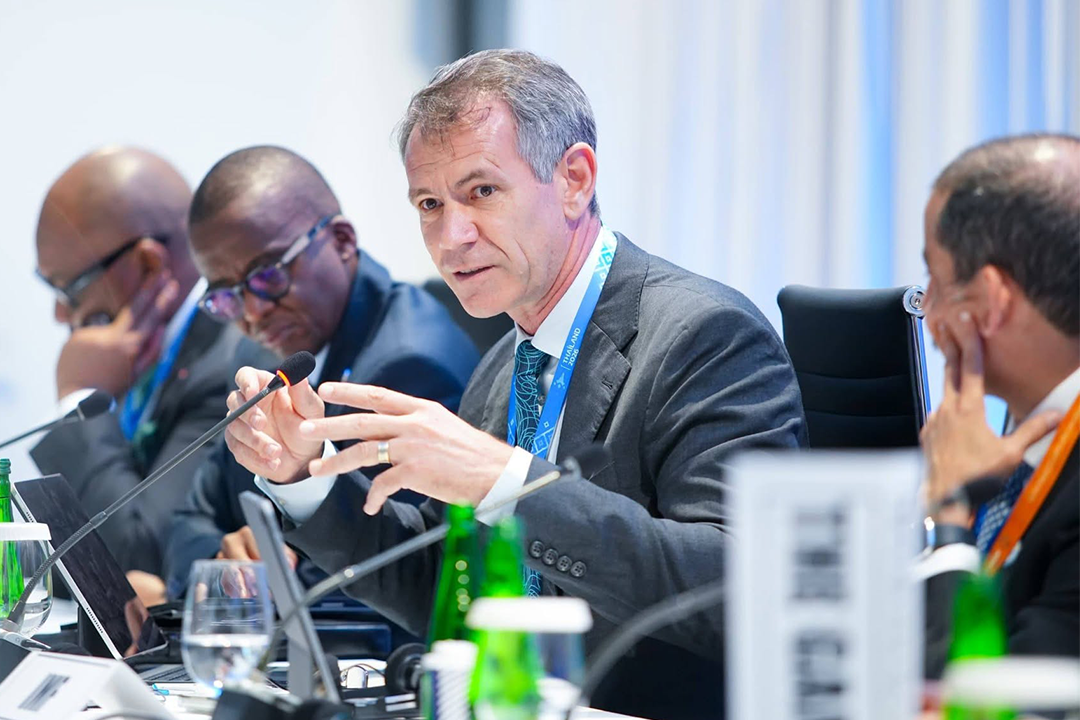




- Finance Minister takes part in high-level talks aimed at helping African countries raise money for development instead of relying heavily on outside financial institutions.
BY MBONGENI NDLELA
BANGKOK, THAILAND – Africa must move beyond years of discussions about establishing its own financial institutions and concentrate on putting those plans into action.
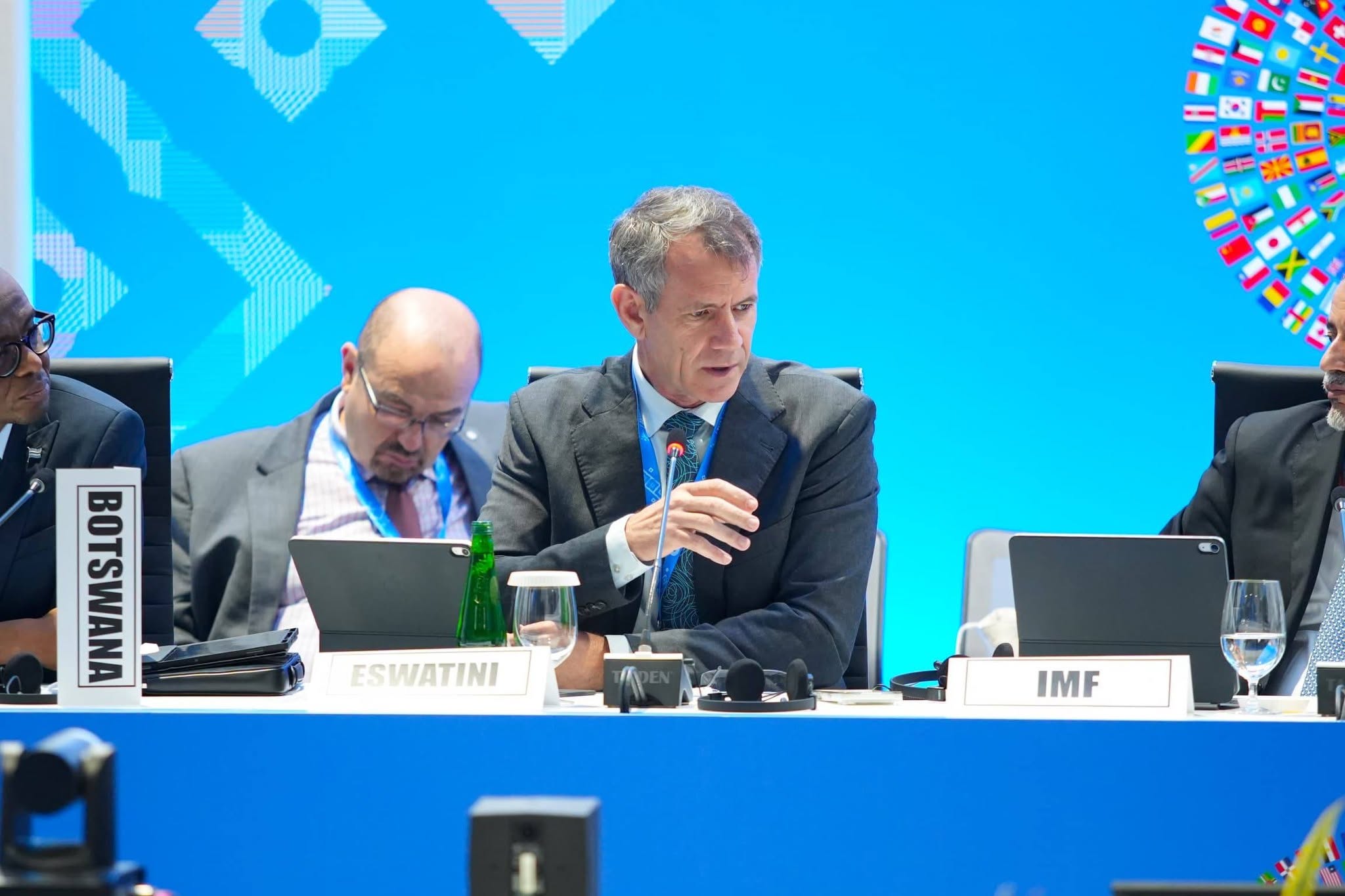
This was the central issue under discussion when Eswatini’s Minister of Finance, Neal Rijkenberg, addressed a high-level African Union Commission (AUC) gathering in Bangkok, Thailand.
Rijkenberg delivered his remarks in his capacity as Chairperson of the African Union Specialised Technical Committee on Finance, Monetary Affairs, Economic Planning and Integration.
The meeting focused on establishing three financial institutions that would give African countries additional ways to raise money for development, support businesses and strengthen their economies.

These are the African Investment Bank, African Monetary Fund and African Central Bank.
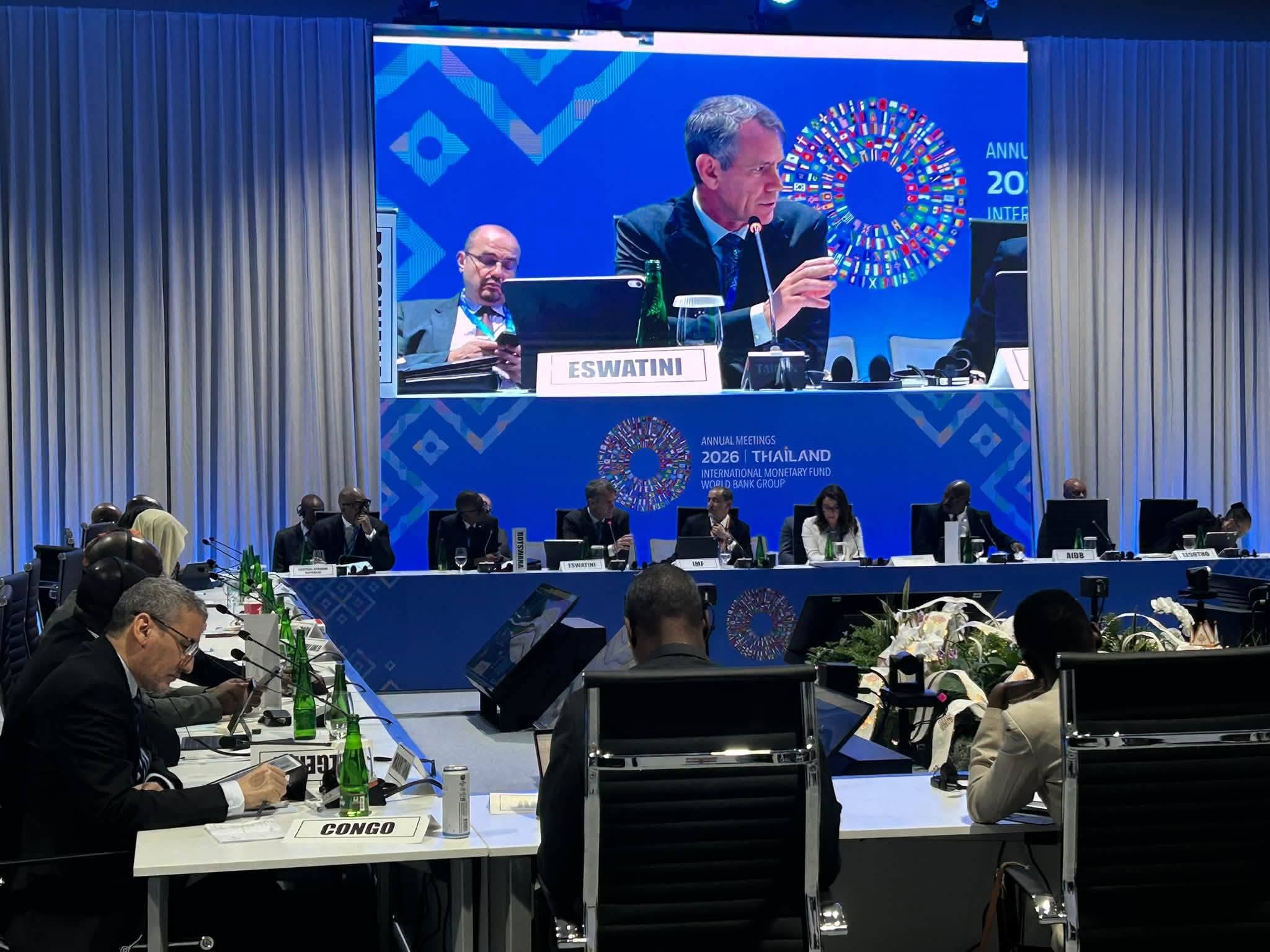
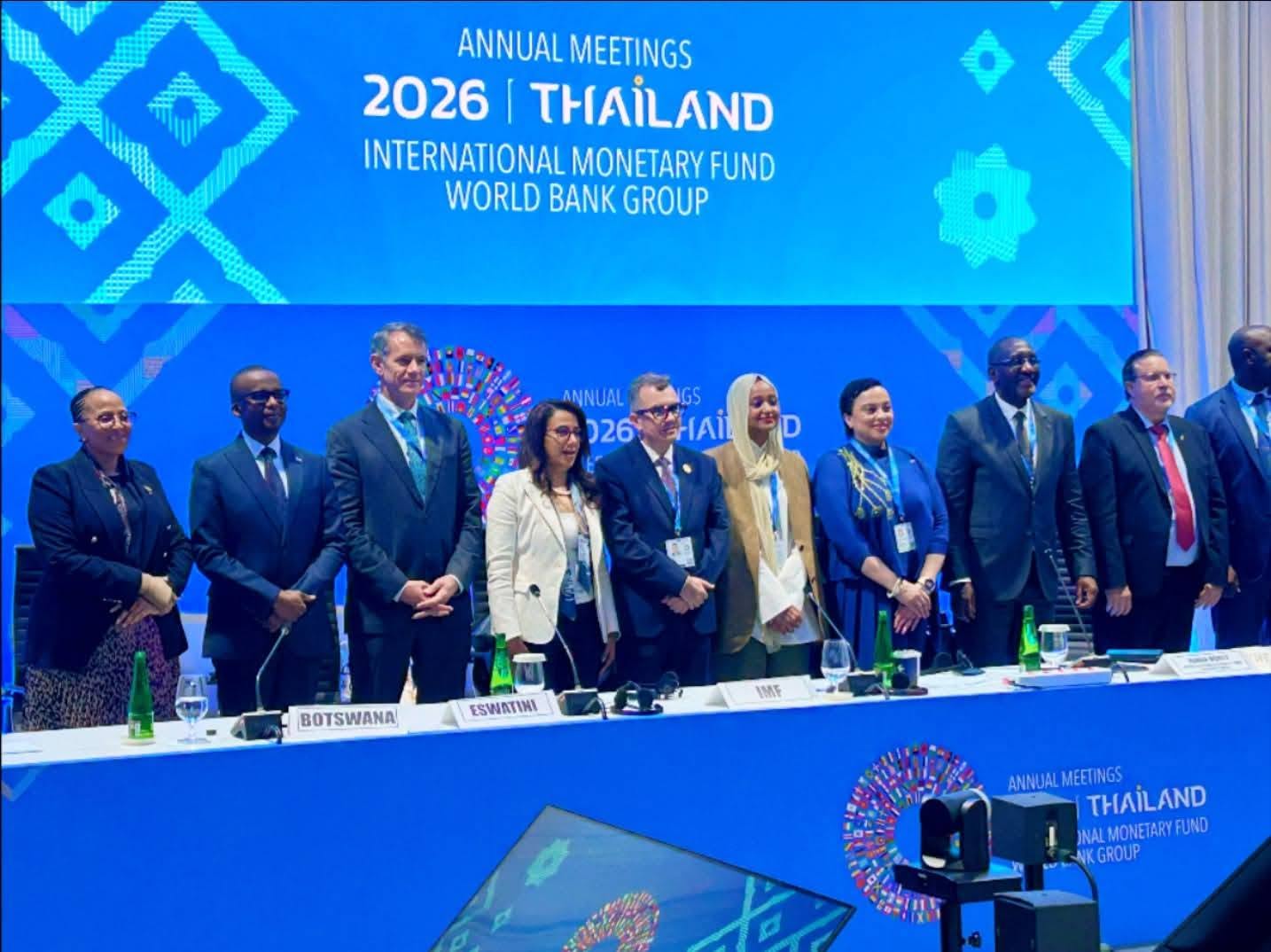
The discussions took place on the sidelines of the 2026 Annual Meetings of the International Monetary Fund (IMF) and World Bank Group, which are being held in Bangkok from October 12 to 18.
The African Union Commission organised the event under the theme “From Political Commitment to Implementation: Accelerating the Operationalisation of the African Union Financial Institutions.”
The theme reflects the challenge facing African governments after years of agreements on establishing financial institutions that are yet to become fully operational.
Rijkenberg has previously spoken about the importance of African countries having greater control over how they finance development.
Addressing an African Union ministerial consultation on debt on October 9, 2025, he spoke of a continent that should be “capable of financing its own development priorities.”
He also expressed the need for African governments to ensure that “debt becomes a tool for transformation rather than a burden of constraint.”
Those remarks, published by the African Union, were made during discussions on the Common African Position on Debt, a separate initiative intended to improve Africa’s approach to borrowing and debt management.
The current discussions in Bangkok concern the establishment of institutions that could support that broader ambition.
One of the proposed institutions is the African Investment Bank, which is intended to help African countries raise funds for development projects.
The bank would mobilise money from financial markets within Africa and internationally to support investment in member states.
Such financing could support the construction of roads, electricity infrastructure, factories, agricultural projects and other investments considered important for economic development.
The institution is also intended to support private businesses seeking capital to expand their operations.
For smaller economies such as Eswatini, additional financing institutions could eventually provide more options for funding development projects.
However, access to such financing would depend on the bank becoming operational and the arrangements agreed upon by member states.
The second institution, the African Monetary Fund, would concentrate on helping African countries facing economic and financial difficulties.
It is intended to provide financial assistance to member states, improve cooperation between their monetary authorities and support economic policy coordination.
The fund would also help African governments monitor economic developments and respond to financial challenges.
The African Union has already adopted the protocol establishing the fund, although further ratifications are required before it can come into operation.
The African Central Bank is another institution being planned by the continental organisation.
Its proposed responsibilities include coordinating monetary policies and eventually managing a common African currency.
According to the African Union, the three institutions are part of its long-term plans to strengthen economic cooperation and increase Africa’s ability to mobilise financial resources.
The plans are also connected to Agenda 2063, the continental development programme through which African countries seek to expand trade, improve infrastructure and create economic opportunities.
Rijkenberg has previously encouraged African governments to work together when addressing the continent’s financial challenges.
Speaking during the October 2025 IMF and World Bank Annual Meetings, he said: “This is Africa’s opportunity to take its destiny into its own hands.”
He also emphasised the importance of countries presenting a common position when dealing with international financial institutions.
“Our unified voice is our greatest strength,” he said during those earlier engagements.
Those previous remarks provide background to his participation in the latest African Union discussions.
The Bangkok meeting comes as governments across Africa continue looking for ways to finance major development projects while managing public debt and other economic pressures.
Many countries require substantial funding to improve roads, electricity supplies, water infrastructure, hospitals and schools.
Businesses also need access to affordable financing to expand production, employ more workers and enter new markets.
The proposed African financial institutions could provide additional options alongside existing development banks and international lenders.
For Eswatini, the discussions are particularly relevant as the country continues pursuing investment in infrastructure, agriculture, manufacturing and other sectors.
Greater access to development financing could help support economic activities and business expansion, although the eventual benefits would depend on how the proposed institutions operate.
Another important consideration is trade between African countries.
The African Continental Free Trade Area seeks to make it easier for businesses to trade across borders.
However, businesses require financial services, investment and reliable payment arrangements to take advantage of opportunities in other markets.
The proposed institutions form part of the African Union’s wider plans to strengthen the continent’s financial system and support economic integration.
Progress has already been made towards establishing the African Central Bank.
In 2026, African Union heads of state and government adopted the establishment of the African Monetary Institute, which is intended to prepare the groundwork for closer monetary cooperation.
The institute is expected to help African countries coordinate economic policies and undertake preparations for a future continental central bank.
Rijkenberg participated in an African Union engagement in Washington in April 2026 that focused on preparations for the institute.
The engagement brought together African Union officials and monetary authorities to discuss the institution’s proposed responsibilities and the work required before it becomes operational.
His participation in Bangkok follows those earlier discussions.
As Chairperson of the African Union’s finance committee, Rijkenberg plays a role in continental consultations involving finance ministers and other economic policymakers.
The committee considers matters relating to financial policy, economic planning, monetary cooperation and integration among African Union member states.
Its recommendations form part of the continental organisation’s decision-making processes.
The ongoing IMF and World Bank Annual Meetings have also provided Eswatini with an opportunity to engage international financial institutions on development financing and economic priorities.
The African Union Commission, meanwhile, has identified development financing, private investment, job creation and regional integration among the issues being discussed with its international partners.
In a statement issued on October 13, 2026, the Commission said it was seeking stronger partnerships and increased investment to support Africa’s long-term development goals.
Although the proposed African financial institutions have received political support, their establishment still requires further work by member states.
African governments must complete the necessary legal processes, agree on funding arrangements and establish structures through which the institutions will operate.
The African Union has not confirmed a single date by which all three institutions will be fully operational.
For Eswatini, Rijkenberg’s involvement places the country within the discussions shaping the future of Africa’s financial institutions.
The outcome will depend on how quickly African governments can complete the outstanding requirements and establish institutions capable of supporting economic development across the continent.


