
BY SIPHOSETHU MABUZA
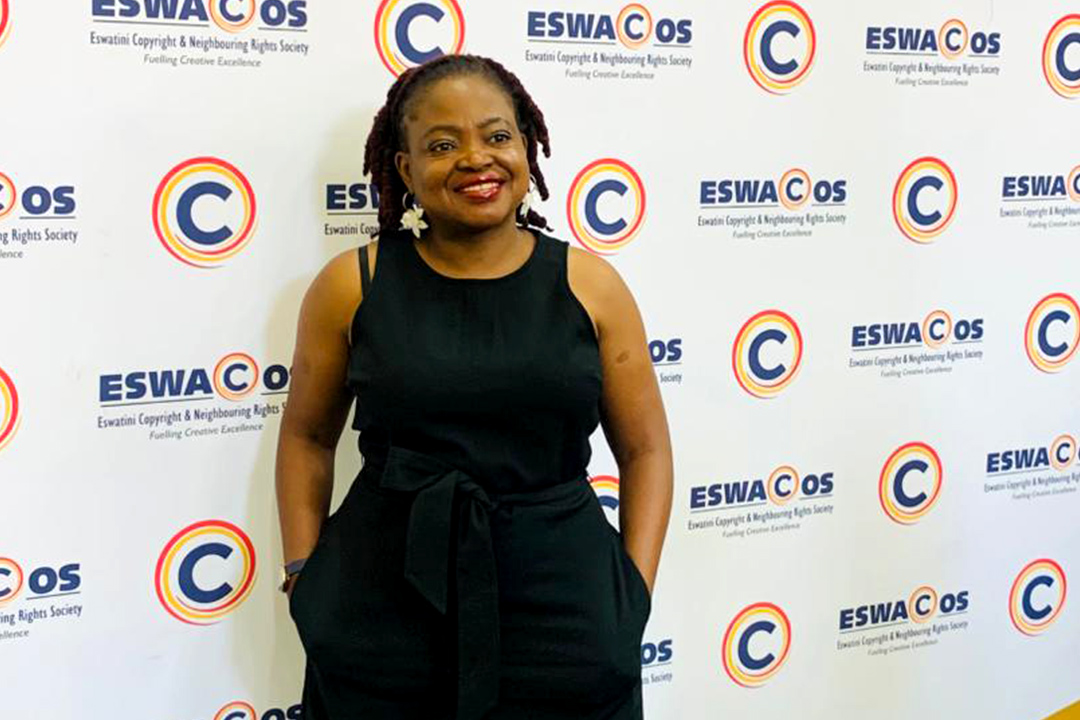
MANZINI– From childhood storytelling in Bulawayo to seeing her written work move towards the screen, acclaimed author, storyteller and screenwriter Sue Nyathi has had a long relationship with the stories she creates.
Nyathi shared her journey during a fireside conversation titled “From Page to Screen” at the ESWACOS Business Seminar, exploring how stories move from creation to adaptation while unpacking copyright, ownership and the commercial opportunities that can come with intellectual property.

Looking back, Nyathi said storytelling was part of her childhood, even before she considered writing a career. “I always knew I would be a storyteller even in my playtime,” she said, recalling how she would turn reeds into characters when playing, particularly after attending the reed dance.
Her writing became more deliberate during her teenage years. By around 13, Nyathi said she was already passionate about writing, with her classmates becoming the first audience for her stories.

However, pursuing writing professionally was not always encouraged. Coming from a generation of parents who viewed professions such as teaching, medicine, law and accounting as safer career paths, Nyathi initially went into finance and business. Writing, however, remained part of her journey.
Her transition from the page to screen began when a colleague approached her about adapting one of her books for film. Despite having no screenwriting experience, she was encouraged to take on the challenge because of the visual nature of her writing and dialogue.
The pair worked on an adaptation, with Nyathi learning screenwriting along the way. Although the first draft did not move forward and subsequent attempts also stalled, the experience opened another chapter in her storytelling career.
Nyathi also explained the importance of understanding options and rights when a book is being considered for adaptation. An option, she explained, gives a production company exclusive time to develop a work, often allowing around 12 to 18 months to work on a screenplay or secure funding.
For writers, understanding the different rights attached to their work can therefore be just as important as creating the story itself. Her journey offered creatives at the seminar a reminder that a story can have a life beyond the book but understanding ownership, contracts and commercial rights is key to ensuring creators remain part of that journey.
#SueNyathi #FromPageToScreen #ESWACOS #ESWACOSBusinessSeminar #EITF2026 #ThePolygamist #Storytelling #Screenwriting #Copyright #IntellectualProperty #CreativeIndustry #CreativeEconomy #AfricanStories #EswatiniCreatives #BookToScreen #FilmAndTelevision #Writers #ArtsAndCulture