



BY GCWALISILE MHLABANE
MANZINI– For many visitors walking through the Eswatini International Trade Fair (EITF) 2026, Hall 2 is offering something that could potentially make a lasting difference long after the exhibitions have closed – practical information to help them protect their health and make informed decisions about HIV prevention and treatment.
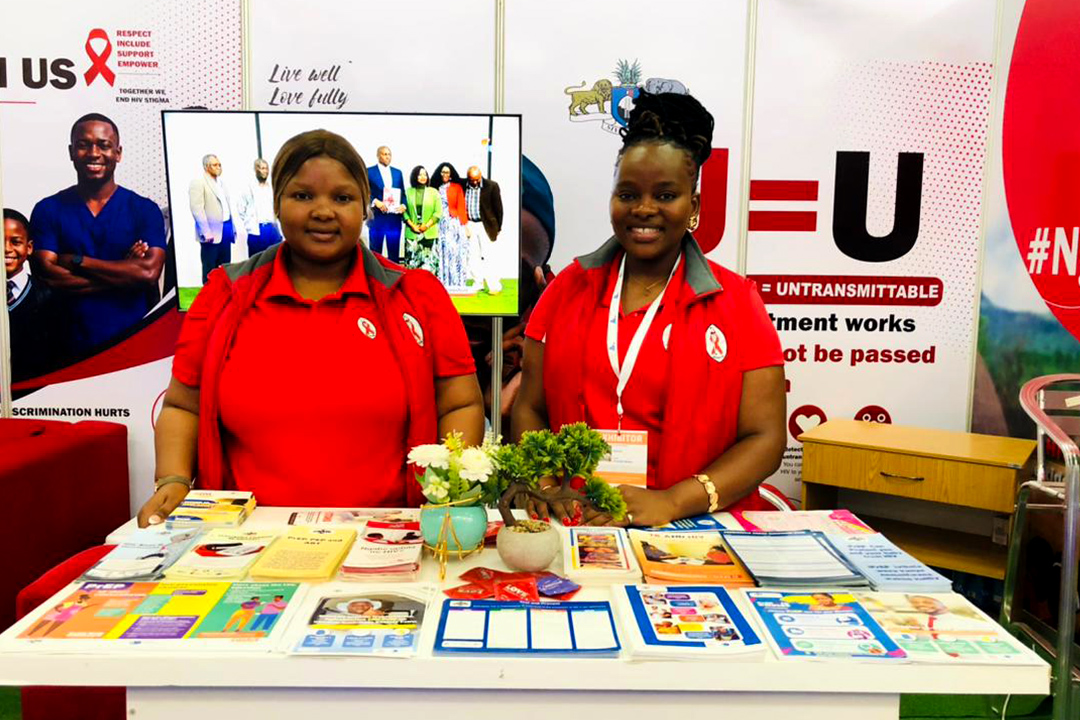
At the National Emergency Response Council on HIV and AIDS (NERCHA) exhibition stall, health education is being taken directly to the people through one-on-one conversations, interactive activities and free wellness resources.
Instead of simply displaying information, the NERCHA Red Team is engaging visitors face-to-face, creating a relaxed environment where people can ask questions, clear up misconceptions and learn about the different options available to protect themselves and their loved ones.
A major focus of the exhibition is Combination HIV Prevention, which recognises that there is no single prevention method suitable for everyone.

Visitors are being introduced to several HIV prevention options, including pre-exposure prophylaxis (PrEP), condoms and voluntary medical male circumcision (VMMC), while being encouraged to choose prevention methods that best suit their individual circumstances and lifestyles.
The approach places personal responsibility and informed decision-making at the centre of HIV prevention.
NERCHA Monitoring and Evaluation Officer for UNFPA Shiselweni, Nomvuselelo Kunene, said access to accurate and understandable health information was critical in empowering people to take greater responsibility for their wellbeing.
“Every person has a role to play in taking charge of their health. When people have the right information, they are better able to make informed choices about prevention, treatment and their overall wellbeing,” she said.
Beyond prevention, the NERCHA team is also using the Trade Fair platform to educate visitors about HIV treatment and the importance of starting and remaining on antiretroviral therapy (ART).
Particular emphasis is being placed on treatment adherence and viral suppression, with visitors reminded that people living with HIV can live healthy and fulfilling lives when they know their HIV status, access appropriate treatment and remain committed to their care.
For NERCHA, taking these conversations to a major national event such as EITF provides an opportunity to reach people from different communities, age groups and backgrounds in one place.
Thousands of people traditionally pass through the Trade Fair during the exhibition period, making the event an important platform not only for promoting businesses and products, but also for advancing public health awareness.
Kunene said the personal interactions taking place at the stall were particularly important because HIV is not simply about statistics.
“Behind every statistic is a person, a family and a community. We want people to feel comfortable asking questions, understanding the information and using it to make decisions that improve their lives,” she said.
The exhibition is also tackling one of the long-standing challenges in the fight against HIV – stigma and discrimination.
Visitors are being encouraged to treat people living with HIV with dignity, understanding and support, while recognising that stigma can discourage people from testing, seeking treatment or openly discussing their health concerns.
By creating a welcoming space for questions and conversations, the NERCHA Red Team hopes to make HIV information easier to understand and more relevant to people’s everyday lives.
The interactive activities are also helping transform what can sometimes appear to be complicated medical information into practical knowledge that visitors can take back to their homes, workplaces and communities.
Kunene said empowering one person with accurate information could ultimately benefit many others because visitors were encouraged to share what they had learnt with their families and communities.
“We want people to leave with knowledge they can use, share and apply in their everyday lives. An informed community is a stronger partner in building a healthier Eswatini,” she said.
As EITF 2026 continues to attract visitors to Manzini, NERCHA remains stationed in Hall 2, inviting EmaSwati to interact with its team, ask questions and learn more about HIV prevention, treatment and healthy living.
The initiative demonstrates how the Trade Fair is increasingly becoming more than a marketplace for goods and services. It is also providing institutions such as NERCHA with direct access to communities and an opportunity to deliver information that can influence behaviour, encourage healthier choices and improve lives.
For visitors who walk into Hall 2, the message from NERCHA is simple but powerful: knowing your options matters, taking charge of your health matters and every informed decision contributes towards building a healthier Eswatini.