


BY THEMBA ZWANE
MBABANE – The proposed whistle-blower protection law could significantly strengthen the fight against corruption and supplement the operations of the Anti-Corruption Commission (ACC), according to the Attorney General’s Office.
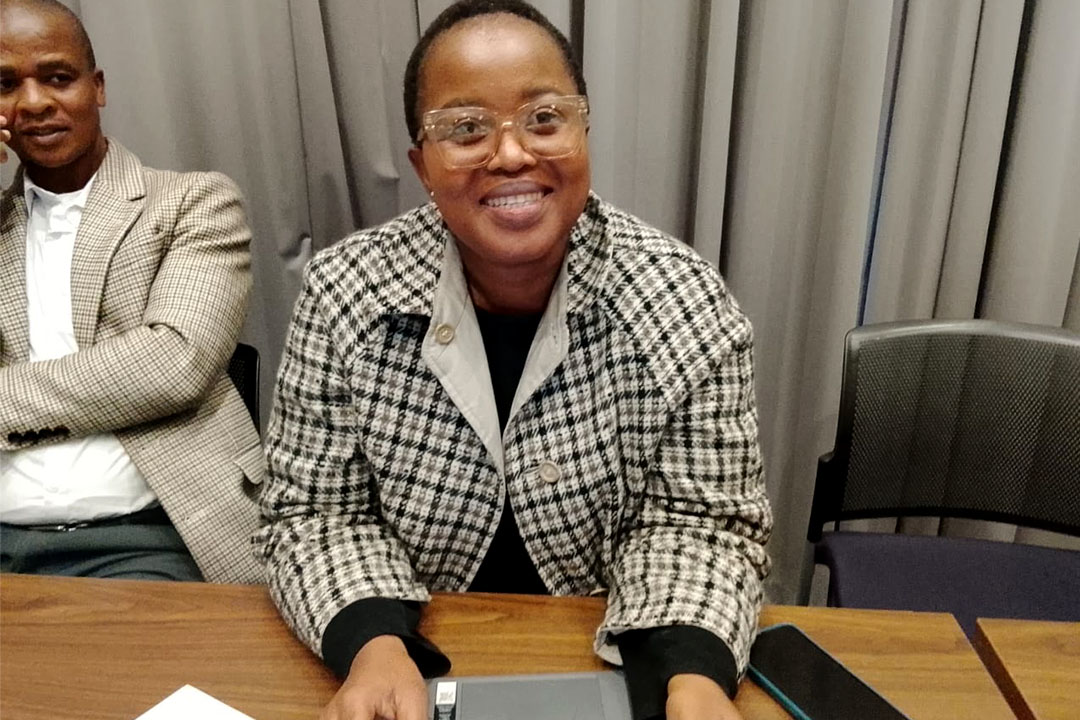
Senior Parliamentary Counsel in the Attorney General’s Office, Ngabisa Nkambule, said the development of the new framework would address a major gap in Eswatini’s fight against corruption, as the country currently does not have legislation specifically providing comprehensive protection for whistle-blowers.
Nkambule was speaking during a three-day workshop being held at the Hilton Garden Inn from September 8 to 10, 2026, convened by the Ministry of Justice and Constitutional Affairs to develop a comprehensive framework for the protection of whistle-blowers and reporting persons.
She said the proposed framework would greatly assist the Kingdom of Eswatini, particularly because the ACC had previously indicated that its legislation did not cover the protection of whistle-blowers.

“The new framework would greatly assist the Kingdom of Eswatini as the Anti-Corruption Commission (ACC) had earlier indicated that their legislation does not cover the protection of whistle-blowers,” she said.
Nkambule said the absence of a dedicated law had created uncertainty around how people who report suspected criminal activity and corruption could be protected.
“It will help us on these situations on how to protect whistle-blowers. We currently do not have a law protecting whistle-blowers.”
She said the development of the legislation would be a major benefit to the country because it could encourage more people to come forward with information about crime and corruption.
“With the development of this law, the country will hugely benefit. People will be able to come forward and report crime,” said Nkambule.
According to Nkambule, fear of a lack of protection remains one of the factors discouraging people from reporting wrongdoing.
“As it stands now, people are afraid to report crime because they fear that they won’t be protected.”
The workshop is focused on strengthening Eswatini’s legal and institutional response to whistle-blowing, with stakeholders contributing towards the formation of the proposed new piece of legislation.
The protection of whistle-blowers and reporting persons is regarded internationally as an important tool in preventing, detecting and prosecuting corruption. Effective reporting and protection systems also contribute to institutional accountability and are linked to the objectives of Sustainable Development Goal 16, which promotes peace, justice and strong institutions.
The process is being guided by Article 33 of the United Nations Convention against Corruption (UNCAC), which calls on States parties to consider appropriate measures to protect people who, in good faith and on reasonable grounds, report facts concerning offences established under the Convention to competent authorities.
However, the reluctance of individuals to report suspected wrongdoing remains a major challenge to effective anti-corruption efforts.
The workshop is therefore also examining the existing legal and institutional framework in Eswatini and identifying legislative and policy gaps that need to be addressed.
Stakeholders are expected to help define the key elements of a whistle-blower protection framework tailored to Eswatini’s legal, institutional and socio-cultural environment.
An important aspect of the discussions is also the need for clear definitions, particularly regarding the distinction between whistle-blowers and other reporting persons such as witnesses.
The workshop is drawing on technical guidance from the United Nations Office on Drugs and Crime (UNODC) Practical Toolkit for Developing Whistle-blower Protection Frameworks, with the aim of ensuring that any future legislation is aligned with UNCAC and international good practices.
For the Attorney General’s Office, the proposed legislation could therefore provide an important additional layer of protection that encourages members of the public to report corruption and other criminal activities, while strengthening the country’s broader criminal justice and anti-corruption response.
#Eswatini #WhistleBlowers #AntiCorruption #ACC #AttorneyGeneralsOffice #Corruption #Justice #UNCAC #UNODC #CrimePrevention #GoodGovernance #RuleOfLaw #SDG16 #WhistleblowerProtection