


BY MBONGENI NDLELA
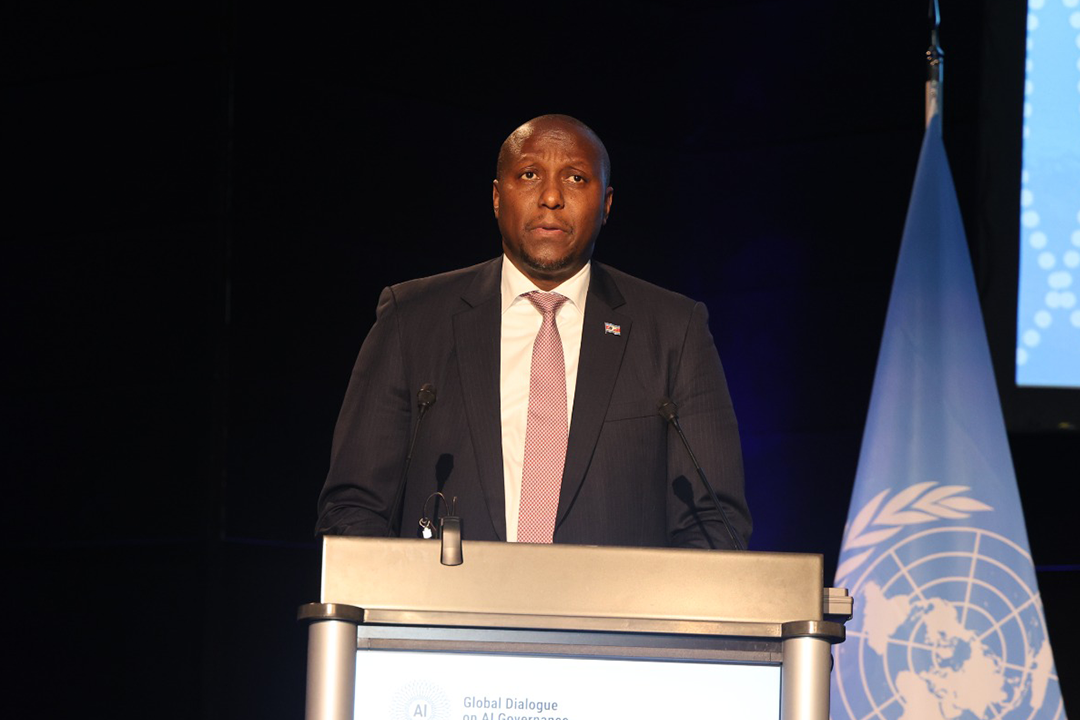
GENEVA, SWITZERLAND – His Majesty King Mswati III has called on the global community to ensure that Artificial Intelligence (AI) remains a tool that improves people’s lives rather than one that threatens human dignity, cultural identity and employment.
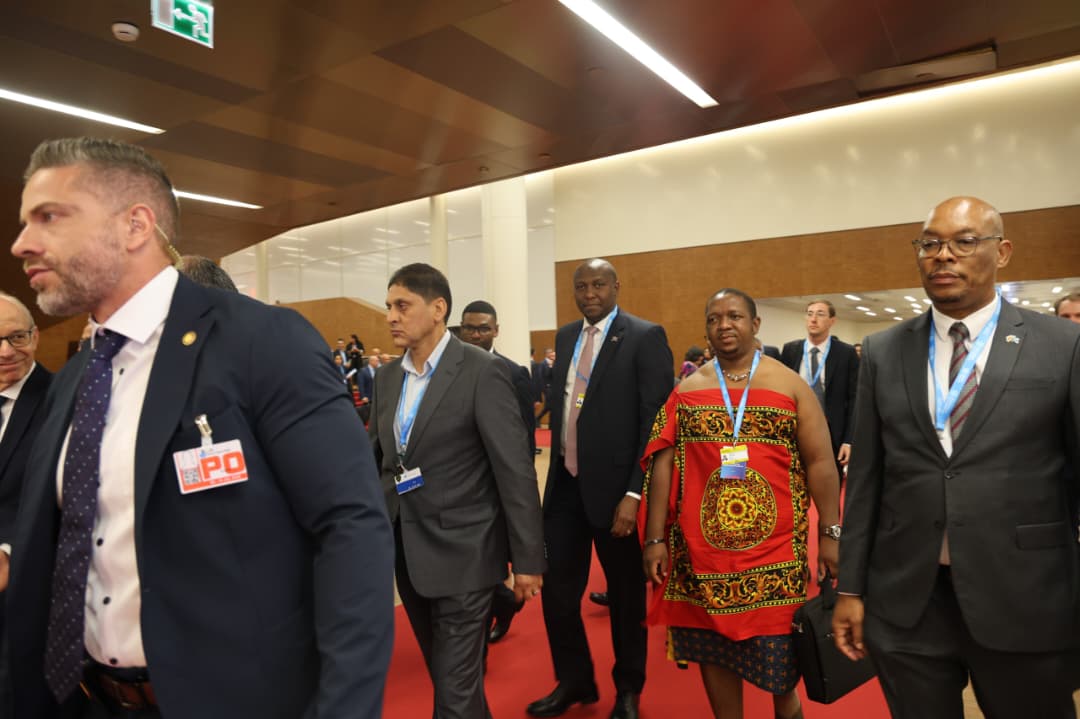
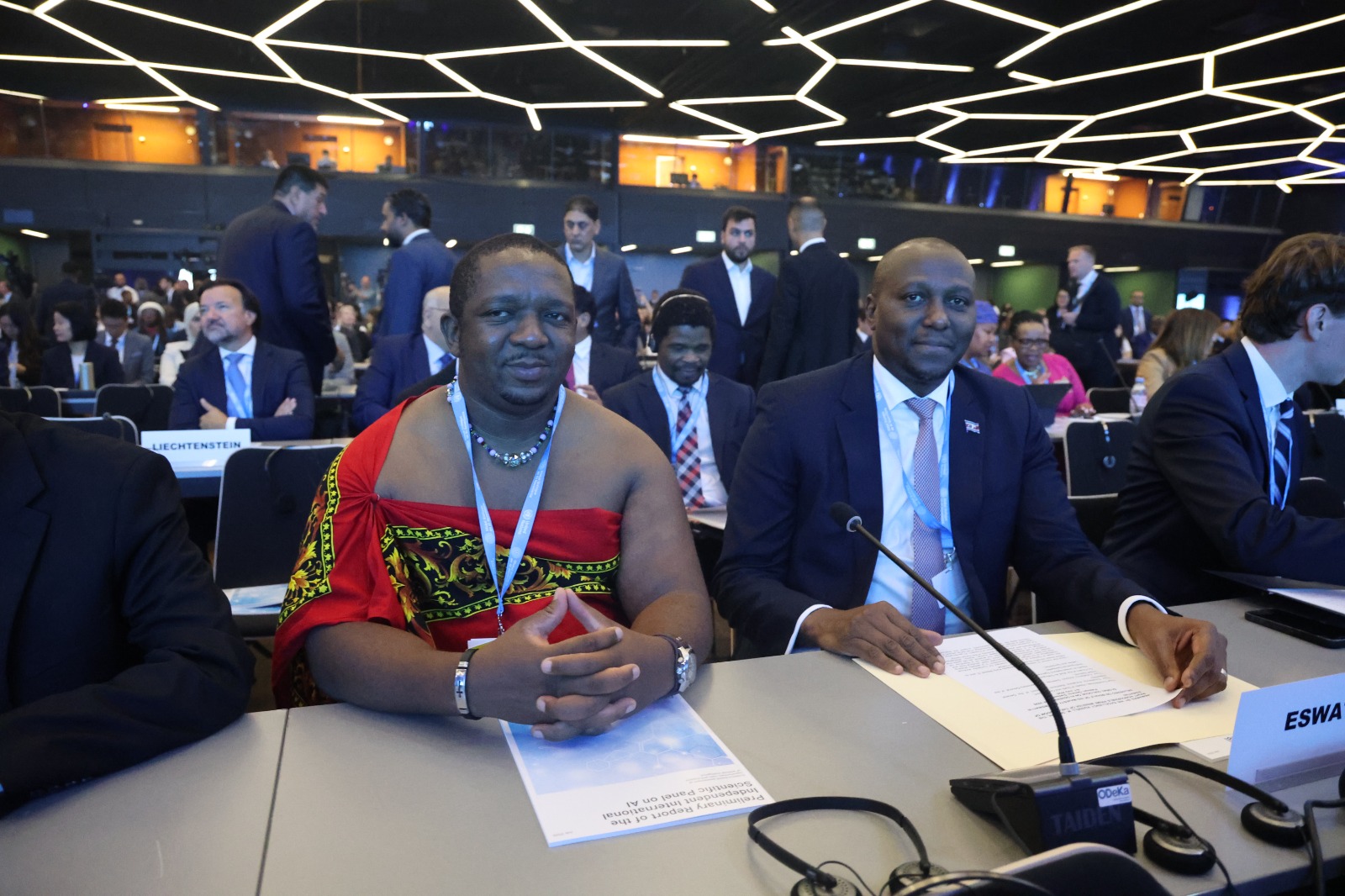
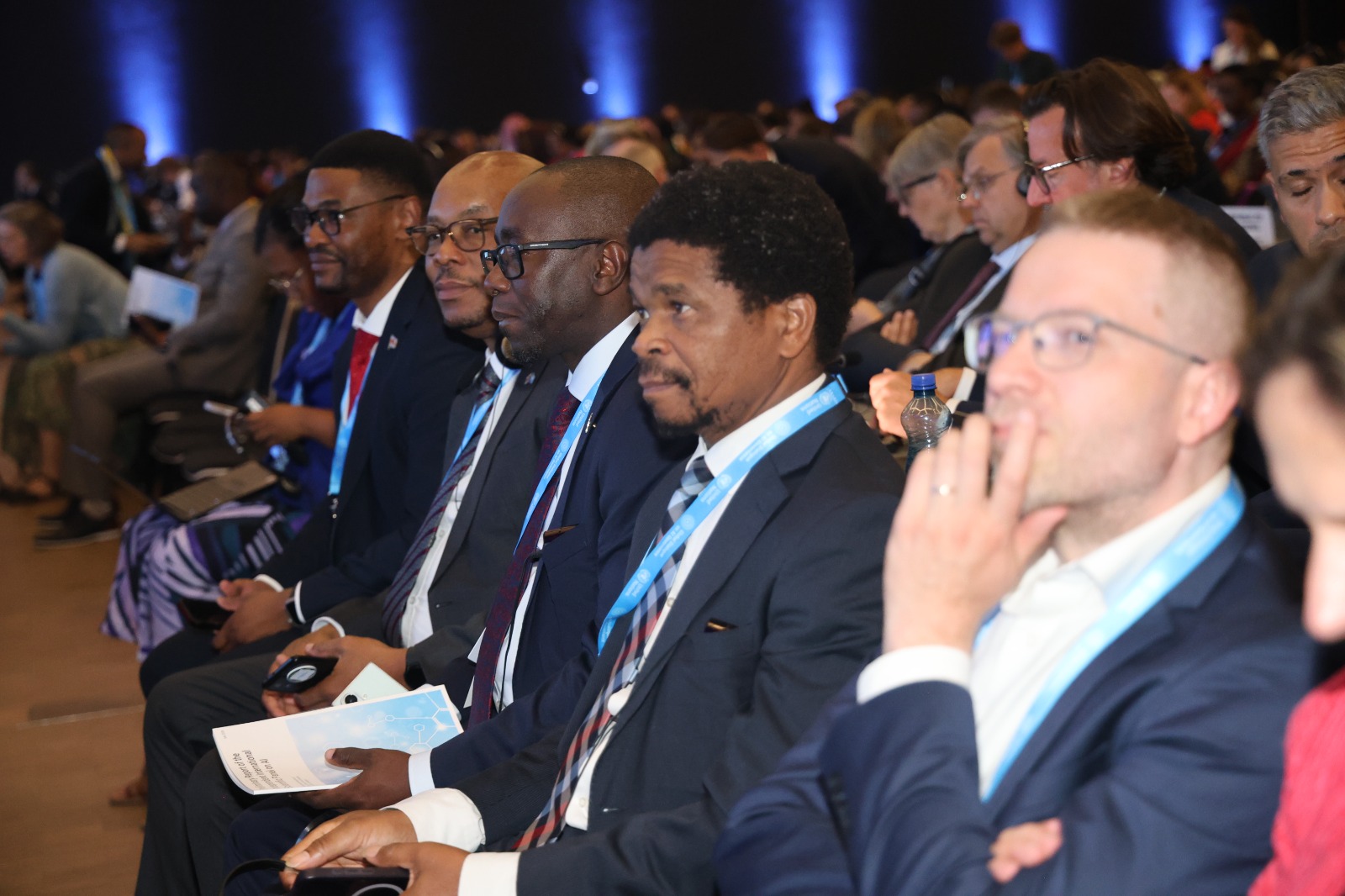
The King’s message was delivered by Prime Minister Russell Mmiso Dlamini during the Global Dialogue on AI Governance 2026, held at Palexpo in Geneva, Switzerland, where world leaders, senior United Nations officials, technology experts and policymakers gathered to shape the future of AI governance.
In a speech that placed people at the centre of technological advancement, Eswatini urged nations to embrace innovation while ensuring that AI develops within clear ethical, legal and human-centred boundaries.
The Prime Minister said the world had reached a defining moment where Artificial Intelligence was no longer a futuristic concept but a reality already transforming education, healthcare, agriculture, trade, governance, communication and environmental protection.

“The question before us is not whether AI will change our societies, but whether we will guide that change in a manner that protects human dignity, strengthens development and preserves the diversity of the human family,” he said.
People must come first
Speaking on behalf of His Majesty, the Prime Minister stressed that for developing countries such as Eswatini, AI governance must begin with one simple but powerful principle: technology must always serve people.
He said AI should improve the daily lives of citizens by making public services more efficient while contributing towards food security, quality healthcare, education, climate resilience, job creation and sustainable economic growth.
Rather than replacing people, the King said technology should empower communities, improve livelihoods and help governments deliver better services.
The speech reflected Eswatini’s growing commitment to embracing digital transformation while ensuring that innovation benefits every citizen.
Culture must not be lost
One of the strongest messages from the King’s address was the need to preserve national identity and cultural diversity in the age of Artificial Intelligence.
He warned against allowing AI to create a world where every society is forced into adopting one standard of values, identity and development. Instead, AI systems should respect different languages, traditions, cultures and social realities while enabling locally meaningful solutions.
Developing countries need fair opportunities
The King’s message highlighted concerns that developing countries risk becoming mere consumers of technologies designed by wealthier nations. Eswatini called for investment in research, innovation, computing infrastructure, trusted data systems and digital literacy.
Eswatini already preparing
The Prime Minister told delegates that Eswatini is implementing its National Fourth Industrial Revolution Strategy, investing in coding, AI training, data science and specialised digital skills for young people while ensuring automation enhances human potential without undermining employment, dignity or cultural identity.
Trust is essential
The King stressed that AI systems must comply with human rights, fairness, transparency and public safety standards. Human judgement, responsibility and oversight must remain central to AI governance.
Children must be protected
The address warned against exposing children to harmful content, manipulation, exploitation, addictive technologies and systems capable of shaping identities prematurely.
Stronger laws needed
Eswatini called for enforceable national and international AI laws covering accountability, privacy, cybersecurity, data protection and critical infrastructure.
Support for global cooperation
The Kingdom welcomed ongoing work by the United Nations, UNESCO, the African Union and other international bodies while urging inclusive participation for developing countries.
Measuring ai by its impact on people
Concluding the address, the Prime Minister said AI’s success should be measured by whether it helps farmers, patients, learners and citizens while allowing nations to innovate without sacrificing their sovereignty, culture and values. He urged world leaders to build an AI future that is safe, inclusive, culturally aware, legally accountable and firmly human-centred.