




BY GCWALISILE MHLABANE
MANZINI – The Eswatini National Blood Transfusion Service is calling on eligible emaSwati to donate blood, warning that the current shortage could put the lives of accident victims and seriously ill patients at risk.
The service says more people need to donate blood to help keep enough blood available for patients who need urgent treatment.
Blood Educator Musa Dlamini said the service was increasing its awareness and outreach programmes to encourage more people to become regular blood donors.
He warned that a shortage of blood could have serious effects, especially when patients need blood after accidents, during operations or because of other serious medical conditions.

“The shortage of blood can lead to loss of life,” Dlamini said.
Dlamini said the service currently depends heavily on blood donations from school pupils. He encouraged members of the public to make use of mobile blood drives held in different communities.
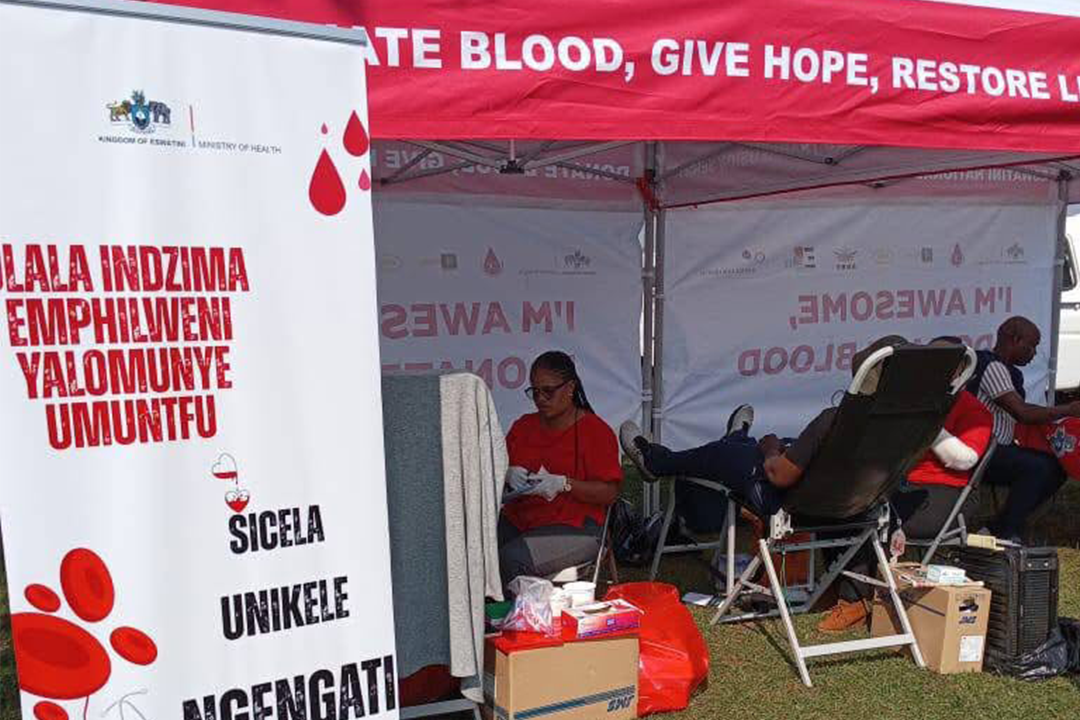
He urged people to approach the National Blood Transfusion Service whenever they see its NextGen team, vehicles or tents in their communities.
“They encourage the public and students, wherever they see our NextGen team, our cars, and our tents, to come closer and donate blood,” he said.
Dlamini said taking blood drives closer to people makes it easier for them to donate without having to travel to other places.
“We often approach them directly so that they don’t have to travel to other locations, which helps everyone involved,” he said.
The service is also asking parents to support blood drives, especially those held at schools and community venues.
Dlamini said parents were being contacted through phone calls and announcements, asking them to allow blood drives to take place and give their children permission to donate.
“We request parents to encourage their children and give them permission to donate blood once we arrive at the venues,” he said.
He said parents could also help young people who may be unsure about whether they are allowed to donate.
According to Dlamini, some young people may avoid donating by saying they are too young or have a health problem that prevents them from donating.
“We ask parents from that angle to encourage them and ensure their healthy children know they are eligible to donate blood,” he said.
The blood service is also taking its awareness campaign to towns, churches and public events. The aim is to teach people about blood donation and help more communities understand why it is important.
Dlamini said people who want to donate must meet certain requirements. A donor must be between 16 and 60 years old and in good general health.
However, being within the required age does not always mean a person can donate. Some health conditions and medicines may prevent someone from donating blood. Donors are therefore checked before giving blood to make sure it is safe for them and for the patient who may receive it.
The service wants blood donation to become a regular part of community life. This would help keep blood stocks at safer levels and allow hospitals to respond better when emergencies happen.
Accidents and medical emergencies can happen at any time, making a steady blood supply important for the country’s health system.
Dlamini said the awareness campaign would continue reaching different groups across Eswatini to encourage more eligible people to understand blood donation and take part.
#BloodDonation #SaveLives #Eswatini #DonateBlood #PublicHealth #NationalBloodTransfusionService


