


BY THEMBA ZWANE
MBABANE – Government has launched three new tools aimed at strengthening nursing leadership, professional development, workplace wellness and Eswatini’s preparedness to respond to public health emergencies.
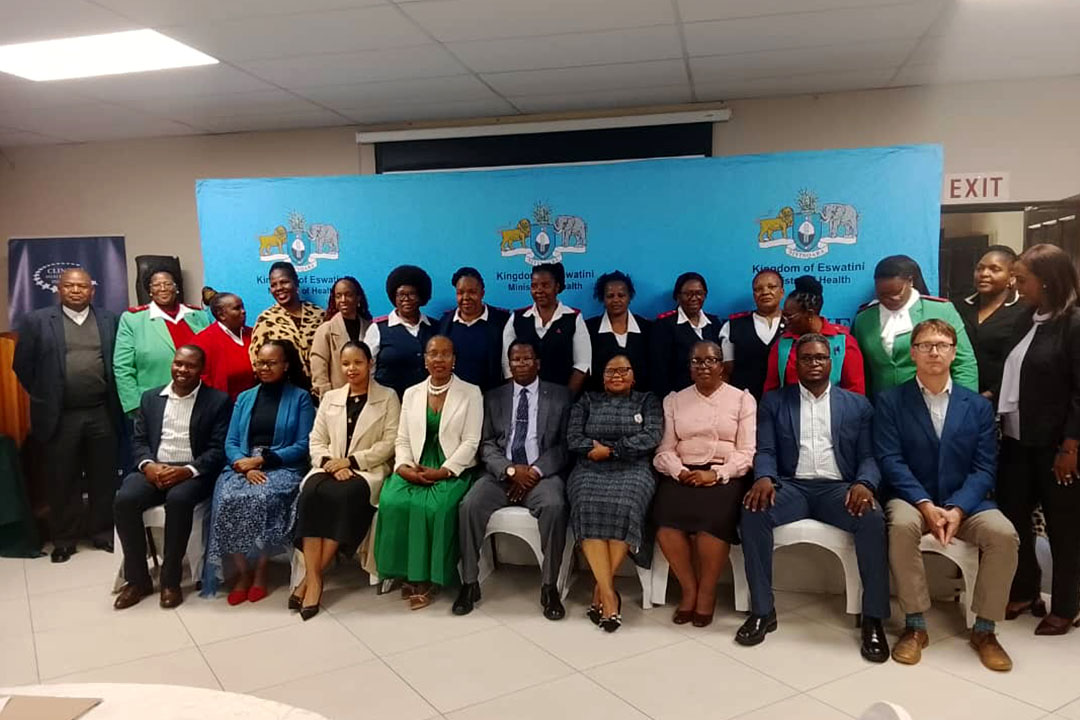
The tools were launched on Thursday, September 10, 2026, at Mountain View Hotel during the dissemination of interventions under the Nursing Leadership Initiative (NLI).
The launch was officiated on behalf of Minister of Health Mduduzi Matsebula by Under Secretary (US) Administration, Reverend Anthony Masilela, who delivered the Minister’s remarks.
The three tools are the Leadership and Management Curriculum for Nurses, the Eswatini Field Epidemiology Training Program Learning Platform (EFETP), and the Wellness Standard Operating Procedure incorporating Mental Health Care and the Mental Health Self-Assessment Tool.

The NLI was launched in 2024 through a partnership between the Ministry of Health Cooperative Agreement (COAG) and the United States Centre for Disease Control (US-CDC).
According to the Minister, the initiative seeks to strengthen nursing leadership, sustain gains made in the HIV response and enhance the capacity of the nursing workforce to respond to emerging and evolving public health challenges.
He said the development and implementation of the tools marked an important milestone in the country’s efforts to capacitate nurses and improve healthcare delivery.
“Nurses are the backbone of our health system,” Matsebula said in his remarks.
He noted that nurses are often the first point of contact for patients and communities and play a critical role in providing essential care, leadership and support across all levels of the health sector.
The Minister said nurses were also central to primary healthcare through their role in health promotion and disease prevention.
He stressed that strong health systems require nurses who are empowered, skilled and adequately supported, adding that investment in the nursing profession translates into better health outcomes, stronger communities and a more resilient health system.
LEADERSHIP CURRICULUM
The first tool, the Leadership and Management Curriculum for Nurses, is designed to strengthen leadership, management and decision-making skills among nurses, particularly at facility level.
The curriculum will equip nurse managers with skills to lead teams effectively, improve service delivery, manage resources efficiently and promote quality patient care.
Government believes stronger nursing leadership can also help drive innovation, improve staff and facility performance and support the achievement of national health priorities.
The Ministry of Health, working with the Ministry of Public Service through the Eswatini Institute of Management and Public Administration (EIMPA), will provide training to nurse managers using the curriculum.
The Minister said institutionalising the training through EIMPA would contribute to the sustainability of the programme because the institution already has an established mandate and capacity to deliver leadership and management development programmes.
Importantly, the course will also be accessible to nurses working outside government facilities.
STRENGTHENING OUTBREAK RESPONSE
The second tool, the Eswatini Field Epidemiology Training Program Learning Platform, is intended to strengthen nurses’ capacity to respond to health emergencies and disease outbreaks.
The platform will enhance knowledge and competencies in epidemiology, disease surveillance, outbreak detection and emergency response.
Government expects the initiative to contribute to a stronger public health workforce and improve Eswatini’s capacity to prevent, detect and respond to health threats.
The Minister said the platform also demonstrated government’s commitment to continuous professional development and innovative approaches to strengthening preparedness within the health sector.
NURSES’ MENTAL WELL-BEING
The third intervention focuses on the wellbeing of healthcare workers through the Wellness Standard Operating Procedure, which incorporates Mental Health Care and the Mental Health Self-Assessment Tool.
The tool provides standardised guidelines aimed at making staff wellbeing an integral part of workplace culture within health facilities.
It is also intended to promote supportive working environments where healthcare workers feel valued, protected and empowered to deliver quality services.
The Mental Health Self-Assessment Tool will provide nurses with a practical way to assess their mental wellbeing and access appropriate support, mentorship, learning opportunities and resources.
The Minister acknowledged that nurses operate in demanding and often stressful environments and emphasised that healthcare workers must also be supported to care for themselves.
The tool will be administered at the Manzini Wellness Centre, which was initially established for nurses but has since expanded its services to all healthcare workers and their families.
Matsebula encouraged nurses to make use of the services offered through the Wellness Centre and prioritise their own health and wellbeing.
The Minister concluded by thanking partners, institutions, nursing leaders and other stakeholders involved in developing the three tools.
He reaffirmed government’s commitment to ensuring that nurses are supported, valued and empowered as a key part of strengthening the country’s healthcare system and its resilience against current and future health challenges.
He then officially launched the three NLI tools: the Leadership and Management Curriculum, the EFETP Learning Platform, and the Wellness Standard Operating Procedure incorporating Mental Health Care and the Mental Health Self-Assessment Tool.
#Eswatini #MinistryOfHealth #NursingLeadership #Nurses #Healthcare #PublicHealth #MentalHealth #Nursing #HealthSystems #NLI #EFETP #Wellness #HealthcareWorkers
(Courtesy Pic)