


BY PHUMELELE GAMEDZE
MBABANE – What if the right words, spoken at the right moment, could stop someone from taking their own life? Health Promotion Officer Sdumo Lukhele says that conversation could begin with simply listening.
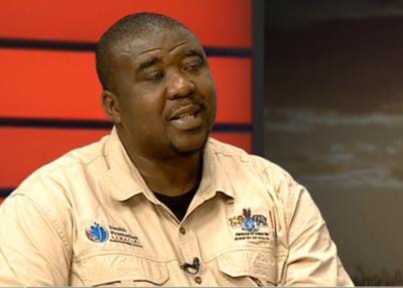
Lukhele, a Health Promotion Officer from the Ministry of Health, raised the message during an appearance on Eswatini TV’s Kusile Breakfast Show, where he discussed suicide prevention under this year’s theme, “Changing the Narrative: Our Call to Action: Start the Conversation.”
Lukhele said suicide prevention must move beyond awareness campaigns and focus on meaningful conversations that help people facing difficult circumstances find support before reaching a crisis point.
He said people often respond to suicide from different perspectives, including religion, relationships and the circumstances surrounding the person’s struggles.

“Some people look at it in a religious way and judge it, saying it is a sin. Some look at it through a relationship perspective and say, ‘Did you think about us who are left behind?’ Others look at the situation that this individual was facing and say, ‘He or she killed himself just because of this minor problem,’” Lukhele said.
“All these reasons mean nothing to the person who is already in that state.”
He said such comments can affect someone who is already contemplating suicide, while a compassionate response could instead encourage the person to seek help.
Lukhele said changing the narrative should not begin only after a person has died, but should become part of everyday conversations in families, workplaces, churches and communities.
“The conversation should not be built after the incident. It should be built before the incident,” he said.
He also challenged journalists to consider the impact of the way suicide is reported, saying the media should avoid focusing excessively on why a person died or presenting suicide as a response to a particular problem.
The World Health Organization (WHO) advises journalists against sensationalising suicide, oversimplifying its causes or reporting it in ways that could increase the risk of imitation. Instead, it encourages reporting that highlights hope, recovery and help seeking.
Lukhele also cautioned pastors, health workers and others in positions of trust against using people’s private experiences as examples when advising others.
“Let us be honest when advising others, because someone in problems is like someone stuck in a hole. Let us look at something we can use to help the individual, rather than giving them another option to use as a solution out of the problem,” he said.
He stressed that statements about wanting to die should never be dismissed or treated lightly.
“Let us take it very seriously when someone says they want to commit suicide.”
Lukhele further noted that suicide cannot simply be classified according to wealth, saying people from different social and economic backgrounds can experience circumstances that leave them vulnerable.
“Suicide does not have the rich or poor when it comes to classification. There are things that lead the rich to committing suicide and those that lead the poor to committing suicide.”
WHO describes suicide as a complex public-health issue influenced by multiple factors and recommends early identification and support for people affected by suicidal behaviour.
For Lukhele, prevention therefore requires a collective response mentally, physically, socially and spiritually.
“We need to stand up in all perspectives and take care of each other.”
Source: Eswatini TV’s Kusile Breakfast Show.
#SuicidePrevention #MentalHealthAwareness #StartTheConversation #Eswatini