


By Sifiso Nhlabatsi
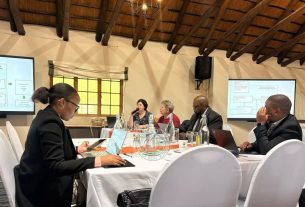
MBABANE – The Government of Eswatini and disability sector stakeholders have intensified efforts to advance disability inclusion by holding strategic discussions on the costing and financing of the National Disability Plan of Action (2024–2028).
According to stakeholders this is a move aimed at ensuring sustainable implementation of programmes that improve the lives of persons with disabilities.
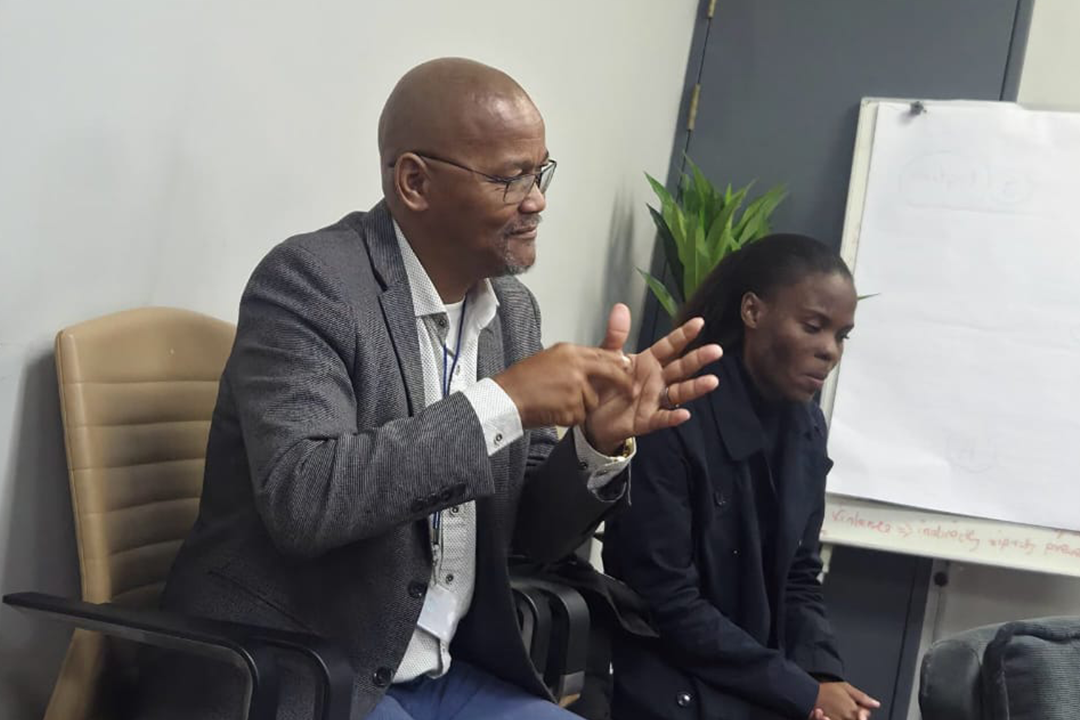
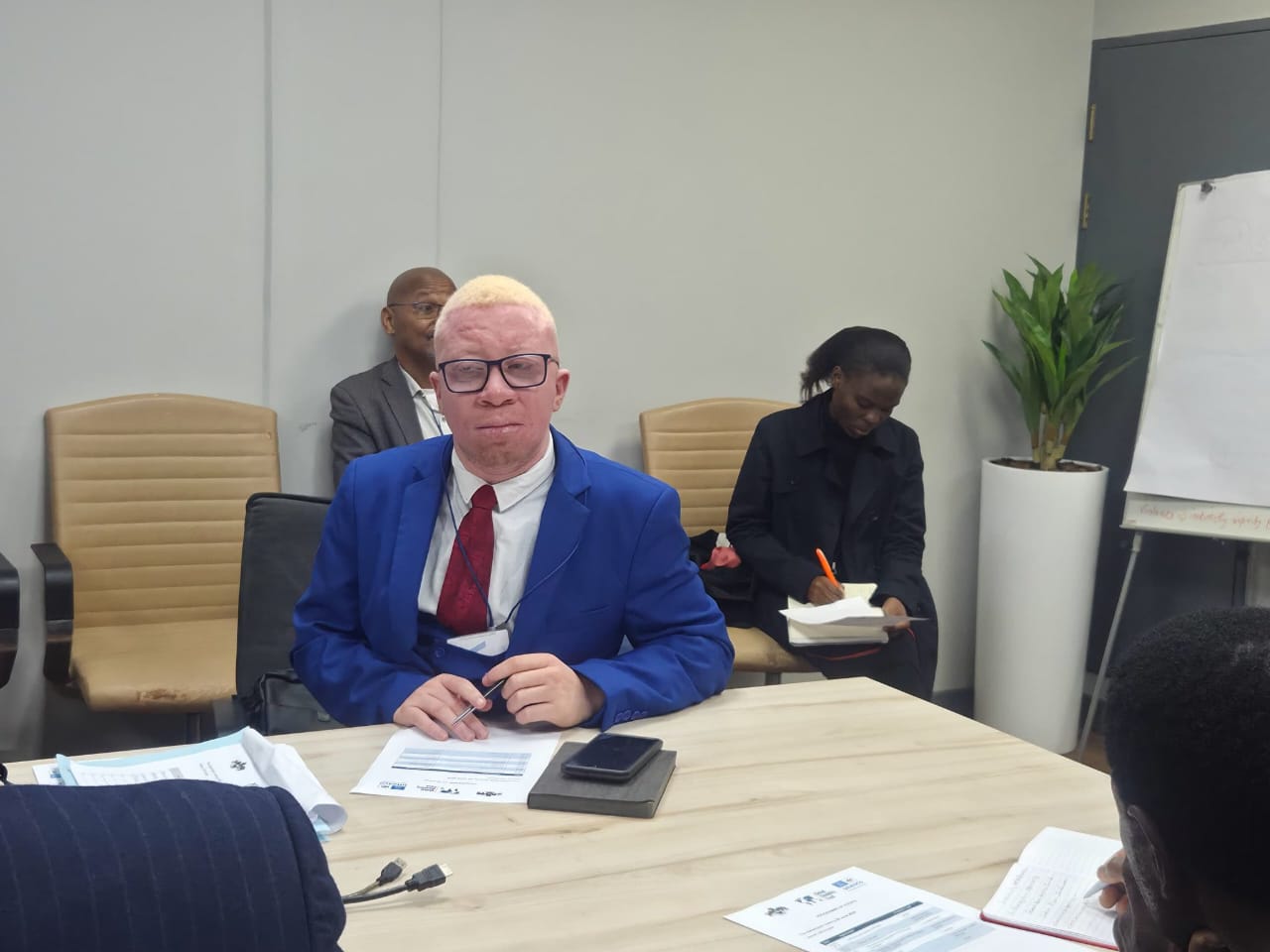
The high-level discussions brought together representatives from the Ministry of Finance, the Ministry of Health, the Federation of Organisations of the Disabled in Swaziland (FODSWA), the National Association of the Deaf in Eswatini (NADE), and the Disability Advisory Council. The dialogue focused on strengthening coordination among institutions, aligning financing priorities and reinforcing collective ownership of disability inclusion.
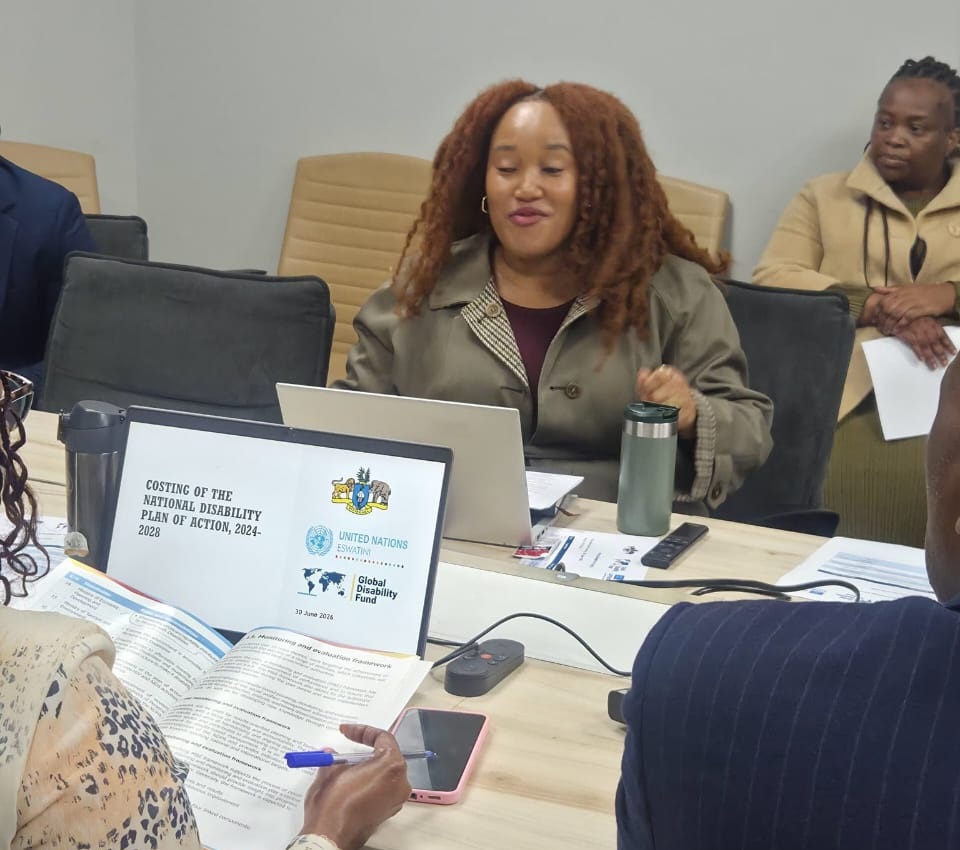
According to UNESCO, the discussions represent another important milestone towards implementing a fully costed National Disability Plan of Action that advances the rights, participation and empowerment of persons with disabilities in line with the United Nations Convention on the Rights of Persons with Disabilities (UNCRPD), which Eswatini ratified in 2012.

The meeting also builds on progress already achieved through UNESCO’s Global Disability Fund Multi-Partner Trust Fund Programme, which has been supporting Eswatini to strengthen disability governance, coordination and the implementation of the Persons with Disabilities Act of 2018.
The National Disability Plan of Action, launched in June 2024, serves as the country’s five-year roadmap for mainstreaming disability across all sectors of government and society. It identifies ten priority areas, including health and wellbeing, education and training, employment and skills development, social protection, infrastructure, emergency response, gender equality, sports and culture, advocacy, and disability coordination.
The current discussions are intended to ensure that these priorities are backed by realistic budgets and coordinated financing mechanisms, enabling government ministries and development partners to implement the plan effectively.
UNESCO has previously noted that inadequate financing remains one of the biggest barriers to disability inclusion worldwide. Without properly costed national plans, governments often struggle to allocate sufficient resources for assistive technologies, accessible services, caregiver support and other essential interventions required by persons with disabilities.
Eswatini’s disability inclusion programme is supported through the Global Disability Fund, a US$1.2 million initiative implemented jointly by UNESCO, UNICEF and UNFPA in partnership with the Deputy Prime Minister’s Office and organisations representing persons with disabilities. The programme seeks to strengthen disability-inclusive governance, budgeting and planning while improving coordination across government institutions.
The country has made significant strides in recent years, including the establishment of the National Advisory Council for Persons with Disabilities and an Inter-Ministerial Committee tasked with mainstreaming disability issues across government departments. These structures were created to improve coordination and accelerate implementation of disability policies and legislation.
According to the 2017 Population and Housing Census, Eswatini has an estimated 146,554 persons with disabilities, representing about 13 per cent of the population. However, unemployment among persons with disabilities remains disproportionately high, highlighting the need for stronger investment in inclusive education, healthcare, employment opportunities and social protection.
Stakeholders say the latest financing dialogue demonstrates Eswatini’s commitment to ensuring that disability inclusion becomes an integral part of national development planning, with the overarching goal of ensuring that no one is left behind.