


BY NOXOLO DLAMINI
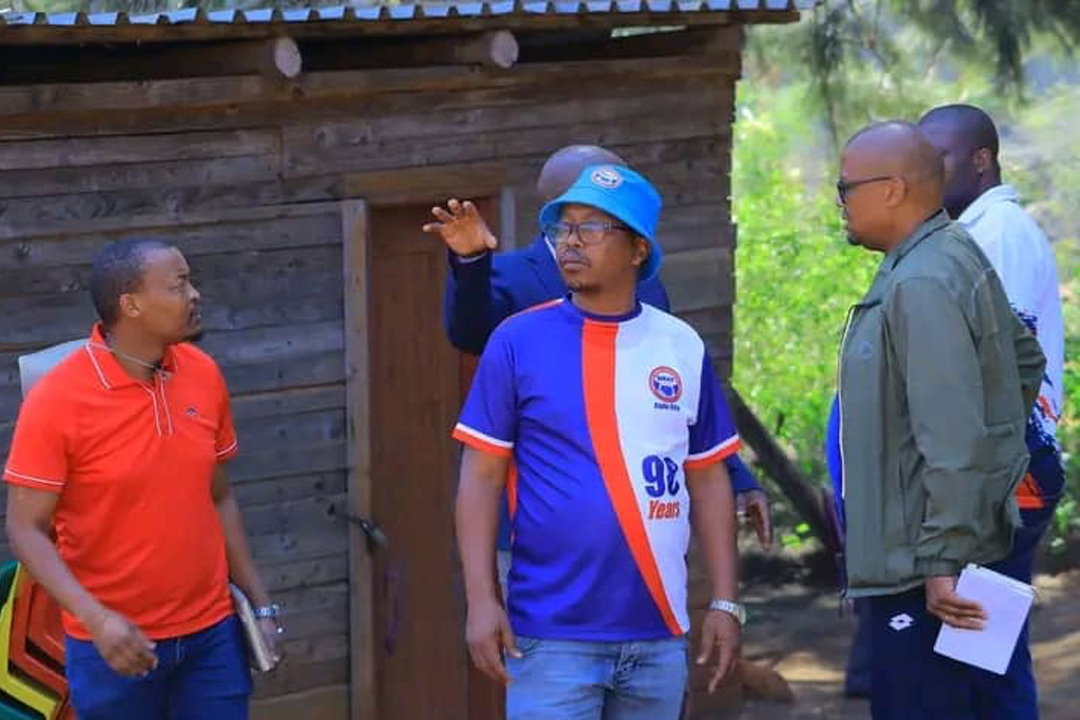
PIGG’S PEAK – The Swaziland National Association of Teachers (SNAT) and the Government Negotiations Team (GNT) yesterday visited three schools in northern Hhohho to assess working conditions that could determine which duty stations may qualify for a Hardship Allowance.
The joint visits to Lufafa Primary School, Gobolondlo Primary School and Sobokazana High School form part of an information-gathering process arising from the 2025 Salary Review Exercise.
SNAT Secretary General Lot Vilakati said the visits were important because the assessment needed to go beyond information presented on paper and allow the negotiating teams to see the actual conditions teachers face at their duty stations.
“The visits to schools aim at ascertaining duty stations that may attract Hardship Allowance. Such a process of visiting the workplaces is a product of the 2025 Salary Review Exercise,” said Vilakati.

At Lufafa Primary School, the delegation encountered educators working in a remote environment where transport and accessibility remain major challenges.
The school is situated adjacent to the Lomati Gold Mine, with teachers reportedly exposed to dust and drilling noise associated with mining activities.
Transport is another challenge for educators stationed at the school. There is no public transport from the kombi drop-off point at Emaphayiphini to the school, leaving teachers to walk long distances to reach their workplace.
Teachers reportedly walk approximately 10 kilometres from the Mlumati River to the school, while horses have become one of the few reliable means of transport available in the area.
Despite the difficult conditions, educators at Lufafa continue reporting for duty and serving learners in the remote community.
At Gobolondlo Primary School, the delegation also observed challenges affecting the school and its educators.
Headteacher Mrs T. Ndzabukelwako commutes daily from Mbabane, where her family resides, to the remote school.
One of the most visible challenges at Gobolondlo was the condition of two classrooms whose roofs were blown off in 2019.
According to information provided during the visit, construction experts advised that the roofs should not simply be repaired because of structural defects. Seven years later, the classrooms remain without repaired roofs.
The prolonged condition of the classrooms highlights the infrastructure challenges that educators and learners can face at remote duty stations.
The joint assessment also gave the SNAT National Executive Council and GNT an opportunity to observe firsthand the accessibility, infrastructure and general working conditions at the schools.
The exercise brings attention to the realities faced by educators who work far from major towns and transport networks, particularly those serving learners in isolated communities.
As the assessment continues, information gathered from the schools will help the negotiating teams understand the conditions under which educators carry out their daily responsibilities and determine which duty stations may qualify for a Hardship Allowance.
#EswatiniPositiveNews #SNAT #GovernmentNegotiationsTeam #HardshipAllowance #Education #Teachers #PiggsPeak #NorthernHhohho #LufafaPrimary #GobolondloPrimary #SobokazanaHighSchool
(Courtesy Pic)