


BY SIFISO NHLABATSI
EZULWINI– Eswatini has taken steps towards developing its own National Artificial Intelligence (AI) Strategy as Government pushes for the country to position itself in an AI market projected to exceed US$4.2 trillion by 2030, while ensuring that the technology is accessible and responsibly used across society.
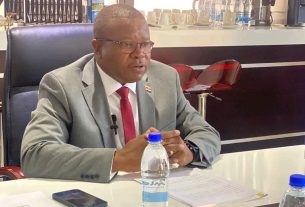
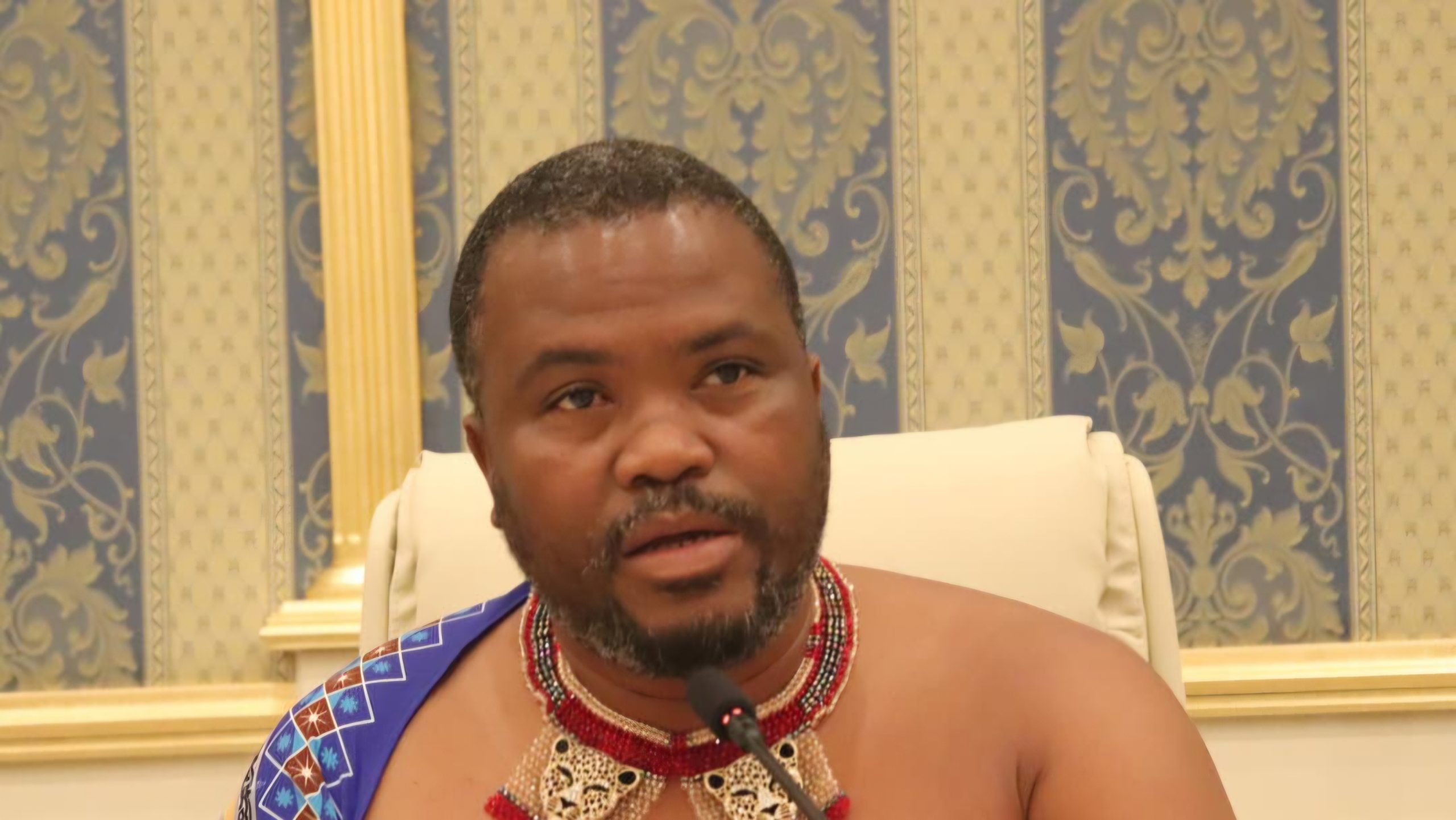
This was disclosed by Minister for ICT Savannah Maziya, who was represented by Minister for Tinkhundla Administration and Development Sikhumbuzo Dlamini, during the Regional Validation Workshop for the Draft Study on AI and Emerging Technologies under the Inclusive Digitalization in Eastern and Southern Africa (IDEA) Programme at the Ezulwini Palazzo International Convention Centre on Wednesday.
Maziya said Eswatini had recently engaged a consultant to draft its National AI Strategy, describing the regional validation process as timely as the country works to establish its own framework for AI development and adoption.
“In fact, this regional validation arrives at an ideal moment for Eswatini: having recently engaged a consultant to draft our own National AI Strategy, this process will significantly enrich our efforts and streamline our national situational analysis,” she said.

The minister said the country’s national efforts were taking place alongside a broader regional process led by the Common Market for Eastern and Southern Africa (COMESA), which seeks to develop a Regional AI Strategy, Model Policy Guidelines and a Model Regulatory Framework for AI and emerging technologies.
She said the regional approach was important because member states had different levels of readiness, infrastructure and institutional capacity.
“The Kingdom of Eswatini strongly supports COMESA’s efforts to advance a coordinated regional approach,” Maziya said.
“Regional cooperation strengthens national capabilities through shared expertise, policy harmonisation, and practical solutions to common challenges,” she said.
Maziya said AI presented significant opportunities for transforming economies and improving public services, including in agriculture, healthcare, education, finance, trade and climate resilience.
She, however, warned that Africa needed to deliberately position itself to benefit from the rapidly expanding global AI economy.
“With global AI markets projected to exceed US$4.2 trillion by 2030, Africa must position itself through local enterprise, skilled employment, and deliberate infrastructure investment,” she said.
The minister’s remarks placed emphasis on ensuring that African countries were not left merely consuming technologies developed elsewhere, but developed the skills, businesses and infrastructure necessary to participate meaningfully in the AI economy.
She said the regional study therefore needed to accurately reflect the different realities of member states and identify gaps that could affect their ability to benefit from AI.
“Because Member States have varying levels of readiness, infrastructure, and institutional capacity, our report must reflect this diversity, highlight gaps, and ground its recommendations in practical realities,” Maziya said.
At the same time, she stressed that economic opportunities from AI should not come at the expense of inclusion, rights and responsible governance.
“Inclusion and responsible AI must remain central to our review,” she said.
Maziya said delegates should assess whether the study adequately addressed affordability, accessibility, skills and participation, particularly among women, young people, rural communities, persons with disabilities and other underserved groups.
“The opportunities created by AI must be accessible across our societies,” she said.
She further called for data protection, privacy, cybersecurity, ethics, human rights and environmental sustainability to form part of the considerations guiding AI development and the selection of priority use cases.
The minister said these safeguards would be critical as countries sought to translate AI’s potential into practical benefits for their populations.
The regional workshop is reviewing the first phase of the COMESA AI and emerging technologies study, which provides a situational analysis of the region’s AI ecosystem.
The validated findings will inform the second phase, which will focus on developing the Regional AI Strategy and model policy and regulatory instruments.
Maziya urged delegates to scrutinise the study, provide country-specific evidence, correct inaccuracies and identify omissions before the report was finalised.
She said the validation process should ultimately establish a reliable evidence base for guiding the region’s next steps on AI.
“During your deliberations across the six analytical pillars, keep one core question in mind: Does this report provide an accurate and complete evidence base to guide our next steps?” she said.
The six pillars are policy and regulation; skills and readiness; innovation and AI use cases; digital infrastructure and data; investment and market development; and environmental sustainability and responsible AI.
Maziya officially opened the three-day workshop, urging participants to build consensus on the strategic direction for the next phase and agree on concrete timelines for finalising the report.
#ArtificialIntelligence #AI #Eswatini #NationalAIStrategy #COMESA #DigitalTransformation #ResponsibleAI #InclusiveAI #EmergingTechnologies #DigitalEconomy #Africa #ICT
(Courtesy Pic)