


BY THEMBA ZWANE
MBABANE – A total of 32 resolutions have been adopted by the Southern African Development Community Organisation of Public Accounts Committees (SADCOPAC) at its 22nd Annual General Meeting (AGM) in Eswatini, following four days of deliberations at the organisation’s 18th Annual Conference.
The resolutions, adopted on Wednesday, September 16, 2026, seek to transform parliamentary oversight across the SADC region from a largely reactive process into an integrated system capable of identifying risks early, strengthening accountability and ensuring that public resources deliver tangible benefits to citizens.
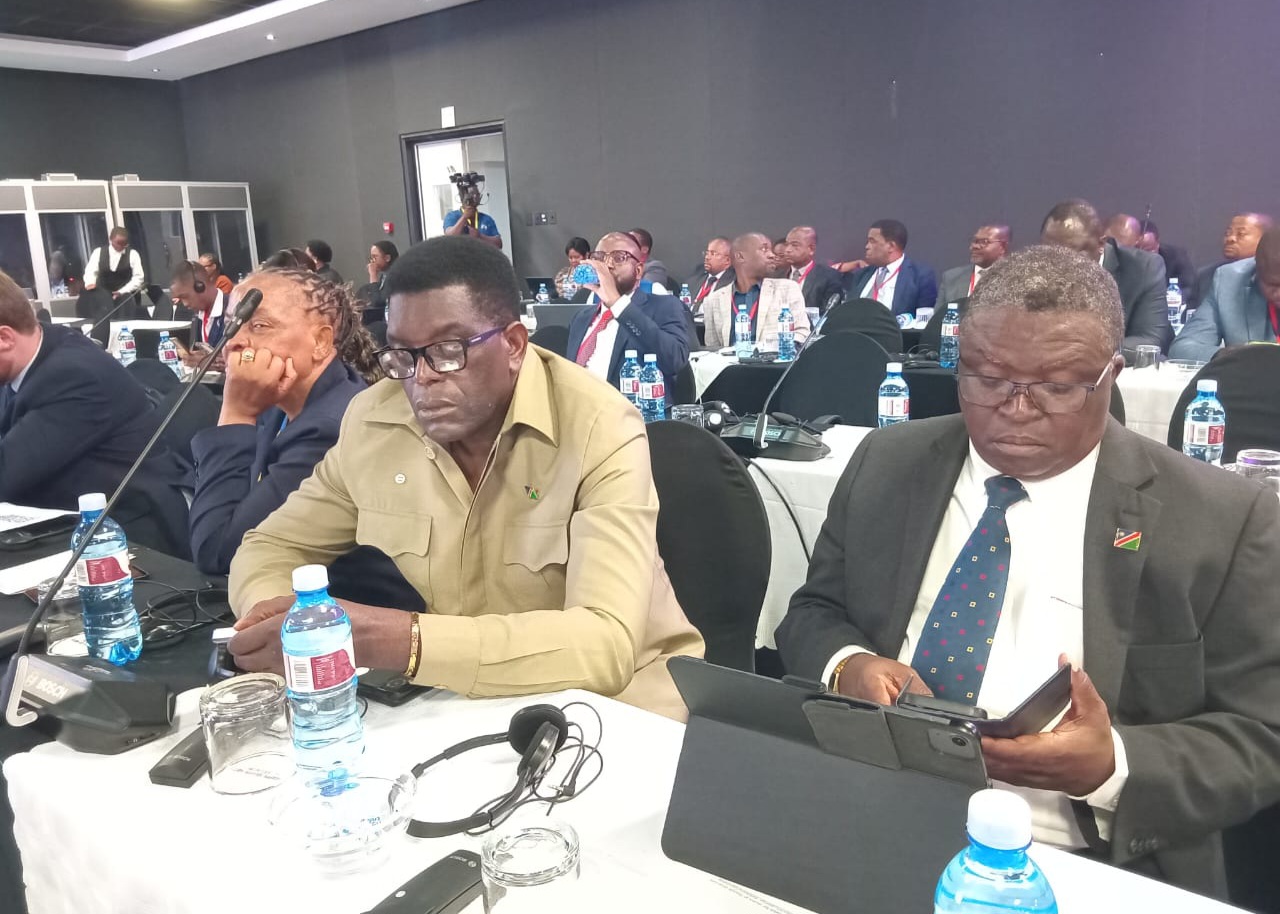
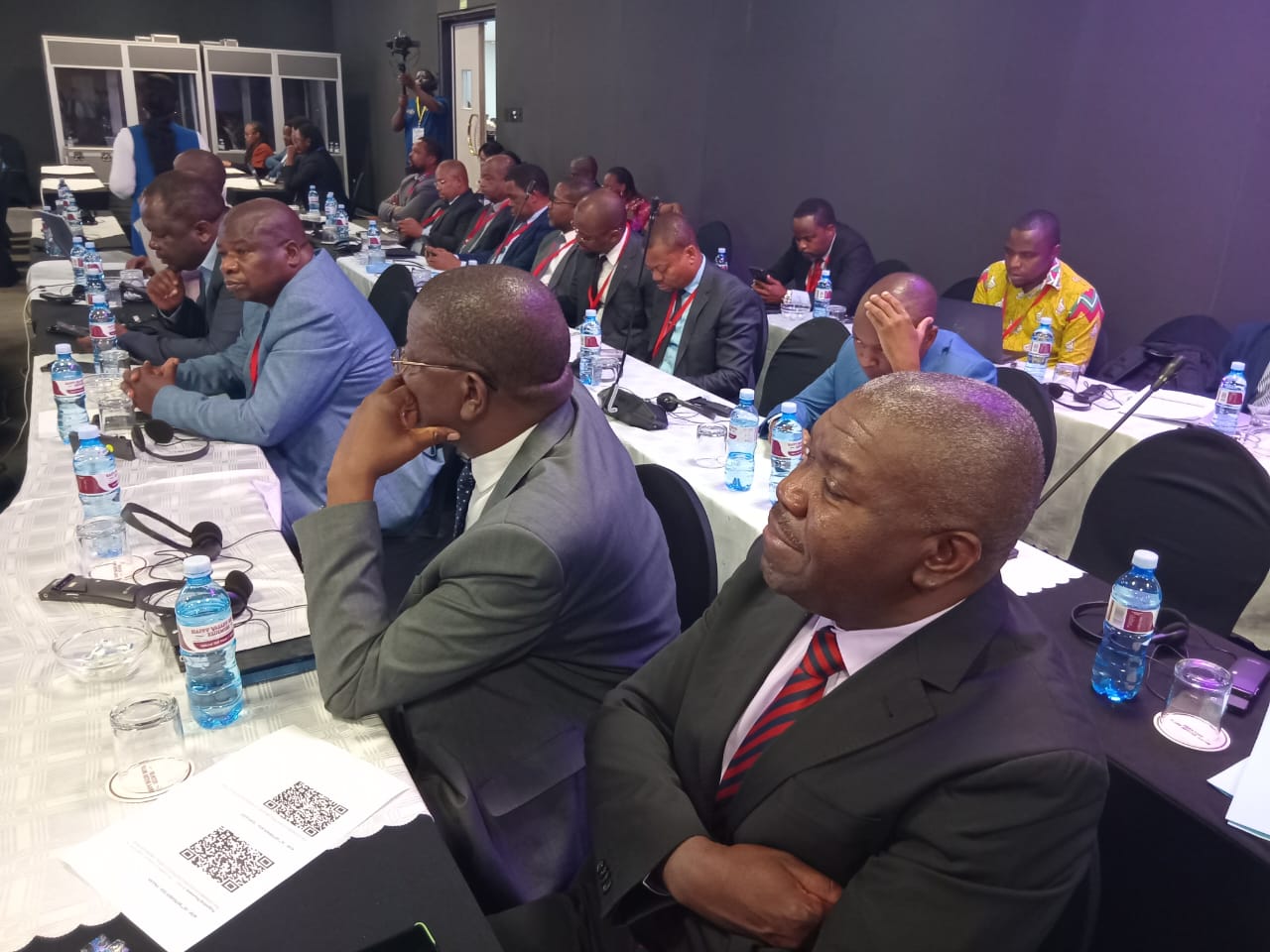
Held under the theme “Oversight into Action: Building an Integrated Accountability System for Anticipatory Governance and Systemic Resilience in the SADC Region,” the conference brought together Members of Public Accounts Committees (PACs), similar parliamentary committees and other delegates from the SADC region and beyond.
The adopted resolutions cover a wide range of emerging and persistent public accountability challenges, including hidden public debt, State-Owned Enterprise (SOE) liabilities, illicit financial flows, cryptocurrency, climate finance, digital transformation, disaster response, ignored audit recommendations, public procurement and citizen participation.

The resolutions are structured around three major pillars – Pillar A: Defending the Purse; Pillar B: Scrutinizing the Future; and Pillar C: Strengthening the System.
Under Pillar A, SADCOPAC committed to strengthening oversight of debt contracted by SOEs and preventing fiscal collapse through proactive detection of hidden and contingent liabilities.
Member Parliaments are called upon to ensure that PACs, Supreme Audit Institutions (SAIs) and investigative agencies have the necessary legal powers and technical capacity to scrutinise SOE borrowing and debt sustainability.
The resolutions further call for enhanced collaboration between PACs, SAIs, civil society and investigative agencies to track and report hidden debt and fiscal risks.
PACs and similar committees are expected to establish mechanisms for quarterly reviews of SOE debt portfolios and contingent liabilities, with findings reported to Parliament and published for public scrutiny within 12 months.
The resolutions also call for legislative powers and technical research capacity to be secured by the end of the 2027 parliamentary session, while audit recommendations are expected to be tracked and implementation reports tabled bi-annually.
Another significant commitment is for Member States to adhere to International Public Sector Accounting Standards (IPSAS) to address hidden debt and promote consistent and transparent financial reporting.
SADCOPAC will also collaborate with the African Forum and Network on Debt and Development (AFRODAD) to develop a SADCOPAC Public Debt Oversight Manual by the first quarter of 2027.
On illicit financial flows, the regional body committed to retooling oversight institutions to respond to financial crime in an increasingly digital economy.
PACs are expected to engage Financial Intelligence Units, anti-corruption agencies, revenue authorities and other relevant institutions to assess and report on the effectiveness of measures combating illicit financial flows, including those involving digital assets and cryptocurrency, within one year.
PAC members are also expected to receive targeted training on digital oversight tools within 18 months, followed by reporting on government progress in implementing transparent e-procurement and payment systems.
SADCOPAC further committed to strengthening scrutiny of public borrowing and debt sustainability, with Member States encouraged to keep public debt within the 60 per cent public debt-to-GDP criterion in line with SADC Macroeconomic Convergence targets.
An annual review of public debt portfolios and related expenditure is to be undertaken, with reports published within three months of each review.
The resolutions also call for Public Debt Management Acts that clearly define parliamentary roles, including approval of annual borrowing plans.
Under Pillar B, SADCOPAC turned its attention towards emerging risks that could affect public finances and governance in the future.
On climate finance, PACs and similar committees are expected to conduct at least one dedicated oversight inquiry into climate finance flows within 12 months, with findings published and followed up within six months.
Formal mechanisms are also to be established for civil society organisations and investigative journalists to participate in climate finance oversight, including annual public hearings.
SAIs are expected to develop and share performance-audit methodologies for climate finance across the region within 18 months.
Digital transformation also emerged as a major area of concern.
The resolutions call for stronger oversight of e-government platforms, digital public financial management systems and digital identity systems.
PACs are expected to map major digital transformation projects in their respective countries and conduct at least one value-for-money review of a digital system within 12 months.
The regional body further called for oversight of e-procurement, e-payment and digital audit-trail systems to improve transparency, reduce discretion and strengthen public-service delivery.
On crisis management, the AGM committed PACs and similar committees to developing and adopting a Crisis Oversight Playbook within 12 months.
The playbook is expected to provide protocols for oversight before, during and after disasters, including pandemics, climate-induced disasters and economic shocks.
PACs are also expected to conduct at least one post-disaster accountability review annually and establish standing mechanisms for real-time oversight of emergency expenditure, including fast-track procurement and relief-fund disbursements.
Pillar C – Strengthening the System – focuses on changing how oversight institutions operate and interact with citizens and one another.
A major resolution is the commitment to shift PAC oversight from compliance check-boxes to outcome accountability, ensuring that parliamentary scrutiny examines whether citizens actually benefited from public expenditure.
PACs are expected to adopt outcome-based oversight frameworks and conduct at least two outcome-focused inquiries within 18 months.
Each PAC is also expected to develop a public-engagement strategy incorporating at least two public hearings within 18 months and the annual publication of citizen-friendly versions of key reports.
Another major commitment is to address the persistent problem of audit and PAC recommendations being ignored.
SADCOPAC resolved that PACs should formalise regular meetings with SAIs before and after the audit cycle and develop joint frameworks for tracking implementation of audit recommendations.
A regional knowledge hub and digital tracking system is expected to be established within 12 months, while the Executive is expected to report on implementation of PAC recommendations bi-annually.
Non-compliance is to be referred to Parliament for action.
The AGM also resolved to strengthen the institutional resilience and independence of PACs, including advocating for secure budgets, protection from arbitrary dissolution and safeguards against political volatility.
PACs are expected to conduct self-assessments of their institutional resilience and develop action plans to address identified vulnerabilities within 12 months.
SADCOPAC is further tasked with developing and sharing best-practice guidelines on insulating parliamentary oversight from political volatility within 18 months.
The resolutions also seek to deepen the relationship between PACs and SAIs through joint working groups focusing on priority areas such as debt, climate finance and digital transformation.
SADCOPAC is expected to develop a regional SAI-PAC integration framework and share best practices among member states within 18 months.
On public procurement, PACs are expected to intensify scrutiny of major contracts through value-for-money audits, with a requirement to conduct at least two value-for-money inquiries into major procurement projects annually.
Reports are to be published and follow-up hearings held within six months of each inquiry.
Citizen engagement is another key component of the adopted resolutions, with PACs expected to strengthen civic education, public hearings and communication through media and digital platforms.
Each PAC is expected to report on the implementation of its public-engagement strategy at the next annual conference.
The resolutions collectively place considerable emphasis on anticipatory governance – identifying fiscal, technological, environmental and institutional risks before they become crises.
They also seek to establish stronger links between Parliament, SAIs, investigative agencies, civil society, the media, financial intelligence institutions and citizens.
The resolutions represent the formal outcome of the discussions held during the three thematic commissions at the 18th SADCOPAC Conference, where delegates examined hidden debt and illicit financial flows, climate finance and digital transformation, as well as institutional resilience and the implementation of audit recommendations.
The conference and AGM therefore move beyond identifying weaknesses in public accountability towards establishing specific mechanisms, deadlines and responsibilities for addressing them.
In adopting the resolutions, SADCOPAC reaffirmed its commitment to “translating oversight into action and building an integrated accountability system for the SADC region.”
The resolutions were formally adopted on September 16, 2026, in Eswatini.
#SADCOPAC #SADC #PublicAccountability #ParliamentaryOversight #GoodGovernance #Eswatini #FiscalResilience #AntiCorruption #PublicFinance #Transparency #Accountability #SADCConference #OversightIntoAction