


BY LINDELWA MYENI
MBABANE– Behind the SiSwati names of many of Eswatini’s indigenous plants lies more than just language, there are generations of knowledge, culture and a deep connection between emaSwati and the land.
The Eswatini Environment Authority (EEA) is now working to ensure that this valuable heritage is not lost.
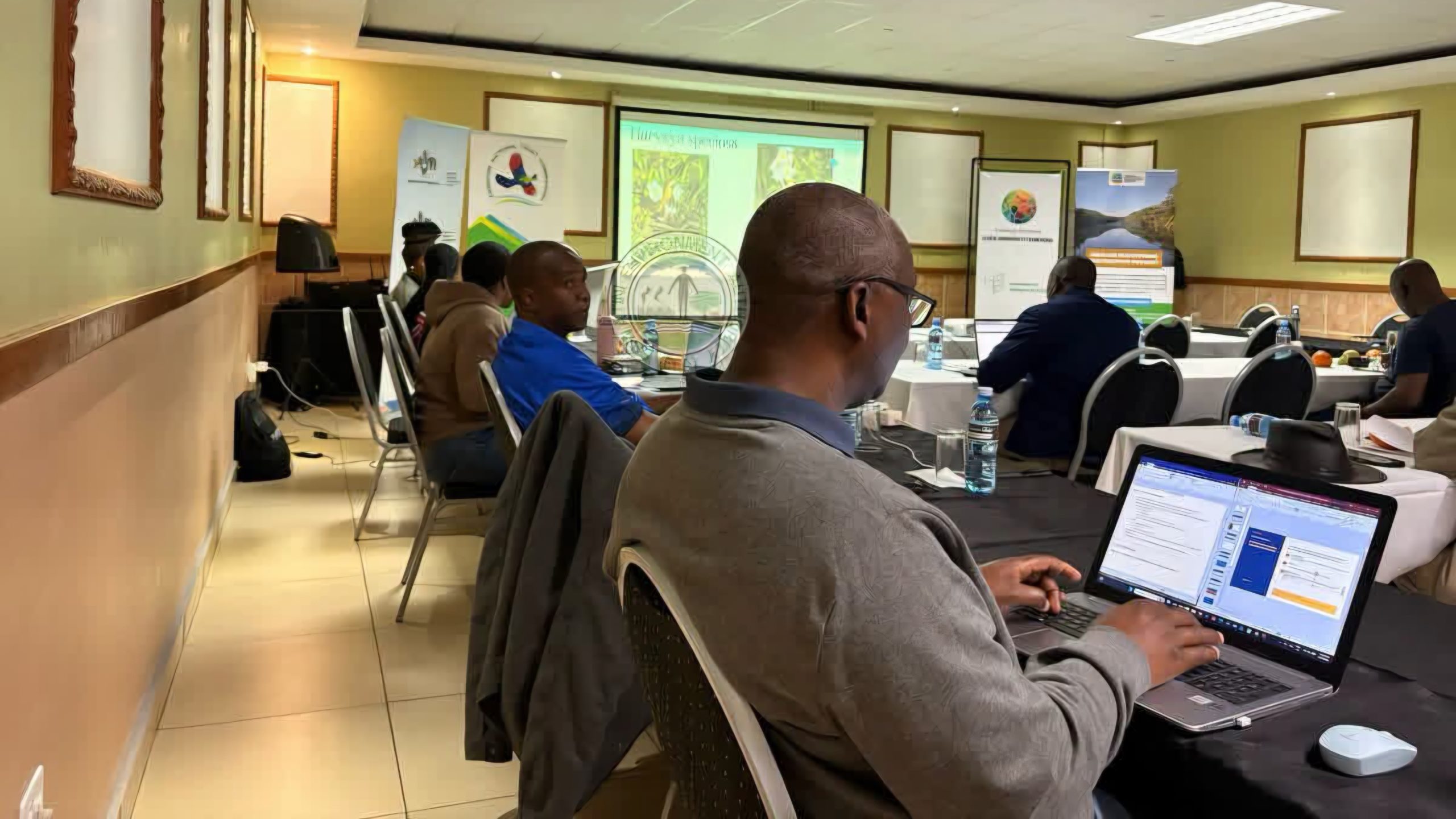
Through a National Expert Workshop, the Authority is documenting and validating the SiSwati names of indigenous plant species protected under the Flora Protection Act No. 5 of 2001, while also preserving the traditional knowledge associated with them.
The initiative brings together experts to ensure that plants are not identified only through their scientific names, but are also recognised through the names and knowledge that have been passed from one generation of emaSwati to another.

For communities, this means traditional knowledge that has existed for decades can become part of the formal systems used to understand and protect the country’s natural heritage.
Many indigenous plants are known within communities by SiSwati names that often carry important knowledge about their uses, significance and relationship with the environment.
By documenting this information, the EEA is effectively creating a bridge between modern scientific conservation and indigenous knowledge.
The exercise is also expected to contribute towards the proposed revision of the schedules of the Flora Protection Act, potentially strengthening the manner in which protected plant species are identified, recorded and communicated.
This is particularly important because effective conservation begins with properly identifying what is being protected and ensuring that information can also be understood by the communities living closest to those natural resources.
The initiative therefore places local knowledge holders at the centre of conservation instead of allowing generations of valuable knowledge to disappear as society changes.
It also recognises that biodiversity protection is not exclusively a scientific undertaking. Communities have accumulated knowledge about plants, their uses and their importance over generations, making their contribution important to the protection of Eswatini’s biodiversity.
The documentation exercise is linked to international principles promoting recognition of traditional knowledge associated with biological and genetic resources, as well as the participation of communities and knowledge holders.
It further complements the objectives of the Kunming-Montreal Global Biodiversity Framework, which promotes biodiversity conservation while recognising the contribution of indigenous and local knowledge.
At the heart of the initiative, however, is something much closer to home.
Every indigenous plant whose SiSwati name is properly documented represents a piece of Eswatini’s linguistic and cultural heritage that can be preserved for future generations.
The exercise could therefore have benefits extending beyond environmental protection.
It provides an opportunity to safeguard the SiSwati language by ensuring that traditional names associated with indigenous plants remain documented, understood and available to younger generations.
By bringing scientists and traditional knowledge together, the initiative strengthens the country’s approach to biodiversity conservation while acknowledging that communities remain important custodians of knowledge about the natural environment.
Ultimately, protecting Eswatini’s indigenous plants is also about protecting the stories, language and knowledge attached to them.
As the EEA advances the documentation and validation process, the country is taking steps towards ensuring that its natural heritage, and the indigenous knowledge surrounding it, remains part of Eswatini’s identity for generations to come.
(Courtesy Pic)