



BY PHUMELELE GAMEDZE
MBABANE – Businesses buying, selling or merging companies across COMESA now face a major change: qualifying deals must receive regulatory approval before they are implemented, under the 2025 competition rules.
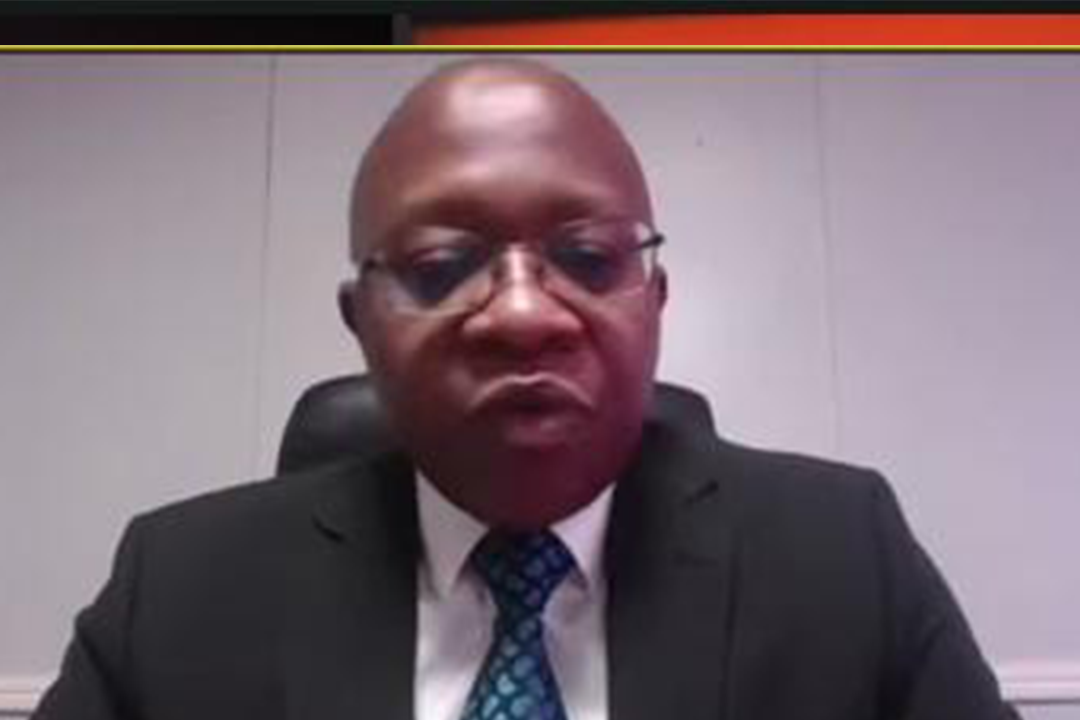
The change was unpacked by Boniface Makongo, Director of Competition at the COMESA Competition and Consumer Commission (CCCC), during a live interview from Malawi on Eswatini TV Tax Talk.
Makongo explained that the reforms were introduced after years of enforcing the regional competition framework, with the Commission finding that the previous system needed to respond to new challenges and international practice.
“Over time, it became clear the old rules needed modernization,” Makongo said, explaining that the changes were intended to address “new and emerging issues” and make enforcement “more robust, effective, and responsive to stakeholders.”

The biggest change is the move from a non suspensory to a suspensory merger regime.
Under the old system, businesses could implement a transaction before the Commission completed its assessment. Under the new rules, approval must come first.
Makongo explained the reason behind the change: “Once a merger is implemented, it is very difficult to unwind or restructure.”
He said the suspensory system gives the Commission an opportunity to intervene “before competition harm occurs.”
Businesses also need to be careful about gun jumping acting as though the merger has already been approved before clearance.
Implementation can include integrating operations, exchanging sensitive information or influencing the target company’s competitive decisions. Penalties can reach up to 10% of COMESA turnover.
The new rules set the combined turnover or asset threshold at US$60 million, about E980 million, with at least two parties each meeting US$10 million, about E163 million, subject to the two thirds exception.
Makongo explained that the thresholds are designed to ensure the Commission concentrates on transactions with genuine regional competition implications.
“Small transactions with no regional competition impact should not burden the regional body,” he said.
The two thirds exception can keep a transaction within national competition jurisdiction where each party derives at least two thirds of its COMESA turnover or assets from the same Member State.
The rules also introduce a digital market trigger.
A digital market transaction valued at US$250 million, about E4.08 billion, can require notification even where traditional turnover thresholds are not met.
Makongo said this addresses transactions where a target may have relatively low turnover but significant strategic value through its “data, tech, user base.”
For businesses, the practical message is to establish early whether a proposed merger, acquisition or qualifying joint venture requires COMESA clearance.
The framework also provides clearer treatment of joint ventures that create a lasting, autonomous entity performing the functions of an independent business.
With merger reviews potentially taking up to 120 days, businesses planning regional deals must now factor regulatory approval into their timelines from the beginning.
Source: Eswatini TV Tax Talk, live interview from Malawi; COMESA Competition and Consumer Commission.
#COMESA #Business #Competition #Eswatini


