


BY SIBUSISEKILE NDLANGAMANDLA
MANZINI– The Eswatini Water Supply and Sanitation Access Project has delivered 34 732 water connections and 5 394 household sanitation facilities as the project approaches its official close-out.
Through the National Disaster Risk Management Authority, the project supported the development of 14 municipal drought management plans, alongside drought monitoring and early warning systems.
It also supported groundwater monitoring, the Composite Drought Index and the National Drought Intelligence Hub and Reporting Platform to improve access to drought-related information.
These systems provide institutions with information that can be used to monitor drought conditions, assess risks and inform planning and responses to climate-related threats.

The project has also expanded sanitation services in public institutions, with facilities provided in 35 schools and four health facilities. In addition, 19 prepaid-meter kiosks were established as part of efforts to improve access to water services.
As the project approaches close-out, stakeholders are assessing the lessons that can inform future water, sanitation and climate-resilience interventions. The project demonstrates that water security involves more than physical infrastructure. It also requires systems that enable institutions to identify risks, use early warning information and plan responses before drought impacts become more severe.
The water connections and sanitation facilities provide direct improvements in access to basic services, while the drought management plans and information systems provide institutional tools that can continue supporting preparedness beyond the project period.
The project has been implemented through collaboration among government institutions and sector partners, including the Eswatini Water Services Corporation, Department of Water Affairs, Ministry of Health and National Disaster Risk Management Authority, with support from the World Bank.
The lessons-learnt process is therefore also examining how the infrastructure, information systems and institutional capacity developed through the project can continue supporting water security and drought preparedness after close-out.
As the project reaches the end of its implementation period, the outputs provide measurable evidence of its contribution to water access, sanitation and preparedness for climate-related risks.
#EswatiniPositiveNews #EPN #WaterSecurity #Sanitation #DroughtPreparedness #ClimateResilience #ValaMvaloWesive
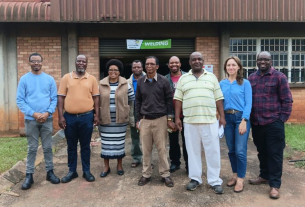
(Courtesy Pic)