
BY NELIWE NGUBANE
MBABANE – Behind the confident smile of Lungiswa Dlamini, affectionately known as Lungy Masterking, is a story shaped by hunger, limited clothing, loneliness and moments when simply making it through another day felt like an achievement.
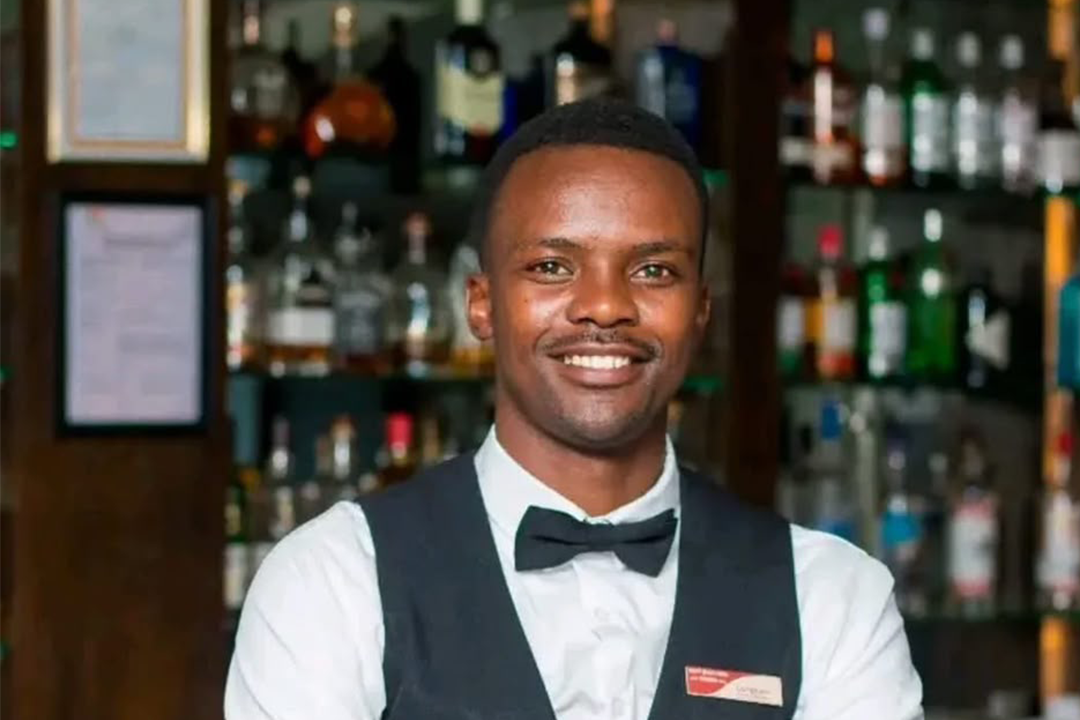
Today, Dlamini works as an attendant and bartender at a four-star hotel, while also pursuing photography through his brand, Citypictures. He has turned his love for people, service and capturing happiness into a growing purpose – a journey he says was built slowly from circumstances that once made him question his future.
His story matters because it reflects the reality that a difficult childhood does not necessarily determine where a person ends up.
For Dlamini, survival came before ambition.
Growing up without the love and presence of his biological parents in the way he hoped for, he experienced financial hardships from an early age. There were times when he did not have enough clothes, while other children arrived at school dressed in outfits he could only admire.
Fridays were particularly difficult.
While his friends wore their best clothes, Dlamini sometimes had no option but to remain in his school uniform.
There were also days when food was not guaranteed.
“I know what it feels like to go to sleep hungry and wake up knowing you still have to face another day,” he said.
Those experiences left emotional scars, but they also forced him to develop resilience at an age when many children were simply expected to enjoy childhood.
“I learned very early that not everyone gets the same start in life,” Dlamini said.
He recalls watching other children have things he did not, sometimes questioning why his own life had to be different.
There were moments when he felt alone and had to mature emotionally before he was ready.
Looking back, however, he believes the young boy who struggled through those experiences was already learning an important lesson – how to survive.
Dlamini says he did not always have the opportunity to dream far into the future.
At one point, his biggest dreams were basic ones: having enough food, enough clothes and enough security.
As he grew older, those dreams evolved into a desire to become somebody and create an identity that belonged to him.
That was where Masterking began.
While still in high school, he started developing the Masterking identity. To people watching from the outside, he sometimes appeared as though he had money and an easy life.
The reality was different.
Behind the image was a young man trying to build something while still battling his own circumstances.
After completing school, Dlamini worked at a butchery. Although he appreciated having employment, he knew he wanted an environment where he could learn, grow and develop himself.
That opportunity eventually came through hospitality.
Today, he works professionally as an attendant and bartender in a four-star hotel – a position he says has changed his understanding of service, discipline and people.
“Hospitality taught me that even a simple smile, greeting or kind interaction can mean something to someone,” he said.
For Dlamini, serving people is not merely about doing a job.
It connects directly to his understanding of what people may be carrying silently.
One of the most difficult parts of Dlamini’s journey was not simply financial hardship.
He also experienced periods of deep emotional struggle, including moments when he had suicidal thoughts and questioned whether life was worth continuing.
He says these experiences came from a combination of loneliness, rejection, hunger, feeling like he did not belong and the weight of trying to find his place in life.
“I don’t say that for sympathy. I say it because it is part of my truth,” he said.
During those moments, he questioned himself.
Why was his life like this? Would things ever change? Was he good enough?
Yet, despite those questions, he kept going.
“My story cannot end here,” became the thought that pushed him forward.
Instead of trying to solve his entire life at once, Dlamini began taking it one day at a time.
Eventually, days became weeks, weeks became months, and progress began to emerge.
“Slow but solid,” became more than a phrase.
It became his way of life.
Dlamini credits the family he is with for standing beside him during some of his most difficult moments.
He also acknowledges the people who gave him opportunities, taught him valuable lessons and believed in him while he was still trying to understand himself.
He describes three major influences on his development simply: a man gave him experience, books gave him knowledge, and life gave him lessons.
Those lessons have also influenced how he interacts with other people.
Dlamini says his experiences taught him never to assume that he knows what someone else is going through.
A person can be smiling while carrying a private battle.
That understanding has become particularly important in hospitality, where his work requires him to interact with different people every day.
He has found meaning in being able to improve someone’s experience through service.
Dlamini’s journey did not stop at hospitality.
He later picked up a camera and discovered another way of connecting with people.
Through Citypictures, photography became an extension of his personality and his love for seeing people happy.
Where hospitality allows him to create an experience in the moment, photography allows him to preserve that moment.
“I love seeing people smile,” he said.
That simple observation connects the two sides of his working life.
As an attendant and bartender, he serves people.
As a photographer, he captures their memories.
Both, he says, are ultimately about people.
His growing confidence in both fields has also challenged the perception that success must immediately look like wealth or fame.
For Dlamini, success is found in progress.
It is being trusted by guests.
It is improving his skills.
It is working professionally.
It is holding a camera and creating something people appreciate.
And perhaps most importantly, it is being able to look back at the child he once was and recognise how far he has travelled.
Dlamini says one of his proudest achievements is becoming a respected attendant and bartender despite where he started.
Working in a four-star hotel represents more than employment to him.
It is evidence of how far he has moved from the days when basic necessities were uncertain.
He is equally proud of the recognition and trust he has received from guests and colleagues.
But he does not describe success solely through professional achievements.
“Success is waking up and realising that I have moved forward,” he said.
That perspective has allowed him to appreciate progress that may appear small to someone else.
His journey has also changed how he views his past.
Rather than hiding the boy who struggled, Dlamini now sees that part of himself as an important part of his story.
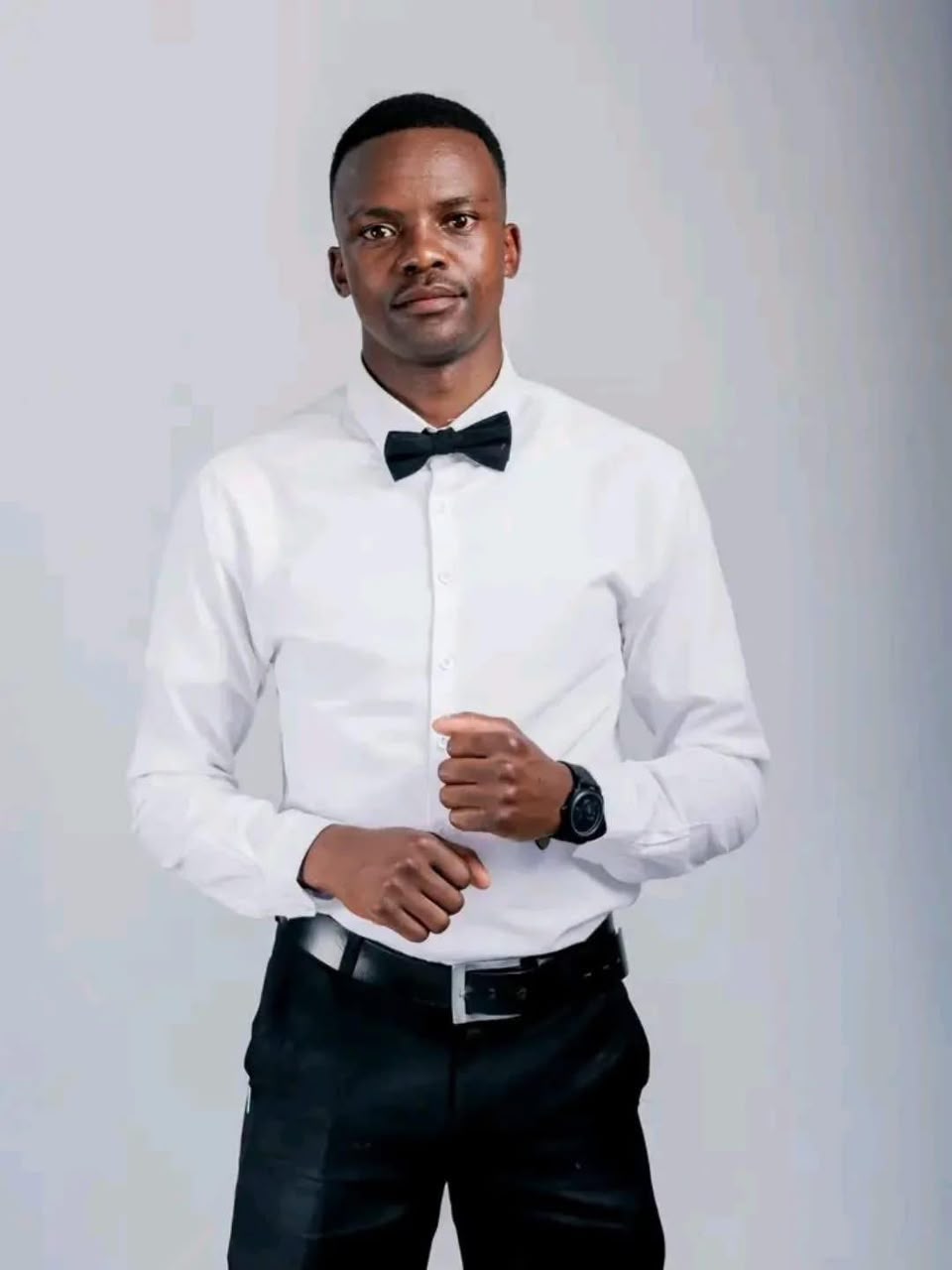
People may see Lungy Masterking as confident.
They may see the bartender, attendant, photographer and man behind the camera.
But beneath those identities is someone who remembers going to school without the clothes he wanted, experiencing days without enough food and fighting emotional battles privately.
His past, he says, is not something he needs to erase to move forward.

It is something he has learned from.
If Dlamini could sit beside his younger self, he says he would tell that little boy not to be ashamed of what he did not have.
He would remind him that lacking the things other children had did not make him less valuable.
He would tell him to keep going.
That message now forms part of what he hopes other young people can take from his story.
He wants those facing difficult circumstances to understand that their present situation does not have to become their final destination.
He also wants young people to recognise hospitality as a legitimate career through which they can develop skills, serve others and build a future.
Looking ahead, Dlamini plans to continue developing himself in hospitality while growing Citypictures as a photography brand.
He wants to become better at what he does, continue learning, serve people and capture culture, happiness and important moments through his camera.
His ambitions are no longer simply about having enough.
They are about becoming enough for the purpose he has chosen.
From the schoolboy who sometimes had to wear his uniform on Fridays to the man now standing behind a bar and carrying a camera, Dlamini’s journey has taken him from simply surviving to deliberately building.
“I started with very little,” he said.
There were days without enough clothes.
There were days without enough food.
There were days when he questioned whether he wanted to continue living.
But he is still here.
Still serving.
Still creating.
Still learning.
Still building.
For Lungiswa Dlamini, the story is no longer about the circumstances he was born into.
It is about what he chose to build from them.
Slow but solid.
#LungiswaDlamini #LungyMasterking #FromSurvivalToPurpose #HumanInterest #EPN #Eswatini #PositiveNews #InspiringStories #Hospitality #Photography #Citypictures #SlowButSolid #NeverGiveUp #Purpose #Resilience #Inspiration