


- Finance Minister given seven days to explain institutional arrangement
BY SIFISO NHLABATSI
LOBAMBA – Members of Parliament have called for the Office of the Auditor General to be given full institutional and operational independence, warning that any administrative arrangement tying the country’s supreme audit institution to the Ministry of Finance could undermine public confidence in its oversight role.
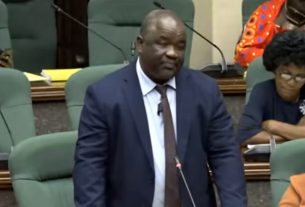
The call emerged during debate on a motion moved by Khubuta Member of Parliament Mzwandile Masiphula Mamba, who questioned the relationship between the Office of the Auditor General (OAG) and the Ministry of Finance.
At the centre of the debate was Section 207(7) of the Constitution, which expressly states that the Auditor General, when exercising the powers of the office, must be independent and must not be subject to the direction or control of any person or authority.
Mamba asked Finance Minister Neal Rijkenberg to explain the current arrangement and what implications it could have for accountability, public service delivery and the Auditor General’s ability to scrutinise government institutions without interference.

He argued that the Office of the Auditor General could find itself in a difficult position if it were required to scrutinise the same ministry on which it depended administratively or financially.
Mamba raised concern that, in such circumstances, the institution could potentially become vulnerable to pressure through the allocation of resources.
His argument was that an institution tasked with following public money and exposing weaknesses in the management of state resources needed sufficient protection to carry out its mandate without fear or favour.
The concerns raised by MPs echo issues previously acknowledged by the Auditor General’s own office.
In its strategic plan, the OAG noted that historically its operations had been constrained by issues including budget allocations passing through the Ministry of Finance and limitations relating to staffing and other resources. The same document, however, states that the 2005 Constitution and Audit Act re-established the OAG as a public office and separated it from the Ministry of Finance.
Government’s current Auditor General information similarly describes the OAG as Eswatini’s Supreme Audit Institution and states that the Constitution separated it from the Ministry of Finance.
This makes the MPs’ debate particularly significant, as their concerns centre on whether the constitutional independence of the office is being fully realised in practice through its institutional, financial and administrative arrangements.
Supporting the motion, Phondo MP Bonginkosi Dube said the question of Auditor General independence had previously surfaced during engagements attended by legislators.
Dube told the House that MPs had observed how auditor-general institutions operate independently in a number of other countries and argued that Eswatini should strengthen its own arrangements.
Maseyisini MP Nokuthula Dlamini also threw her weight behind the motion.
She said the independence guaranteed to the Auditor General should not exist only on paper but should be reflected in the practical operation of the institution.
Dlamini argued that the office should have the institutional space needed to exercise its constitutional responsibilities independently.
She further raised the physical location of the office, suggesting that its premises should reinforce the perception and reality of institutional separation from the Ministry of Finance.
Government information currently states that the OAG is housed opposite the Main Treasury Building in Mbabane.
According to Dlamini, strengthening the office’s independence could also enhance public confidence in the institution responsible for scrutinising the use of taxpayers’ money.
The Constitution gives the Auditor General an extensive oversight mandate. Section 207 provides for the audit of public accounts and empowers the office to scrutinise government offices, courts and authorities. The Auditor General also reports findings to Parliament.
The OAG itself describes its work as covering financial, compliance, performance, information-system and investigative or forensic audits.
That mandate places the institution at the heart of public accountability, particularly where questions arise over expenditure, financial controls and the management of state resources.
During the debate, MPs maintained that an institution carrying such responsibilities should have the practical independence and resources necessary to investigate any public body falling within its mandate.
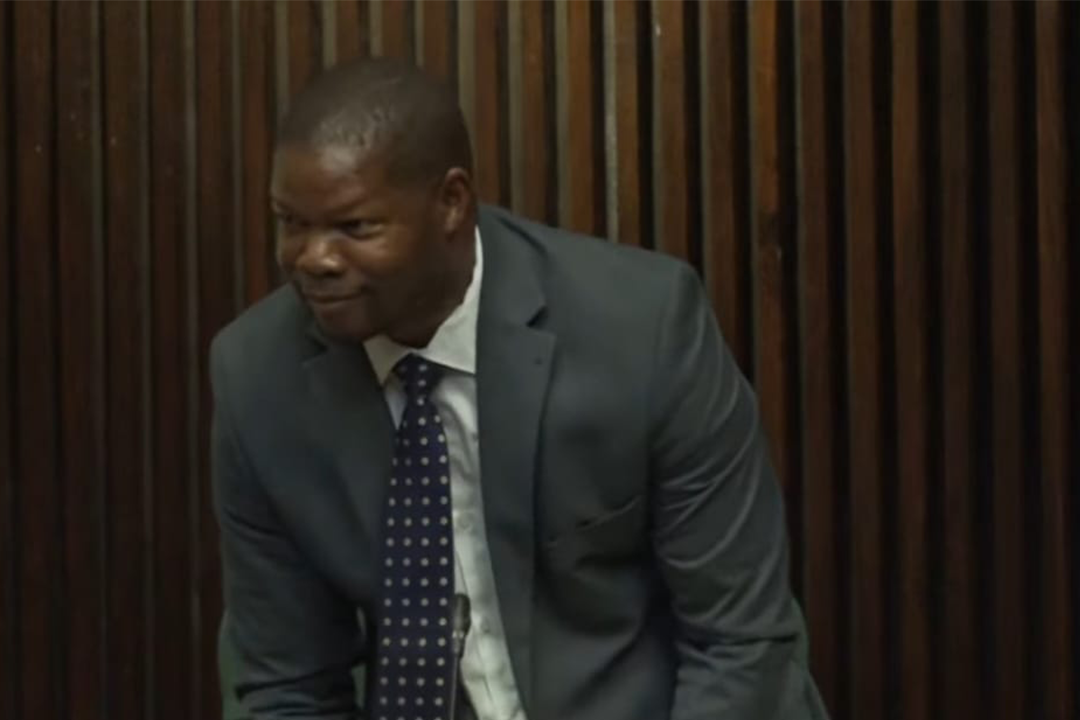
Rijkenberg did not immediately give a substantive response to the concerns raised.
Instead, the Finance Minister requested seven days to prepare a comprehensive response to the motion.
Mamba welcomed the support his motion received from fellow MPs and said he hoped the minister’s eventual response would address the constitutional provisions governing the independence of the Auditor General.
The issue will now return to the House once Rijkenberg presents Government’s response.