


BY SIFISO NHLABATSI
LOBAMBA – Government says cases where the Eswatini Electricity Company (EEC) erects electricity poles on private property without proper consultation should be isolated, insisting that the utility is required to follow procedures before putting up infrastructure on privately owned land.
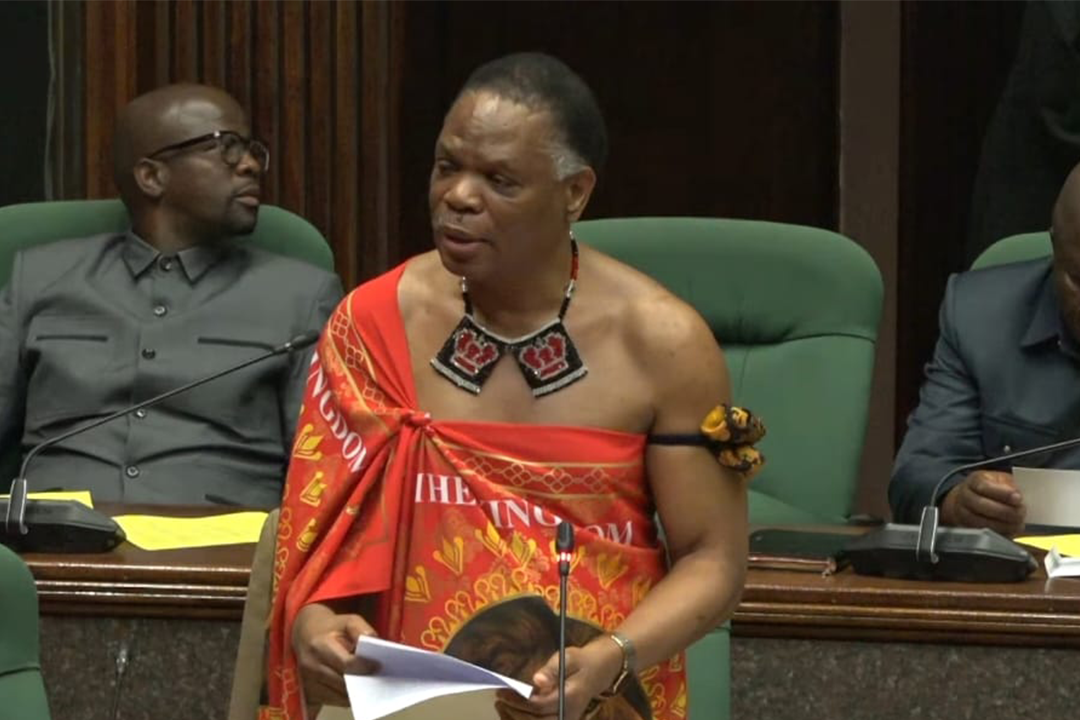
Minister of Natural Resources and Energy Prince Lonkhokhela said this in the House of Assembly on Monday while responding to a question by Mtfongwaneni Inkhundla Member of Parliament Nathi Mdockies Hlophe regarding the erection and subsequent relocation of electricity poles on or near private properties.
Hlophe had asked whether Government was aware of complaints that property owners were sometimes not adequately consulted before poles were erected, but were later required to meet the costs of relocating or removing them.
Prince Lonkhokhela said EEC could not simply erect poles willy-nilly, as the process was governed by legislation, including Sections 55 and 57 of the relevant Act.

He said where EEC identified land belonging to a private individual, the company was expected to engage the property owner and reach an agreement before erecting the pole.
The Minister said even after an agreement had been reached, EEC waited 30 days before proceeding with the erection to allow the property owner an opportunity to reconsider.
He explained that where an owner later requested the removal of a pole after agreeing to its installation, the owner could be required to pay the associated costs.
However, he acknowledged that there could be instances where a person acquired property and found that a pole had already been erected.
Under normal circumstances, he said, there should be a written agreement between EEC and the property owner.
Prince Lonkhokhela said there were no reported concerns of the nature raised by Hlophe and undertook to look into the matter.
He added that where there was a disagreement, the matter could be referred to the Eswatini Energy Regulatory Authority (ESERA) for intervention and an amicable solution.
Hlophe subsequently asked whether the agreements referred to by the Minister were documented, noting that EEC usually kept records of its activities.
#Eswatini #HouseOfAssembly #EEC #Electricity #NaturalResourcesAndEnergy #ESERA #PrivateProperty #EswatiniPositiveNews