
BY NELIWE NGUBANE
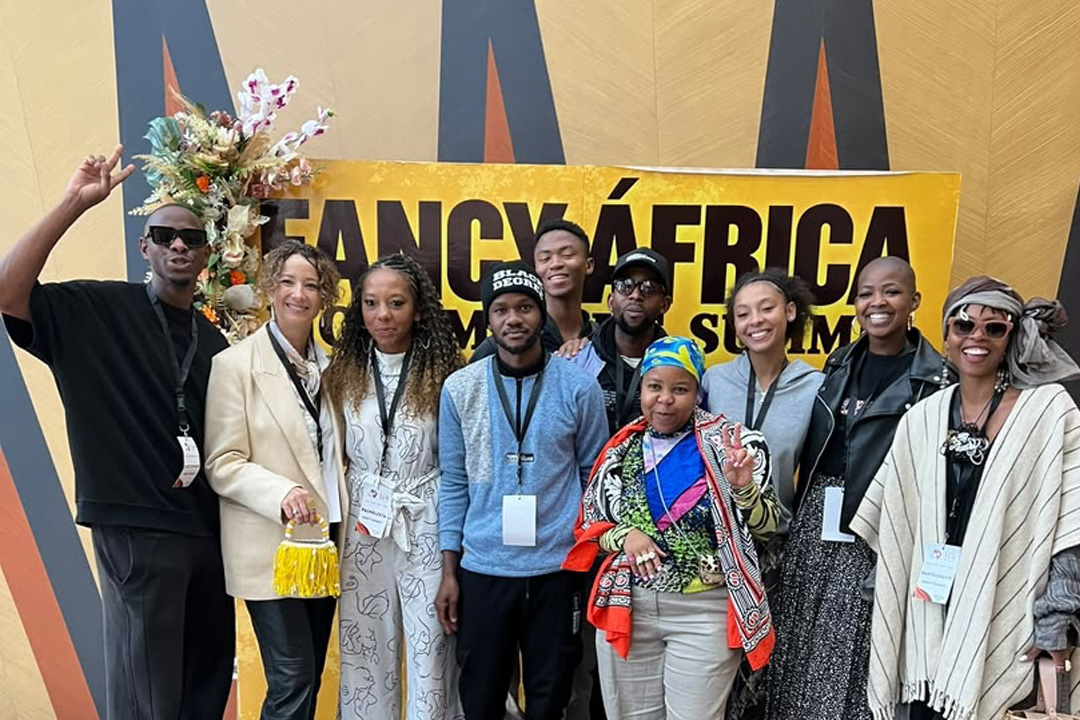
MBABANE– The Luju runway is travelling beyond Eswatini’s borders, with the festival’s organising team, designers and models taking the country’s fashion story to the Fancy Africa Summit in Maputo, Mozambique, in a move aimed at connecting homegrown creative talent with wider African markets.
Running from September 28 to October 3, 2026, Fancy Africa is marking its 10th anniversary by bringing together voices from fashion, culture, business and the creative economy, with the main programme centred around the Centro Cultural Moçambique–China.
For Eswatini’s creative sector, the participation provides more than an international runway appearance.
It creates a platform for local designers, models, entrepreneurs and cultural practitioners to build regional relationships, gain exposure and explore collaborations and commercial opportunities beyond the local market.
Representing the Standard Bank Luju Festival are Philippa Thorne, Luju Fashion Programme Curator, and Penny Bouwer, Luju Project Manager, who participated in discussions focused on sustainability and circularity in African fashion, as well as creative economy, entrepreneurship and industry development.
Bouwer said the participation was about taking Eswatini’s creative stories into a broader African conversation.
“For us, this is about taking the talent and creative stories coming out of Eswatini into a wider African space,” said Bouwer.

She said the relationship between Luju and Fancy Africa had also grown organically, with Fancy Africa founder King Levi having previously participated at Luju.
“We would like to thank King Levi, Founder of Fancy Africa, for the invitation and the opportunity to be part of the platform,” she said.
According to Bouwer, the connection demonstrates how relationships between African creative communities can develop from participation in each other’s platforms into opportunities for models, designers, entrepreneurs and cultural practitioners.
The Fancy Africa discussions also tackled some of the challenges facing creatives who want to turn their talent into sustainable businesses.
Among the issues raised were access to markets, business development, mentorship, funding, digital visibility, intellectual property, professional networks and infrastructure.
Bouwer said the discussions also examined how African creatives could take their identities and lived experiences into international spaces while developing commercially viable businesses.
“The conversation was really about what happens between having creative talent and building a sustainable creative business,” she said.
On the fashion runway, Eswatini’s representation includes Hlanhla Lukhele, Luju Fashion Show Stylist, and Makhosi Noentla Khumalo, Luju Fashion Creative Consultant.
Designer Kwenzie Zwane, through Eswatini streetwear brand Blackdegree, will showcase contemporary designs influenced by African identity, featuring bold prints and distinctive textiles.
Blackdegree’s participation follows its appearances on local fashion platforms, including the Luju Fashion Runway, and demonstrates how homegrown labels can use local platforms as stepping stones into regional creative spaces.
The Eswatini models set to participate include returning Luju runway models Alexandra Bouwer and Belinda Belcher, alongside debut Fancy Africa models Liyandza Mavimbela, Temansele Mkoko and Seluleko Mngomezulu.
Their presence adds another dimension to Eswatini’s representation, placing local modelling talent alongside designers and creative industry professionals from across the continent.
For Luju, the move forms part of a broader approach to fashion that goes beyond the runway.
The festival says its fashion programme is intended to create pathways for creatives to develop, gain visibility, connect with markets and build sustainable careers.
Its 2026 fashion programme brought together designers from across the region, creating opportunities for creative exchange and exposure.
Taking that work to Fancy Africa allows those relationships to continue outside the festival environment, with the potential for further collaborations, retail opportunities, market access and international visibility.
Fancy Africa 2026 will feature a six-day programme comprising the Fancy Africa Summit, masterclasses and workshops, Cultural Day, the Cultural Bazaar, pop-up stores, fashion showcases, live entertainment, the Fancy Africa Awards and Gala.
The exact timing of individual runway appearances and participation schedules for the Luju delegation will be communicated through the official programme.
As Eswatini’s designers and models step onto another African platform, Luju’s presence in Maputo sends a message that the country’s creative economy does not have to remain confined to its borders.
Instead, the runway becomes a starting point for building bridges between African creative communities, opening conversations about talent, business, culture and the future of the continent’s creative economy.
#SBLujuFestival #FancyAfrica #EatSwayLove #AReturnToTheAfricanFuture #EswatiniFashion #AfricanFashion #CreativeEconomy #Maputo #EswatiniCreatives
(Courtesy Pic)