


BY PHUMELELE GAMEDZE
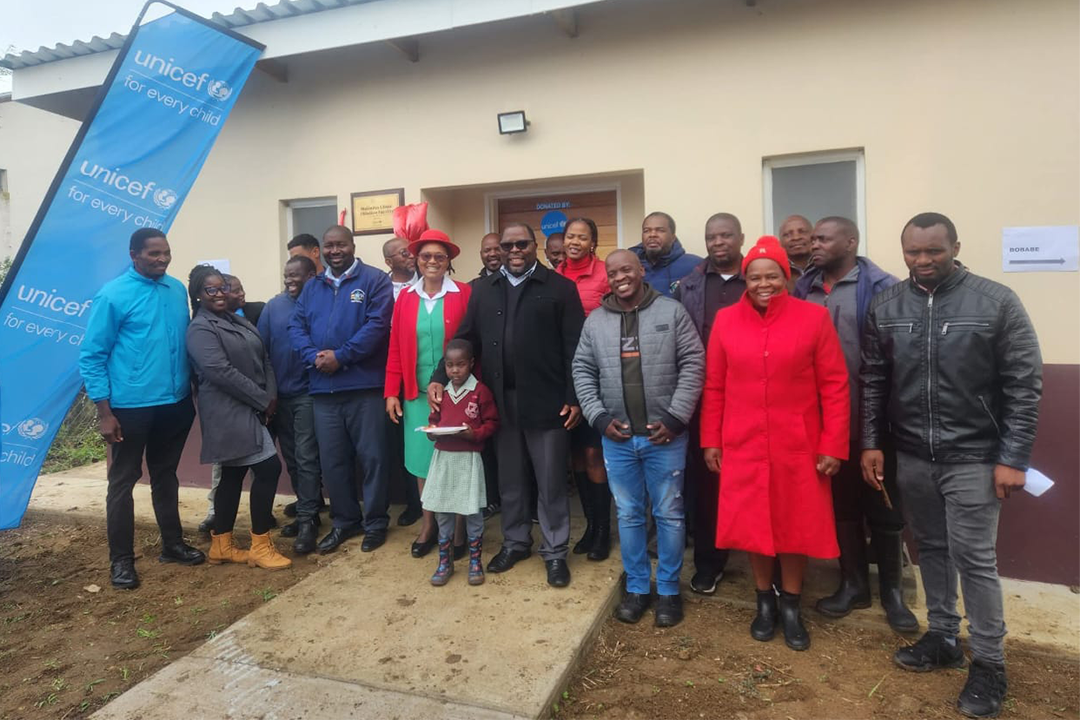
MBABANE – A visit to Malindza Clinic will now mean more than receiving medical care, as patients, mothers, children and health workers have access to new modern sanitation facilities designed to make healthcare cleaner, safer and more dignified.
The new facilities were handed over to the Ministry of Health by UNICEF, including flush toilets and facilities accessible to people with disabilities.
For a clinic serving the Malindza community, the improvement addresses a basic need that has long affected patients and staff.
Ms Nompumelelo Dlamini, representing the clinic, said the facility previously did not have enough toilets despite experiencing high patient traffic because it serves the wider Malindza community

Mr Lucky Masuku, representative of the Malindza Reception Centre, expressed appreciation for the support.
“We are very grateful to UNICEF for this much needed support,” Masuku said.
Sister Bonsile Dlamini, speaking on behalf of the Lubombo Public Health Administrator, described the development as “a significant moment for Lubombo”, saying the Malindza community was receiving a facility it had long needed.
Speaking for Malindza Umphakatsi, Mr Vilakati also thanked UNICEF, linking the new facilities to the basic sanitation standards expected in every household.
He said the toilets demonstrated what the Ministry of Health asks from communities – a decent toilet and a place to wash hands with soap and water.
The intervention also goes beyond construction.
UNICEF is supporting the Ministry of Health to make regular maintenance part of the daily running of health facilities, including planning and budgeting for water, cleaning supplies, repairs and spare parts.
The support also includes the use of the Water and Sanitation for Health Facility Improvement Tool, commonly known as WASH FIT, which helps health facilities assess risks, identify gaps, prioritise improvements and monitor progress.
WHO and UNICEF describe WASH FIT as a risk-based tool covering water, sanitation, hand hygiene, environmental cleaning, healthcare waste management and selected aspects of facility management.
UNICEF Eswatini has previously identified access to basic sanitation and hygiene as an important public-health challenge, while noting that water and sanitation-related diseases are a major concern for children.
Mr Victor Nkambule, speaking for UNICEF, said clean water, proper toilets and good hygiene are important in creating safer healthcare environments.
“When a health facility has clean water, good toilets and good hygiene, infections go down and more families trust the care they get,” Nkambule said.
The Malindza upgrade therefore puts a simple but powerful message at the centre of healthcare: a patient’s dignity does not end at the consultation room door.
For mothers, children, people with disabilities, health workers and every other person walking into the clinic, a clean and accesible toilet is part of receiving care with dignity.
#ForEveryChild #WASH #CleanWaterForAll #LeaveNoOneBehind