


BY PHUMELELE GAMEDZE
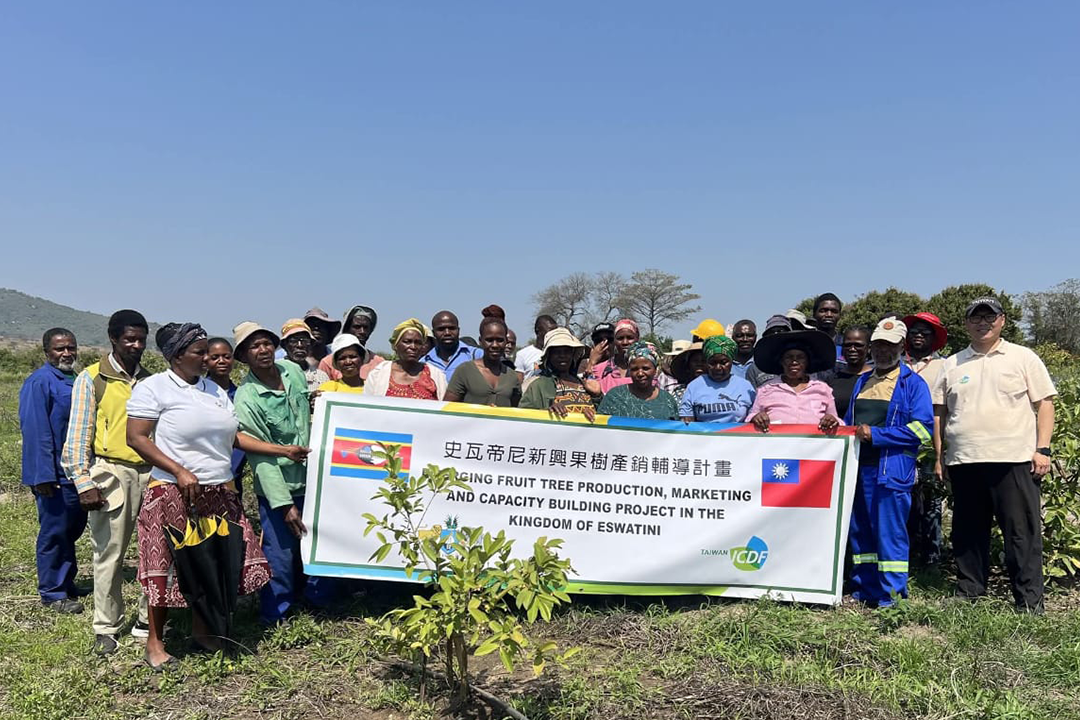
MBABANE — Fifty farmers have gained practical skills in harvesting, cooling, grading and packaging guavas as Eswatini strengthens efforts to reduce post-harvest losses and help local fruit growers reach quality supermarket markets.
The hands-on demonstration was held at a farmer’s demonstration plot under the Emerging Fruit Tree Production, Marketing and Capacity Building Project, with fruit expert Cheng Shih-Lung taking farmers through the steps needed to protect guava quality from the orchard to the consumer.
Instead of learning only in a classroom, farmers moved through the orchard and practised identifying maturity, harvesting fruit correctly and grading it according to quality.
The training comes as the project works to strengthen Eswatini’s emerging fruit industry, particularly guava, dragon fruit and strawberries, while creating stronger links between farmers and markets.

According to TaiwanICDF, the project is being implemented from 2024 to 2027 in partnership with the Taiwan Technical Mission in Eswatini, the Ministry of Agriculture’s Malkerns Research Station, Eswatini Water and Agricultural Development Enterprise (ESWADE) and the Eswatini National Agriculture and Marketing Board (NAMBoard).
By June 2026, the project had conducted 27 training courses covering crop management, post-harvest treatment and marketing, benefiting 982 people. It had also assisted farmers in selling fruit to local chain supermarkets, with a reported total output value of US$1.18 million.
During the demonstration, farmers were shown why harvesting methods matter. They were encouraged to harvest during cooler periods, use clean and disinfected pruning shears and avoid excessive stacking that can bruise the fruit.
Farmers were also taught the importance of moving freshly harvested guavas into shade and cooling them quickly. The Food and Agriculture Organisation (FAO) notes that removing field heat soon after harvest helps maintain quality, while delays in cooling can shorten post-harvest life. It also recommends protecting produce from direct sunlight and avoiding rough handling that causes bruising.
The demonstration further focused on an organised packing process involving receiving, cleaning, grading, packaging and cold storage.
For farmers, these may appear to be small changes, but they can determine whether fruit reaches consumers in attractive condition or loses value before reaching the market.
The project’s broader results show that this practical approach is already being extended across Eswatini. Previous project activities have included farmer training, seedling production, orchard expansion and support for collective marketing.
For the 50 farmers at the demonstration plot, the message was clear: producing good guavas is only part of the job. Protecting that quality after harvest can be just as important in turning a successful harvest into a successful business.
#EswatiniAgriculture #GuavaFarmers #FruitTreeProject #SupportingFarmers