


BY PHUMELELE GAMEDZE
MBABANE – Eswatini authors are pushing for a stronger book industry that can develop writers, create creative business opportunities and take local stories to readers across Africa and beyond.
The call comes ahead of the inaugural African Christian Authors BookFest, scheduled for October 17 at Bethel Court in Ezulwini, bringing together authors, publishers, booksellers and other players in the publishing industry.
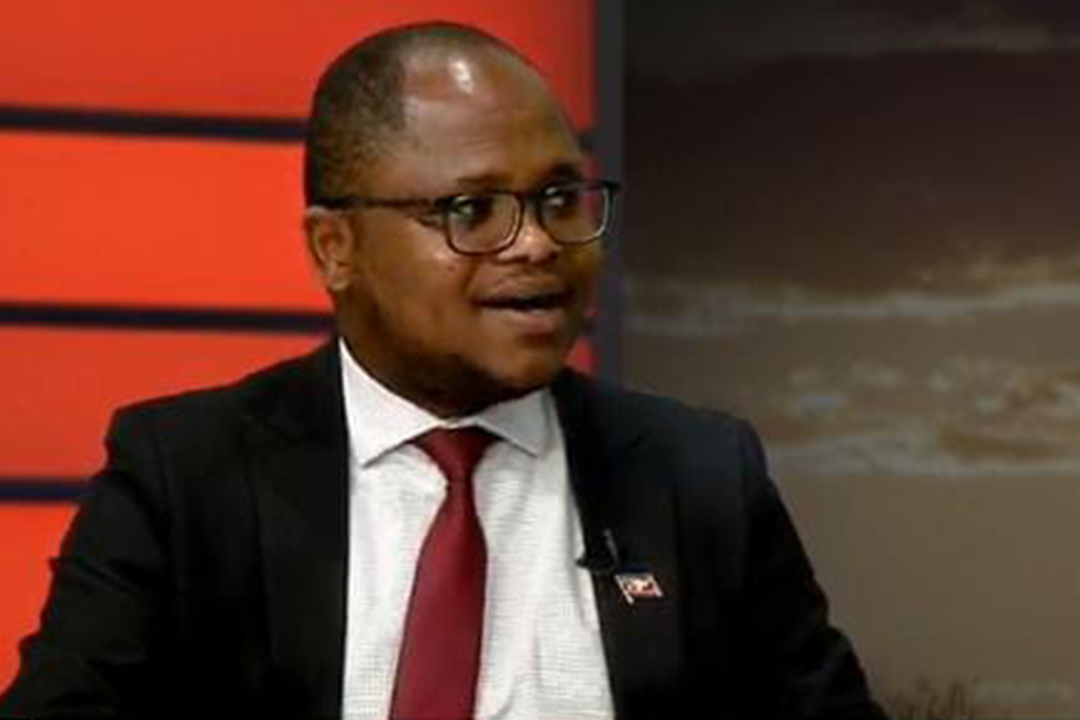
Speaking on the Kusile Breakfast Show at Eswatini TV, author Stanley Mkhwanazi said the idea for the gathering grew from his experience at the African Christian Authors Book Awards in Kenya, where his book won the Best Christian Living category and was runner-up for Book of the Year.
Mkhwanazi said the recognition prompted discussions on how Christian authors in Eswatini could become better organised and supported.

“When you look at the entire ecosystem, it’s not yet well developed,” he said.
He explained that publishing a book goes far beyond writing, as authors need editors, proofreaders, graphic designers, printers, marketers, booksellers and distributors.
“It’s an entire value chain,” Mkhwanazi said.
His concerns come against a publishing environment that UNESCO has identified as having limited infrastructure. Its 2025 assessment recorded two publishing houses, 20 titles published in 2023, 38 bookstores and 17 public libraries
Mkhwanazi said Eswatini has talented people with powerful stories, but many struggle to find the time and structure needed to turn those experiences into books.
Through a 14 week writing programme linked to CLC Kenya, aspiring writers are guided to produce chapters weekly and work towards completing a manuscript.
However, he said having a story is not enough.
“Everyone has a story but it’s how you package the story to be relatable to other people,” he said.
He believes authors must also learn how to market their work and understand their readers.
For Mkhwanazi, social media has become an important tool, with Facebook generating most of his book orders.
He also encouraged authors to explore e-books and audiobooks to reach people who may not have time to read physical books.
The challenge is not only producing books but also developing a culture of reading and buying local literature.
Mkhwanazi said he has seen encouraging signs, including people buying local books and parents introducing reading to their children.
The World Bank reported in January 2026 that only 2 per cent of children in Eswatini owned three or more books, while its Read@Home pilot reached more than 700 children in four communities with books in SiSwati and English.
Mkhwanazi said the October BookFest could help expose local writers to wider African networks, collaborations and opportunities.
The official ACABA programme lists the event for October 17 at Bethel Court, Ezulwini, with author showcases, networking, a keynote on writing and publishing, and a writers’ mentorship graduation.
For Mkhwanazi, the message to Emaswati is simple: support local authors.
He encouraged people to attend the BookFest and make buying a local book part of their routine.
The gathering, he said, is not simply about celebrating books, but about building the people, businesses and networks behind them.
#EswatiniAuthors #AfricanChristianAuthors #BookFest2026 #SupportLocalAuthors