




BY SIFISO NHLABATSI
EZULWINI – The African Union (AU) is seeking to transform Africa’s seed sector through increased investment, stronger regulations and greater access to quality and climate-resilient seed for farmers.
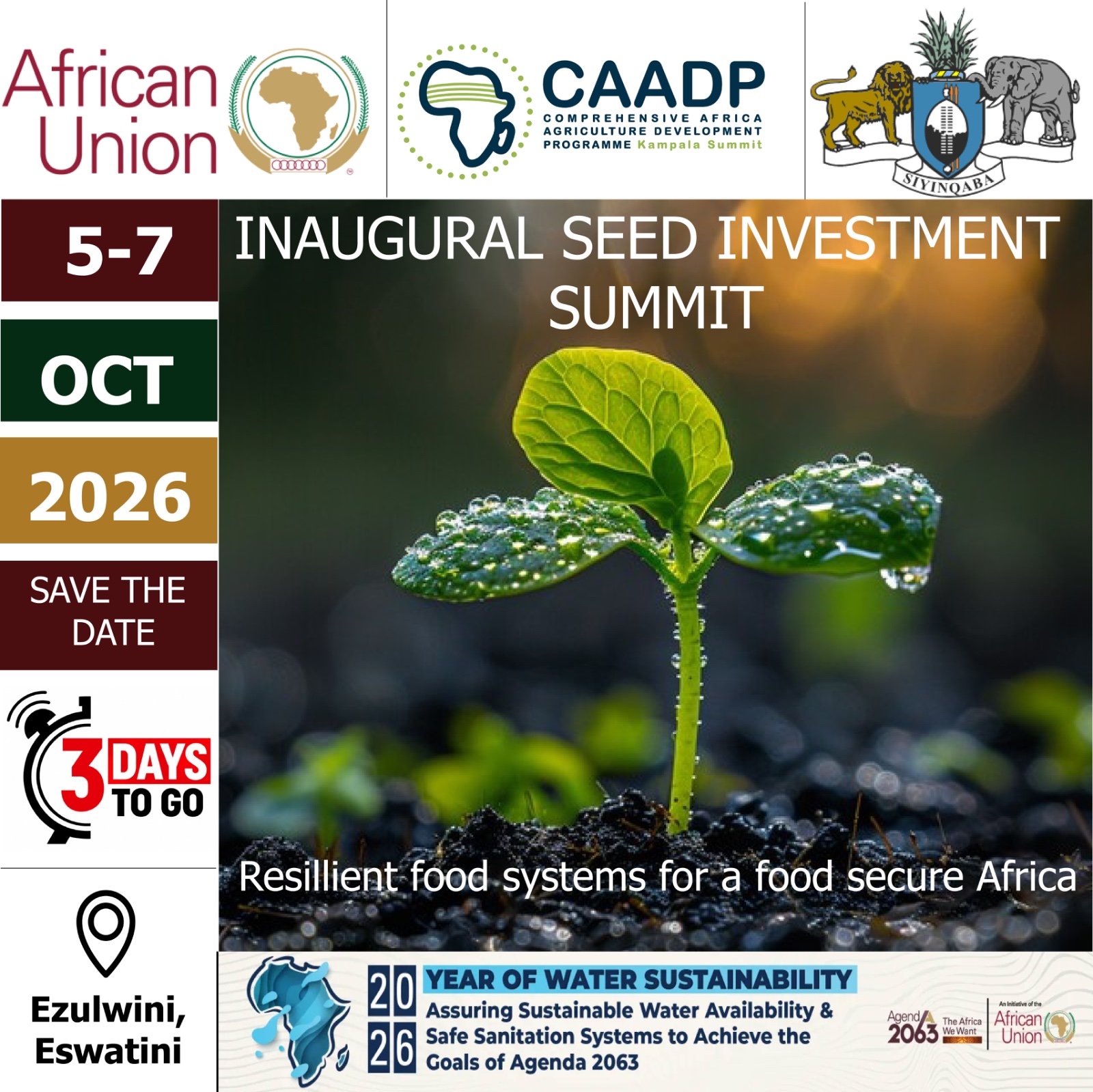
This is the main objective of the Africa Seed Investment Conference, which gets underway in eZulwini today and runs until Wednesday under the theme, “Resilient Seed Systems for a Food Secure Africa.”
The conference brings together governments, farmers, researchers, financial institutions, the private sector, regional economic communities and development partners to identify practical solutions to challenges affecting Africa’s seed systems.
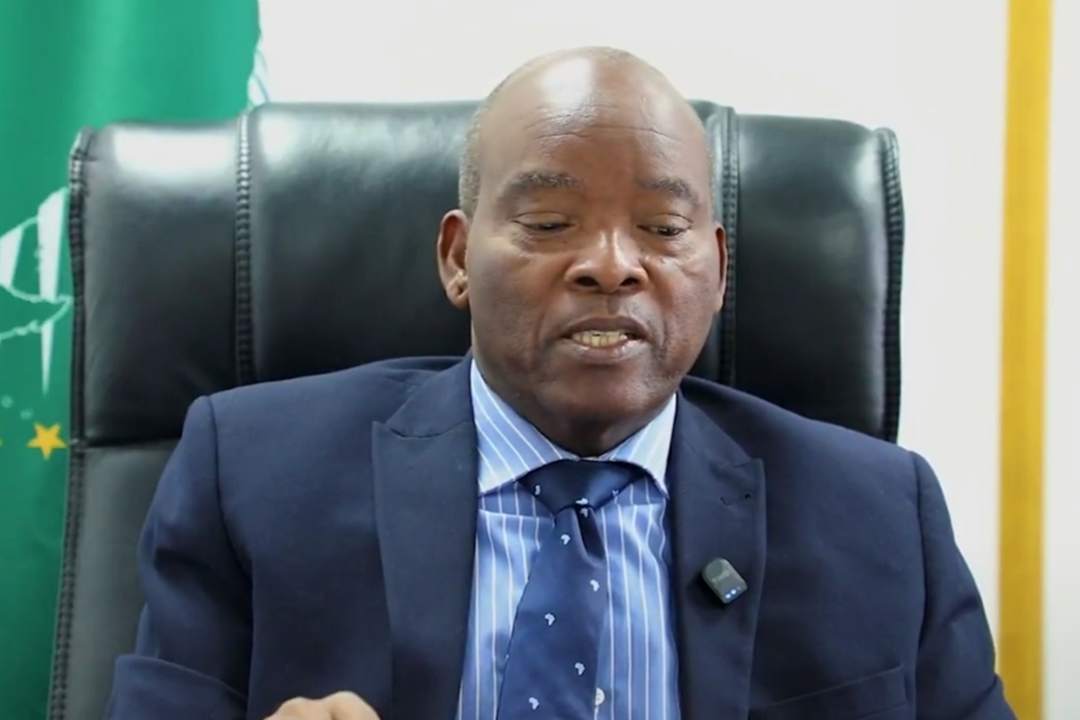
Speaking on behalf of the African Union Commission, AU Commissioner for Agriculture, Rural Development, Blue Economy and Sustainable Environment (ARBE) Moses Vilakati said the conference sought to move Africa from policy commitments to tangible improvements for farmers.
He said Africa’s food security begins with the seed, noting that quality seed had the potential to improve productivity, nutrition, rural economies and the resilience of livelihoods.
However, Vilakati said many African farmers continued to struggle to access quality, affordable and climate-resilient seed at the right time.
He identified weaknesses in the implementation of seed regulations, insufficient investment in research and breeding, limited access to improved varieties, counterfeit seed and the abandonment of indigenous and resilient seed varieties as some of the challenges facing the continent.
“We must move from policies on paper to quality seed in farmers’ hands,” Vilakati said.
He said the conference was being held against the backdrop of the implementation of the Comprehensive Africa Agriculture Development Programme (CAADP) Kampala Declaration, which provides a continental framework for accelerating agricultural transformation.
Vilakati said the gathering was therefore intended to serve as a platform for political commitments and investment in Africa’s seed sector.
Over the three days, delegates are expected to deliberate on stronger implementation of seed policies and regulations, increased public and private investment, regional harmonisation, inclusive seed systems, biotechnology and digital innovation.
The conference will also focus on aligning the Africa Seed and Biotechnology Programme with the CAADP Kampala agenda.
According to Vilakati, one of the key outcomes expected from the conference is the adoption of the eZulwini Declaration on Africa’s Seed Systems.
Delegates are also expected to work towards a revised 10-year Africa Seed and Biotechnology Programme Action Plan, as well as an African Union framework on farmer-managed seed systems.
Vilakati said the programme was designed to take the discussions beyond technical consideration by senior officials and into high-level ministerial deliberations.
He stressed that the success of the conference should ultimately be judged by the practical changes it brings to farmers rather than by the number of declarations or strategies adopted.
“Declarations alone will not transform the African agriculture system. We therefore need investment, we need innovation, we need stronger institutions and, above all, we need implementation,” he said.
He called on governments, the private sector, researchers and other stakeholders to use the conference to commit to concrete action capable of strengthening Africa’s seed systems.
Vilakati said the continent’s agricultural strength would ultimately be measured by the difference its strategies made in the fields of farmers.
The conference is being held in line with an African Union Assembly executive decision taken in February 2026 and forms part of broader efforts to strengthen food security and agricultural resilience across the continent.
#AfricaSeedInvestmentConference #SeedSystems #FoodSecurity #AfricanUnion #Eswatini #Agriculture #CAADP #KampalaDeclaration


