

BY NELIWE NGUBANE
MBABANE— When a song carries the weight of losing a father, getting the approval of a respected voice in the South African music industry can add another layer to its journey.
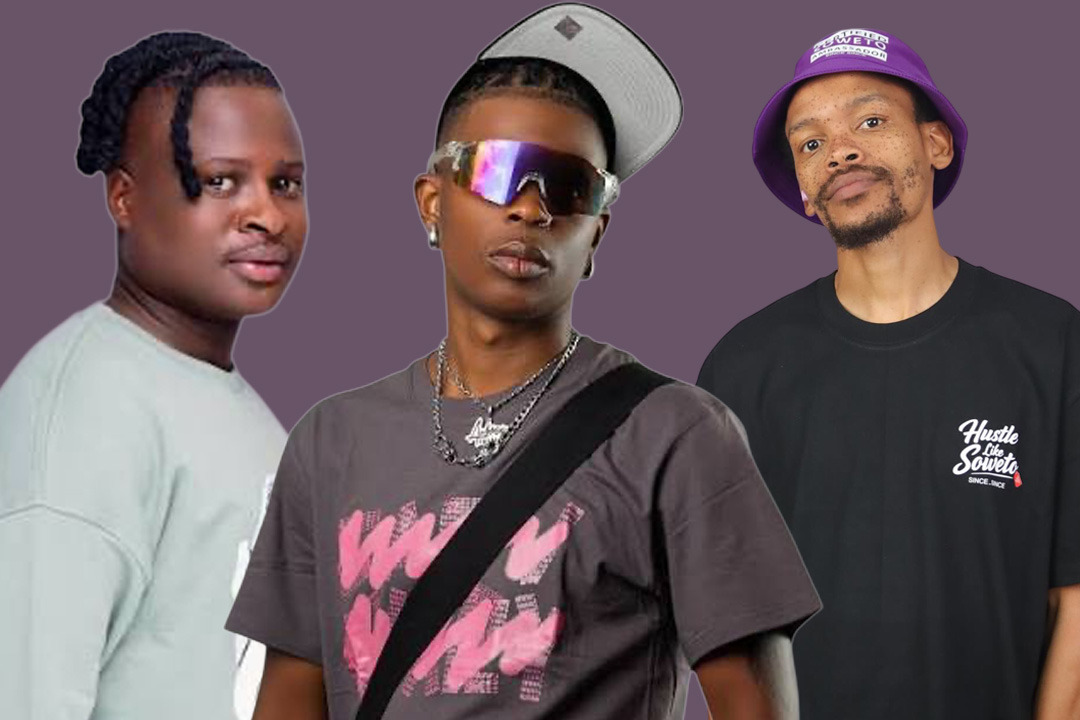
For Eswatini multi-award-winning artist Young Zesh and South African singer Aubrey Qwana, that moment came when outspoken music executive and Music Pulse host Nhlamulo “Nota” Baloyi gave their emotional collaboration Ubaba his approval during a podcast session.
The song, which means ‘Father’, has already stepped beyond its original release campaign and is now available across digital streaming platforms, giving listeners a record built around grief, memory, family and appreciation.
Nota’s endorsement is significant because it comes from a figure deeply involved in conversations around the South African music business. Known for his work as a music executive, producer, rapper and industry commentator, Nota has built a reputation for speaking boldly about artists, music careers and the business behind the entertainment industry.

In 2026, he joined Music Pulse as a host following the podcast’s transition from Piano Pulse to a broader platform covering genres beyond amapiano. The revamped show has expanded its conversations to include hip-hop, house, Afro-house, gospel, maskandi and other sounds, with Nota bringing his industry experience and outspoken perspective to the panel.
It was during this Music Pulse conversation that Ubaba received the nod, with Nota approving the record while discussing the music and the artists behind it.
For Young Zesh, the moment comes at an important stage in what he describes as a new musical journey.
The Eswatini artist, born Mzwandile Comfort Ginindza and originally from Somnjalose, has steadily built a name through a sound that brings together Afro-pop, hip-hop and Swati cultural influences.
His breakthrough came around 2021 with Kakhoza, which helped put his name on the local music map and earned him a Best Newcomer nomination at the MTN SWAMA Awards. He has since released songs including Ungangikhaleli, Boludvonga and Senibeketele, while earning six nominations at the 2024 National Arts Awards.
His catalogue has also included culturally significant collaborations, including Giya with Princess Buhlebetive, further reflecting his ability to connect contemporary music with Eswatini identity.
But Ubaba presents a more vulnerable Young Zesh.
The song was inspired by his personal experience of losing his father before he could accomplish everything he had hoped to do for him.
Its emotional core is built around a reality that many listeners can identify with — being told, “You look just like your father,” or “You are just like your father,” while the person being compared to is no longer alive to witness who their child has become.
“‘Ubaba’, meaning ‘Father,’ is a very personal and emotional song for me and Aubrey Qwana,” Young Zesh said.
The record also explores the loneliness left behind after a father dies, particularly for a mother who loses her partner.
However, Young Zesh has deliberately taken the story beyond his own grief.
His message is for anyone who has lost a father, parent or someone who played a fatherly role in their life, and for those who still have their parents with them.
The message is simple: appreciate people before their absence becomes the thing that makes their value obvious.
That emotional storytelling is where Aubrey Qwana fits naturally into the picture.
The South African singer, songwriter and creative has established himself through a distinctive fusion of Afro-pop, Maskandi, Mbaqanga, AmaZion, hip-hop and R&B. His musical journey has included collaborations with names such as Sho Madjozi, Emtee, Stilo Magolide, DJ Tira and Major League DJz.
Qwana first made his professional debut in 2018, while his breakthrough came with Molo, which became a major success and helped establish his distinctive sound. His background also extends beyond music, with the artist having studied graphic and fashion design.
That combination of musicality, visual creativity and emotional storytelling makes his contribution to Ubaba particularly fitting.
Young Zesh said the collaboration was never about simply putting two artists on one track.
“We were not simply trying to make a song together; we were trying to tell a story that people could connect with,” he said.
Recorded at ShowThemFlames in Sandton, South Africa, Ubaba was produced by Nkululeko Sithole and Stanley Khoza, with Sean Cast HQ handling the mixing and mastering.
Sonically, the record blends Afro-pop, contemporary African sounds and soulful elements, allowing the vocals and story to remain at the centre.
And now, with the song available on streaming platforms, the conversation has moved from anticipation to audience reception.

The official release is credited to Young Zesh and Aubrey Qwana, with the single released on October 2, 2026 through Mabonwa Abulawe Records.
Young Zesh has described the project as the beginning of a new musical chapter for him, while Nota’s Music Pulse approval adds an industry voice to the song’s growing journey.
For a record about fathers, however, perhaps its biggest achievement will not be a podcast endorsement or a streaming number.
It will be the listener who presses play, thinks about their own father and decides to make that phone call.
Because Ubaba is ultimately asking one question through music: what if we appreciated the people we love before we had to miss them?
For Young Zesh, the answer is already embedded in the song.
“‘Ubaba’ is our way of saying: we remember you, we miss you, and everything you taught us continues to live through us,” he said.
And with Nota now adding his approval to the conversation, the emotional record has another reason to keep pulsing through the Southern African music scene.
#YoungZesh #AubreyQwana #Nota #MusicPulse #Ubaba #EswatiniMusic #SwaziMusic #SouthAfricanMusic #NewMusic #AfroPop #Maskandi #HipHop #AfricanMusic #EntertainmentNews #EPN
(Courtesy Pics)


