



BY SIFISO NHLABATSI
EZULWINI – The Food and Agriculture Organization of the United Nations (FAO) has challenged African countries to ensure that the Ezulwini Declaration does not become another continental commitment without action on the ground.
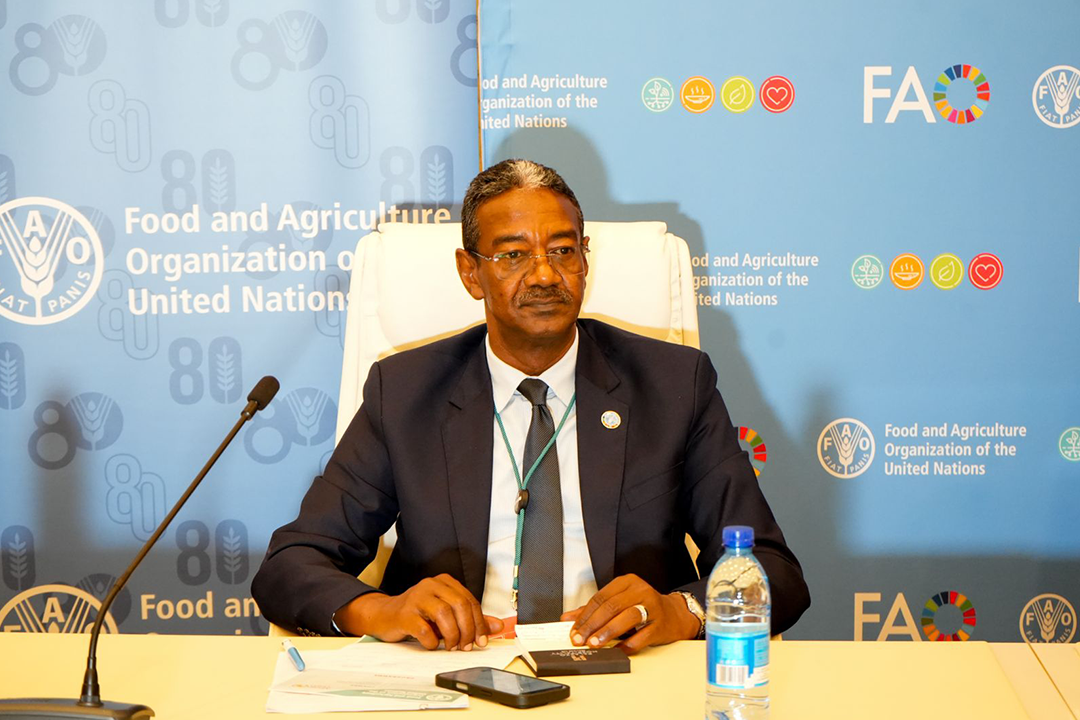
FAO Deputy Regional Representative for Africa Ayman Omer said the declaration adopted from the inaugural African Union Africa Seed Summit must contain clear priorities, funding requirements, responsible institutions and deadlines.
Omer said African farmers should ultimately be able to see the difference in their fields and household food budgets.
“All of this has to be measured. The Ezulwini Declaration should leave here with costed priorities, named responsibilities and a timetable,” he said.
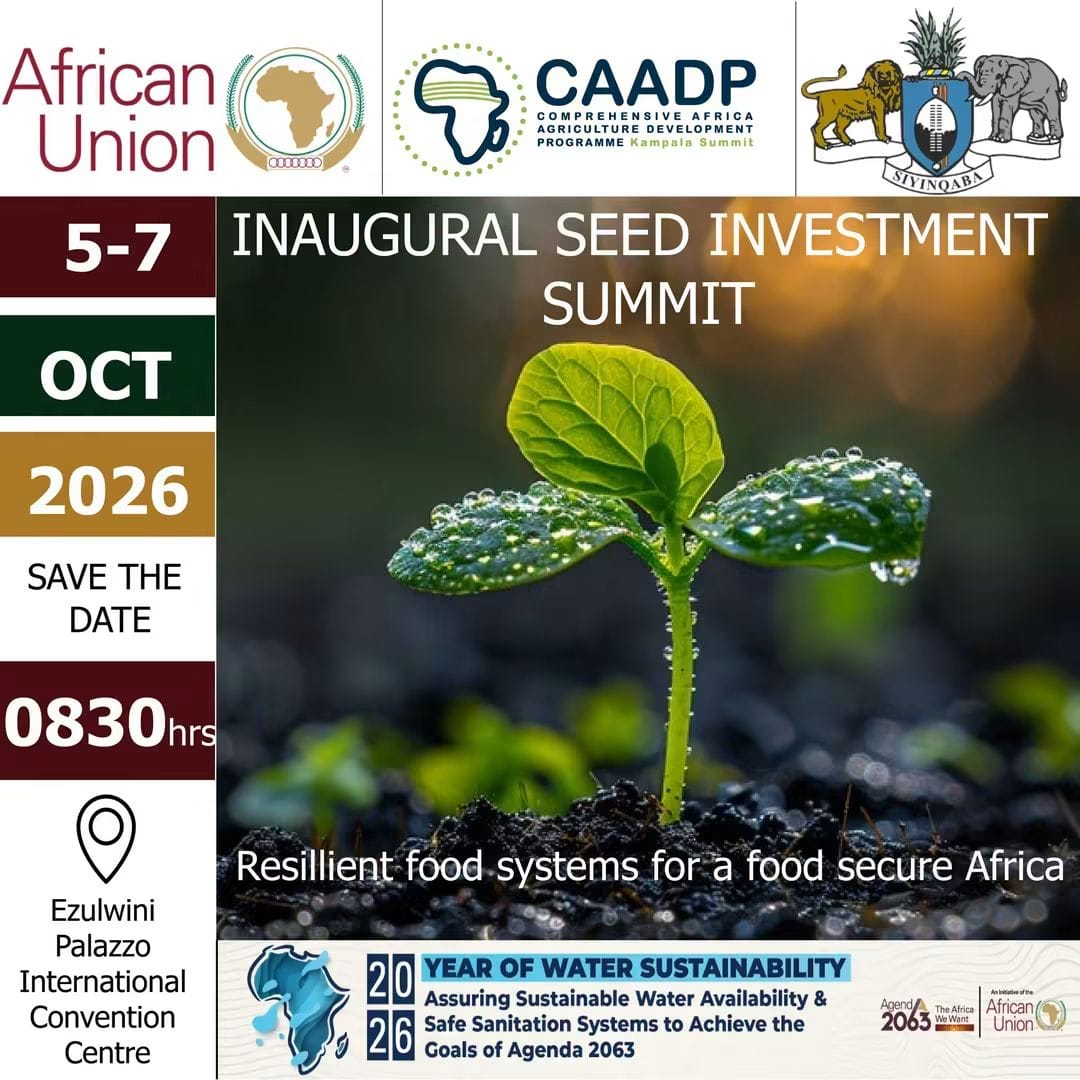
He was speaking during a sideline event of the three-day Africa Seed Summit held at the Ezulwini Palazzo Convention Centre, which brought together African ministers, policymakers, researchers, farmers’ organisations, development partners and players in the seed industry.
Omer said the success of the summit should not be measured by the number of speeches delivered or commitments made, but by whether farmers could actually access quality seed.
He said the key question was whether more African farmers would be able to obtain seed they trusted, suited to their local conditions, affordable and available when it was time to plant.
“The return on what is decided in the Summit must be visible in farmers’ fields and in families’ food budgets. That is the standard Ezulwini Declaration should set,” Omer said.
The FAO official said Africa’s target of increasing agrifood output by 45 per cent by 2035, under the Kampala Comprehensive Africa Agriculture Development Programme (CAADP) Declaration, would not be achieved without a functional seed system.
He said developing improved varieties was only part of the challenge.
“A promising variety or breed changes nothing if it never reaches the farmer,” Omer said.
According to Omer, investment was needed across the entire seed chain to ensure that innovation moved from laboratories and research centres into farmers’ fields.
He said about 90 per cent of seeds of selected crops planted by Africa’s smallholder farmers came from farmer-managed systems and local markets.
This, he said, meant that farmer-managed seed systems could not simply be ignored in favour of formal commercial systems.
“The goal is not to choose between formal and farmer-managed seed systems, but to harness the strengths of both so that every farmer can access the right seed, at the right time, at the right price,” he said.
Omer also warned that counterfeit and falsely labelled seed posed a direct threat to farmers and legitimate businesses.
He called for competent inspectors, functional laboratories and stronger action against poor-quality and falsely labelled seed.
He said such measures would also help restore confidence among financial institutions and encourage investment in the seed sector.
Omer further said the African Continental Free Trade Area could open a much larger market for African seed producers, but only if countries moved beyond adopting agreements and implemented mutual recognition, plant-health safeguards and predictable trading procedures.
Agriculture Minister Mandla Tshawuka said Eswatini supported stronger regional cooperation in seed production and trade.
“Seeds do not recognise national borders, and neither do climate change, food insecurity and emerging agricultural threats,” Tshawuka said.
He called for harmonised policies, stronger regional seed markets and mechanisms allowing quality seed to move efficiently across Africa.
The minister said no single country could build a resilient continental seed system alone.
Omer said FAO was ready to support African countries with technical expertise in seed policy, plant genetic resources, quality assurance, plant health and investment design.
The challenge now, he said, was to turn the Ezulwini commitments into results that farmers could see and afford.
#AfricaSeedSummit #EzulwiniDeclaration #FAO #SeedSystems #SeedSecurity #FoodSecurity #AfricanAgriculture #AfCFTA #Farmers #AgriculturalTransformation