



BY GCWALISILE MHLABANE
MANTAMBE — For young people in Shiselweni 1, having skills is not enough if there are no opportunities to use them and no seat at the table when decisions about their communities are made.
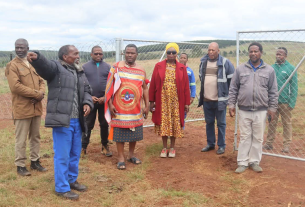
This was the message from youth who gathered at Mantambe Inkundla on October 7, 2026, calling for greater involvement in community development and more opportunities to help shape decisions affecting their future.
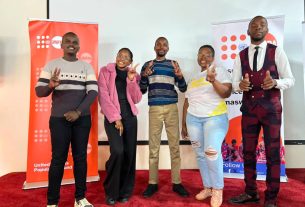
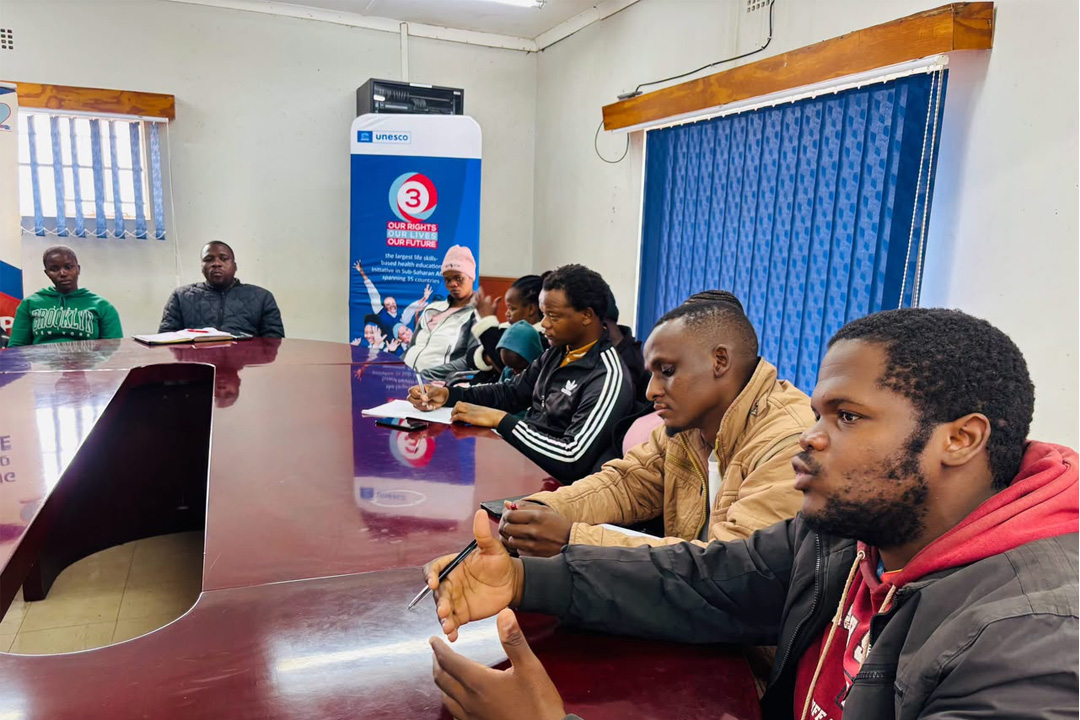
The dialogue was organised by NATICC in partnership with UNESCO through the Life Skills Education initiative and brought young people and community members together to discuss challenges and identify practical, community-led solutions.
Participants highlighted limited economic opportunities, inadequate income-generating skills and limited youth involvement in community decision-making as key concerns.
“Young people need skills, opportunities and a voice in community development,” participants said.
They called for increased skills development, mentorship and positive role modelling to equip young people with practical knowledge and confidence to pursue economic opportunities and contribute to their communities.
Participants said access to income-generating skills was particularly important in helping young people become more self-reliant and contribute to their households.
They also stressed the need for positive role models and mentors who can guide young people as they make decisions about education, employment, entrepreneurship and their future.
The dialogue further highlighted the importance of life skills education across generations.
Participants said life skills should not be viewed as an issue affecting young people alone, but should involve parents, community leaders and elders.
“Life skills are for everyone — young people, parents, leaders and elders,” participants said.
They noted that stronger communities can be built when generations share knowledge, learn from one another and work together to address common challenges.
The engagement also provided an opportunity for the community to identify priority areas for follow-up as implementation of the Life Skills Education programme progresses.
NATICC and UNESCO’s engagement created space for community members to contribute to the direction of the programme and identify issues requiring further attention.
For the youth of Shiselweni 1, the dialogue was more than a discussion of challenges. It was an opportunity to put forward what they need to build better futures — practical skills, meaningful opportunities and a stronger role in the development of their communities.
The engagement ultimately strengthened community ownership of the programme and established areas for continued engagement as the initiative moves forward.
(Courtesy Pic)