



BY SIFISO NHLABATSI
MBABANE – Artificial intelligence (AI) is helping Eswatini strengthen the prevention and early detection of chronic diseases, with digital health initiatives already supporting diabetic eye screening and patient follow-ups across the country.
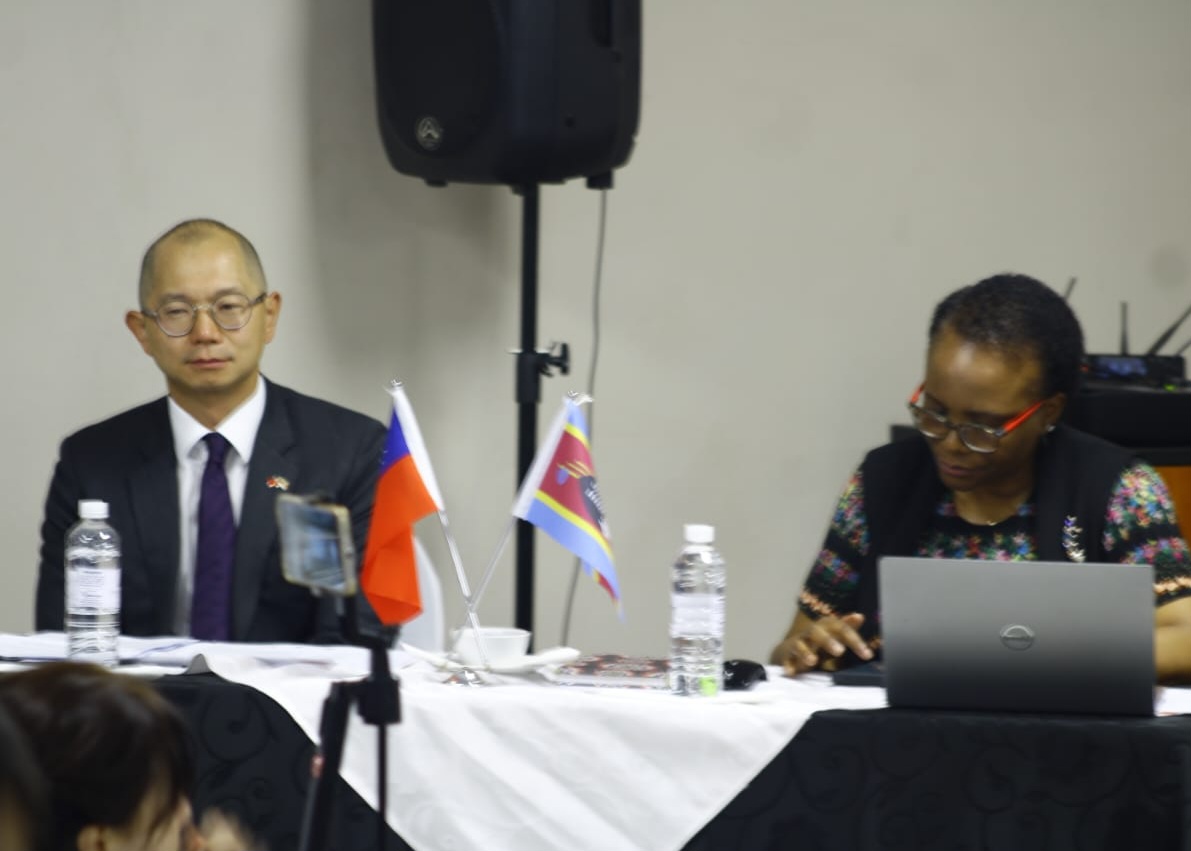
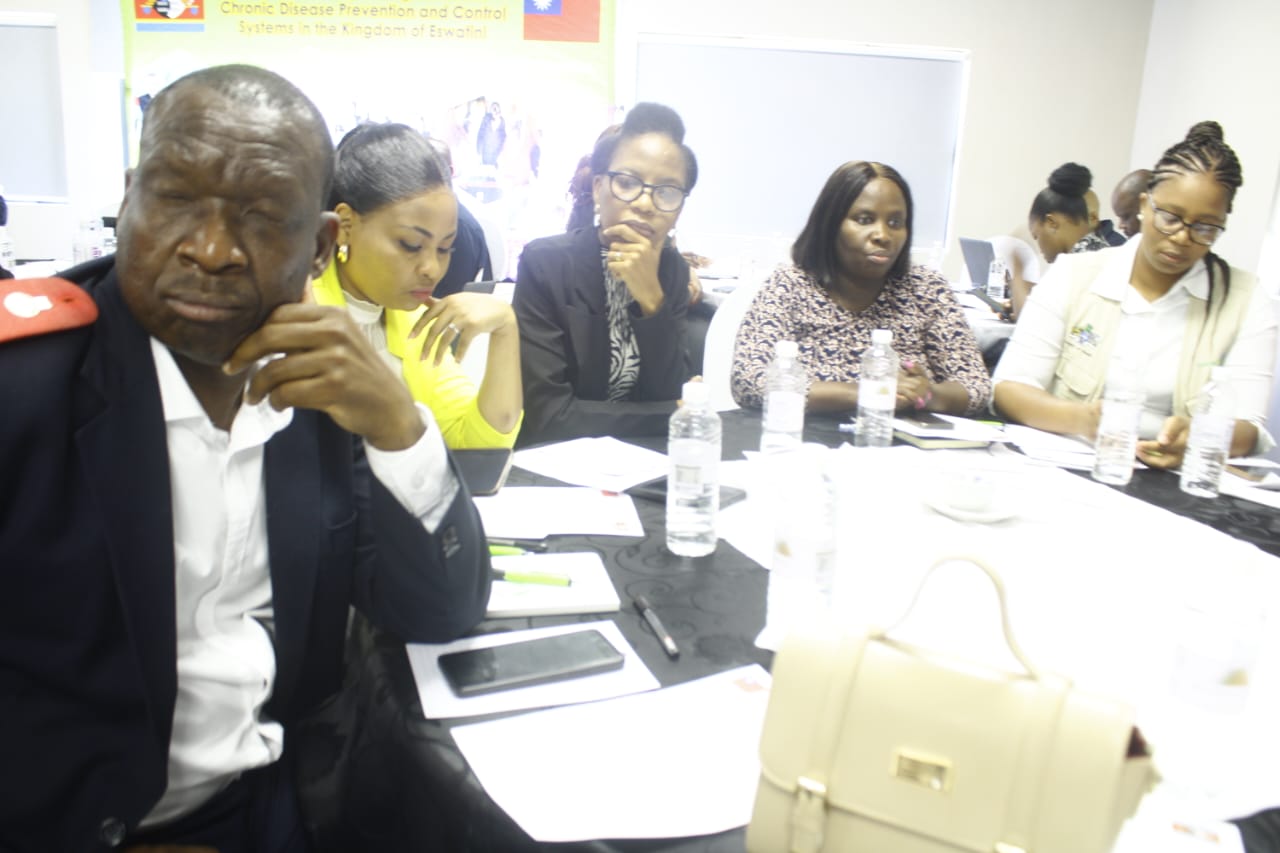
This was highlighted by Sicelo Ndlandla, Digital Health Associate at the Clinton Health Access Initiative (CHAI) Eswatini, during the Taiwan-Eswatini Bilateral Seminar on Smart Healthcare and Chronic Disease Prevention held at Mountain View Inn on October 16, 2026.
Ndlandla presented two initiatives demonstrating how technology can help health workers identify health risks earlier and keep patients connected to care beyond their visits to health facilities.
“Smart healthcare” brings together connected devices, artificial intelligence and real-time data to inform healthcare decisions. The approach includes AI-assisted screening, remote monitoring and patient engagement, with the aim of improving the management of chronic conditions.

One of the initiatives is the Eswatini Diabetic Eye and Foot Screening (EDEFS) project, which uses an AI-enabled device to screen patients with diabetes for diabetic retinopathy, a condition that can cause preventable blindness.
According to Ndlandla’s presentation, the initiative had completed 1,119 screenings across four facilities. The system also generates automated alerts to identify high-risk patients requiring urgent referral.
The project demonstrates how AI-assisted screening can bring specialised detection capabilities closer to patients, including at primary healthcare level.
However, Ndlandla emphasised that technology alone cannot guarantee better health outcomes. Screening results must be documented, patients referred and treatment provided.
“The device only does half the job – screening without follow-up changes nothing,” the presentation states.
The initiative is supported by Taiwan’s International Cooperation and Development Fund (ICDF), which provides the AI-enabled screening device, while the Ministry of Health provides the platform used to document results and track patients through referral.
Another initiative, TextWell4Health, uses short message service (SMS) technology to support patients living with diabetes and hypertension.
The programme had enrolled 358 patients and sent 4,893 messages, including educational information, reminders and other patient engagement messages.
The initiative allows healthcare support to continue between appointments, helping patients remain connected to care after leaving health facilities. ICDF currently funds the SMS costs for this non-communicable disease programme.
Ndlandla’s presentation highlighted the importance of strengthening digital systems so that patient information can be shared effectively across facilities and health programmes.
The presentation also identified opportunities to expand AI-assisted screening, introduce predictive risk classification to identify patients who may deteriorate or miss appointments, and develop a single connected patient record.
Such improvements could help health workers intervene earlier and reduce the risk of patients being lost to follow-up.
Ndlandla noted that connectivity and reliable electricity remain challenges in some facilities, particularly in rural areas. Digital literacy, system integration and sustainable financing are also essential to ensuring that the initiatives can grow beyond their current reach.
The presentation recommended strengthening digital infrastructure, expanding proven initiatives, developing an appropriate governance framework for AI use and securing long-term financing.
#EswatiniPositiveNews #SmartHealthcare #ArtificialIntelligence #DigitalHealth #HealthcareInnovation #ChronicDiseasePrevention #TaiwanEswatini