



BY THEMBA ZWANE
MBABANE – Nigeria-born journalist and political analyst, Adekunle Owolabi, has praised Eswatini Positive News (EPN) for its role in telling positive stories about the Kingdom, emphasising the importance of African media in shaping balanced narratives about their countries on the international stage.
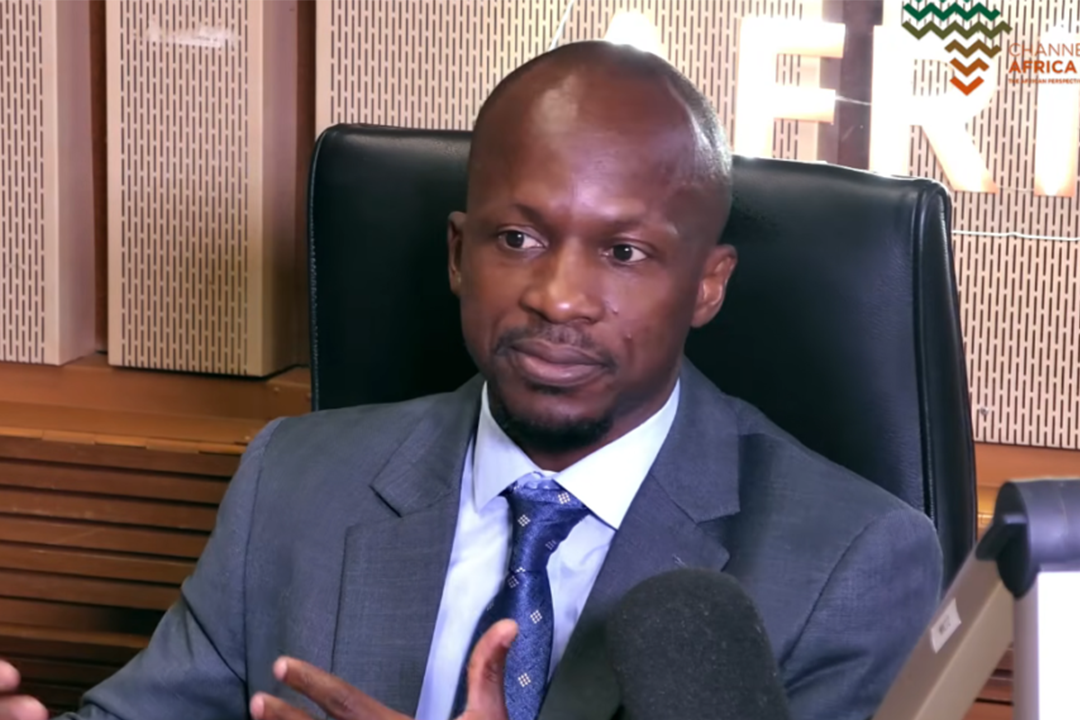
Speaking during an interview on Channel Africa’s Journal Africa programme with presenter Mmatsheko Mosito, Owolabi highlighted the need for African newsrooms to give greater attention to the continent’s development, economic opportunities, cultural diversity and achievements, rather than allowing negative coverage to dominate international perceptions.
He identified Eswatini Positive News, alongside the Times of Eswatini and the Eswatini Observer, as local media organisations with an important role to play in strengthening digital journalism and ensuring that audiences gain a broader understanding of developments in the Kingdom.
Owolabi argued that international reporting about Eswatini had often focused on controversy, leaving limited room for stories about the country’s cultural heritage, tourism attractions, development initiatives and major events.

Using the Kingdom as an example, he questioned whether international coverage always captured the full picture of events, including celebrations surrounding His Majesty King Mswati III’s birthday.
He also cited the opening of the Ezulwini Palazzo International Convention Centre (ICC) and the hosting of major African Union-related engagements as developments deserving greater international recognition.
His remarks underscored the importance of local media outlets such as EPN in bringing these stories to wider audiences and contributing to a more comprehensive understanding of Eswatini.
MEDIA MUST TELL AFRICA’S OWN STORIES
Owolabi’s observations formed part of a broader discussion about the influence of journalism on international perceptions of African countries and the responsibility of African media organisations to tell their own stories.
“Africa continued to depend heavily on international media organisations to shape perceptions of its countries, sometimes resulting in coverage that did not adequately reflect realities on the ground,” he said.
Through his work in journalism, digital strategy and media development, Owolabi said he had become increasingly focused on helping African newsrooms produce reporting that highlighted economic opportunities, development experiences and the continent’s diversity.
He stressed that telling positive stories did not mean ignoring challenges but ensuring that reporting also examined progress, possible solutions and opportunities for cooperation.
“Africa is a work in progress but if we focus too much on the negativity, the issues that we have, we’re not going to be able to look at how we can move forward,” he said.
He argued that incomplete narratives could influence investment decisions, citing an encounter with a banker who was reluctant to invest in an African country despite never having visited it.
According to Owolabi, the example demonstrated how perceptions formed without adequate information could limit investment opportunities and economic cooperation.
“You don’t have an opinion but you’re entitled to an informed opinion,” he said, encouraging investors to seek reliable information and understand local conditions before making decisions about African markets.
THE AFRICAN DAILY ADVANCES A PROGRESSIVE AFRICAN NARRATIVE
Owolabi also discussed the development of The African Daily, which grew from The African Daily Post before being rebranded as TheAfricanDaily.com.
He said the publication focused on developments across North, West, East, Central and Southern Africa, with coverage extending to investment opportunities, bilateral relations, business developments and initiatives contributing to economic growth.
The platform aims to broaden the international conversation about Africa by highlighting opportunities and progress alongside the challenges facing the continent.
Owolabi maintained that African media organisations needed to strengthen their capacity to report stories that reflected the everyday experiences of communities, the activities of businesses and the potential for economic development.
He extended the argument to Nigeria, where he said coverage of some communities often concentrated on kidnapping, banditry and insecurity, leaving insufficient space for reporting on agriculture, businesses, investment opportunities and ordinary community life.
He called for greater investment in journalists through professional training, development opportunities and sustainable funding.
Owolabi warned that financial pressures on traditional media were contributing to job losses, while fabricated stories, unverified websites and misleading online content continued to spread.
Although acknowledging the contribution of citizen journalism, he said professional journalists needed to uphold standards of accuracy and credibility while adapting to emerging technologies, including artificial intelligence.
He also called on governments and private sector organisations to support media development, noting that limited resources and poor remuneration remained challenges for journalists across many African countries.
ESWATINI’S CULTURE AND TOURISM DESERVE GREATER RECOGNITION
Beyond journalism, Owolabi spoke positively about his experiences in Eswatini, describing the Kingdom’s cultural traditions, landscapes and tourism attractions as important elements of its identity.
The Nigerian journalist said the country’s hospitality and strong cultural roots had left a lasting impression on him.
He highlighted traditional ceremonies such as Buganu and Incwala, as well as Eswatini’s distinctive fashion, food, hills and mountains.
He also identified Hlane Royal National Park, the Bushfire festival and the Luju festival as attractions that could help draw more visitors to the Kingdom.
Owolabi encouraged people from neighbouring countries to visit Eswatini and experience its attractions firsthand, arguing that direct engagement could help challenge misconceptions and strengthen regional connections.
He further pointed to cooperation between Eswatini and South Africa, including cultural exchanges and the participation of South African theatre practitioners in activities linked to the October International Theatre Festival.
His comments reinforced the view that tourism, cultural exchange and people-to-people engagement can help showcase the Kingdom beyond the narratives that frequently dominate international headlines.
A CALL FOR STRONGER AFRICAN MEDIA PARTNERSHIPS
Owolabi’s remarks highlighted the important role of Eswatini’s media organisations, particularly EPN, in ensuring that stories about the Kingdom’s achievements, opportunities and cultural identity reach audiences beyond its borders.
His recognition of EPN’s contribution placed the spotlight on the value of locally driven journalism in presenting Eswatini’s experiences from a perspective informed by developments within the country.
The discussion also highlighted the need for stronger partnerships among African media organisations, greater investment in digital journalism and more sustainable support for professional reporting.
Owolabi praised Channel Africa for its contribution to African journalism and its role in bringing stories from across the continent to international audiences.
The interview, which also touched on African diplomacy, economic cooperation and the upcoming Russia-Africa Summit, formed part of a wider conversation about how African countries can strengthen their international engagement and improve the representation of their people and achievements.
For Eswatini, the message was clear: local media have an important role in ensuring that the Kingdom’s story is told in its full context, with its challenges acknowledged but its culture, tourism, development and opportunities also receiving the attention they deserve.
#EswatiniPositiveNews #EPN #AdekunleOwolabi #ChannelAfrica #AfricanJournalism #PositiveNews #TellAfricanStories #Eswatini #AfricanMedia #TourismEswatini