



BY TANDZILE DLAMINI
MBABANE – Hundreds gathered at Buhleni Royal Residence for the first leg of the annual Buganu Ceremony, witnessing a remarkable milestone in national inclusivity.
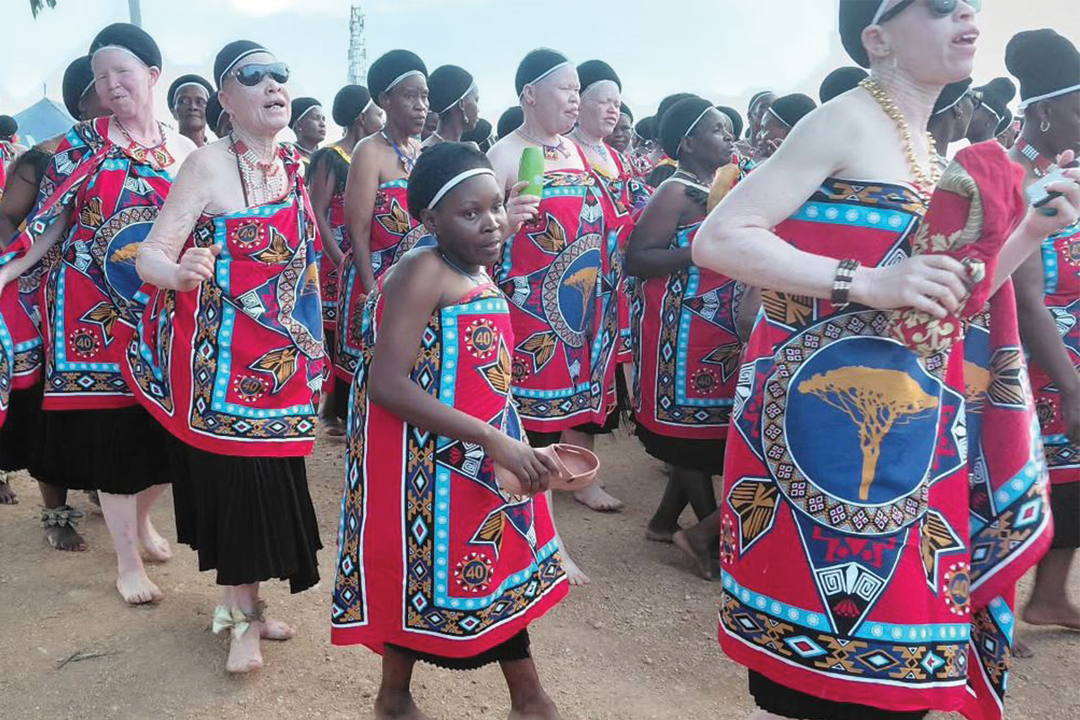
This year, 140 participants from the disability sector proudly took part in the Lutsango regiment, doubling last year’s attendance and sending a clear message: culture belongs to everyone.
Fikile Shongwe, Disability Manager at the Deputy Prime Minister’s Office, confirmed that participation by people with disabilities had officially doubled, rising from fewer than 70 last year to 140 in 2026. “These women weren’t just attending; they were active members of the libutfo, proving that disability is truly not inability when it comes to serving our Monarchs,” Shongwe said.
The increase reflects both government outreach efforts and the growing confidence of people with disabilities to engage fully in national heritage. Participants came from all four regions of the country and were fully integrated into the traditional ceremonies, presenting tetfulo, or gifts, and performing kutsamba, the ceremonial dance, alongside other members of the libutfo.
The presence of 140 participants demonstrated that the first fruit of the harvest is a blessing meant for every citizen, regardless of physical challenges.
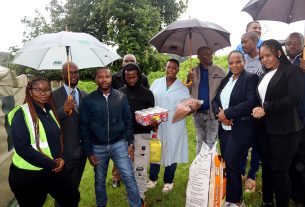
Achieving this milestone required careful planning and practical support. Specialized transport ensured participants from across the country could attend, while sunscreen was distributed to safeguard participants with albinism from the intense summer sun.
As the Buhleni leg concludes, attention now shifts to Hlane Royal Residence, the second leg of the ceremony. With participation already doubled since last year, the 2026 Buganu Ceremony has set a gold standard for inclusion, showing that Eswatini’s culture embraces unity, dignity, and equal participation.
Among the highlights, a Lutsango member from the Manzini region, living with a disability, performed kutsamba before Their Majesties. Her graceful performance earned admiration and applause, proving that Eswatini’s rich traditions are open to all and reinforcing the values of respect, unity, and cultural pride.