


BY THEMBA ZWANE
LOBAMBA – His Majesty’s Correctional Services (HMCS) has informed the Public Accounts Committee (PAC) in Parliament that a matter involving a E7.3 million overdraft reflected under poultry extension trading account has been extensively discussed with the Accountant General, Auditor General and the Ministry of Finance.
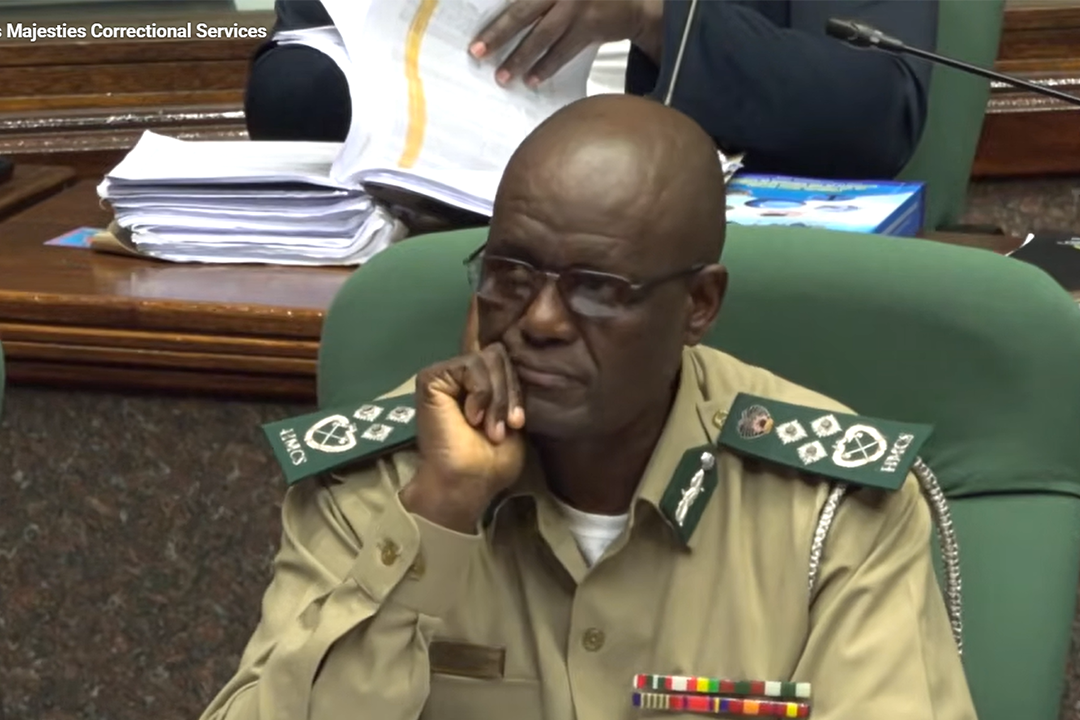
The corrections department, under the Ministry of Justice and Constitutional Affairs, appeared before the committee on May 22, 2026.
Representative from the office of the Auditor General noted that under paragraph 393 related to the accumulated deficit reflected under the poultry extension trading account.
“The Committee noted a significant increase in the overdraft from E13 million to E20 million, representing an increase of E7.3 million or 54% compared to the previous financial year,” said the officer.

He said the trading account is expected to sustain itself through the generation of revenue. However, the Committee observed that despite this expectation, the account continues to accumulate overdrafts. Income and expenditure are not balancing, and the gap between costs and revenue remains considerably wide.
“The Committee therefore seeks clarity from the department regarding the purpose and sustainability of the trading account, particularly in light of the continued accumulation of deficits. What specifically caused this significant increase of 54% in the overdraft? The Committee further requests an update on the application for the establishment of a special account and the related regulations governing its operations.”
In response, the Controlling Officer thanked the office of the Auditor General for the continued guidance and support. He explained that the matter of the trading account deficit has been discussed extensively with the Accountant General, the Auditor General, and the Ministry of Finance. According to the department, the trading account operates as a business entity where stock is purchased and later sold for profit.
However, the department highlighted challenges associated with government procurement procedures. Inputs and stock are procured through tender processes, and by the time procurement is finalised, market prices would often have increased significantly. At the same time, products must still be sold at prevailing market prices, limiting the department’s ability to recover escalating costs.
The Controlling Officer further explained that capital investments also contributed to the increase in the deficit. During the financial year under review, the department initiated egg production projects, which required the purchase of equipment and infrastructure. These investments increased expenditure in the short term, while returns and profits from the projects are expected to materialize gradually over a longer period rather than within a single financial year.
#HMCS #JusticeMinistry #Government #Eswatini #PAC #Parliament #CapitalInvestment