


BY PHUMELELE GAMEDZE
MBABANE – Eswatini is moving towards locally produced fuel, with Government proposing a 10% bio ethanol blend in unleaded petrol, supported by a plant capable of producing 10,000 litres of fuel grade ethanol daily.
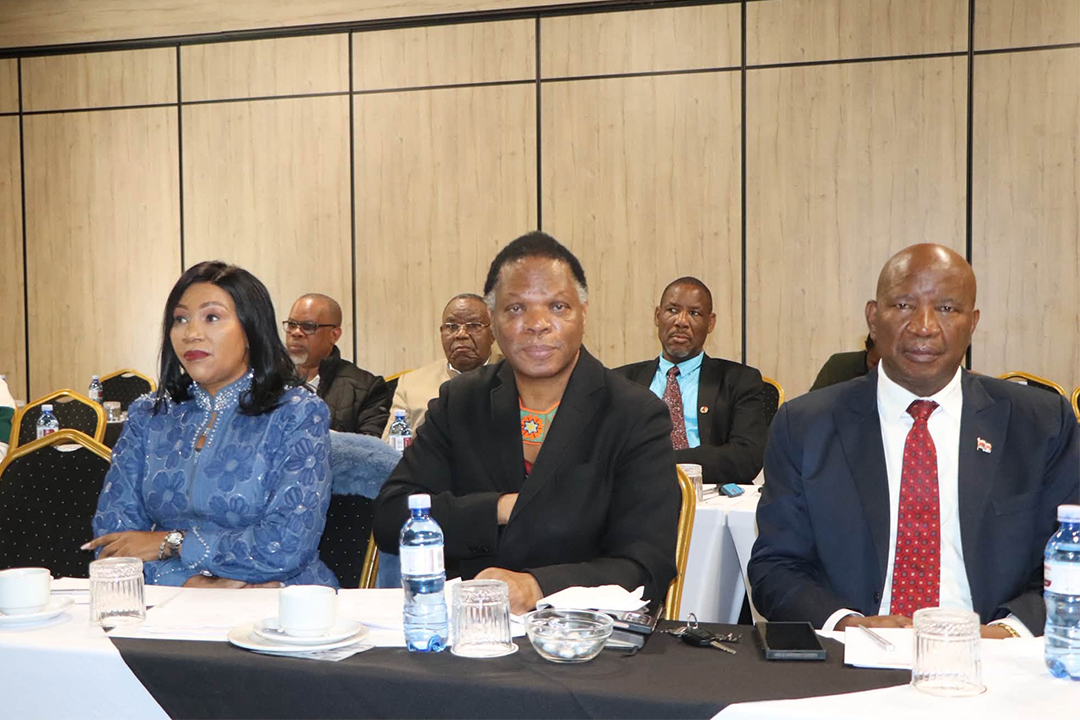
The development was highlighted by Minister for Natural Resources and Energy, HRH Prince Lonkhokhela, during a workshop with Honourable Senators following the tabling of the Blending of Bio Ethanol with Unleaded Petrol Regulations, 2025, in the Senate.
The proposed regulations could have a direct bearing on motorists and the wider economy by increasing the use of locally produced resources in the country’s fuel supply and reducing reliance on imported petroleum products.
Under the proposed framework, unleaded petrol will contain at least 10% locally produced bio-ethanol.

For Eswatini, the initiative presents an opportunity to turn a locally available resource into part of the fuel used on the country’s roads, while supporting local industry and retaining more economic value within the country.
Prince Lonkhokhela described the Regulations as an important step in Eswatini’s energy transition, saying they are intended to strengthen national energy security, promote sustainable practices and create opportunities for local investment and innovation.
The move is supported by infrastructure already established by the Royal Eswatini Sugar Corporation (RES Corporation). Its anhydrous plant is capable of producing 10,000 litres per day of 99.9% fuel grade ethanol suitable for blending with petrol.
RES Corporation’s ethanol distillery has a broader production capacity of 32 million litres over a 36 week production period, with molasses from sugar production used as its main feedstock.
The Minister said the proposed regulatory framework follows a two-year Government pilot project undertaken in partnership with RES Corporation.
The pilot provided an opportunity to test bio ethanol blending and demonstrated the need for clear rules before full implementation, particularly to ensure that investment is encouraged while consumers are protected through appropriate quality, safety and compliance standards.
The parliamentary workshop is therefore aimed at strengthening Senators’ understanding of the Regulations, including licensing and compliance requirements, blending standards and the roles of blenders, wholesalers and retailers.
Government is also engaging the Eswatini National Petroleum Company (ENPC), which is expected to serve as the blender in accordance with the Petroleum Act, 2020.
The initiative could further strengthen the connection between Eswatini’s sugar industry and its energy sector, with locally produced ethanol potentially contributing to the country’s fuel needs.
Beyond the fuel pump, increased use of locally produced bio-ethanol could create opportunities for businesses involved in production, transportation, blending and distribution, while supporting a more locally anchored energy sector.
However, implementation will need to balance energy development with consumer protection, food security and environmental sustainability.
The workshop gives Senators an opportunity to examine these issues and gain a clearer understanding of the proposed framework as the Regulations move through the legislative process.
For ordinary Emaswati, the significance of the initiative goes beyond the technical process of blending fuel. It represents an effort to make greater use of resources produced at home while strengthening Eswatini’s ability to meet its energy needs and build a more secure and sustainable economy.
#Eswatini #BioEthanol #EnergySecurity #SustainableEnergy