


BY MFANUFIKILE KHATHWANE
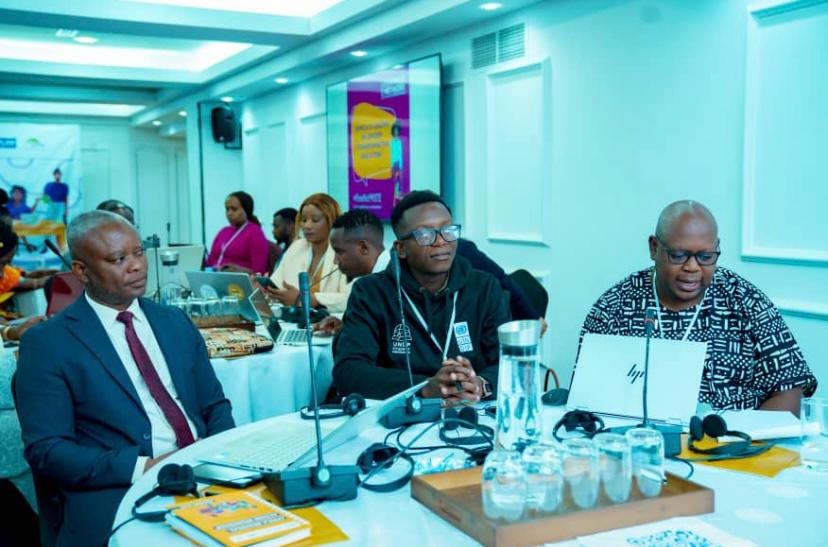
MBABANE – Breaking barriers and challenging outdated norms that was the focus of the Africa Regional Action Workshop on Gender Transformative Education (GTE), held on August, 26, 27, 2025 in Nairobi, Kenya. The workshop, aligned with Sustainable Development Goal 5 on gender equality, brought together students, educators, and activists to explore practical ways to advance gender equality in schools.
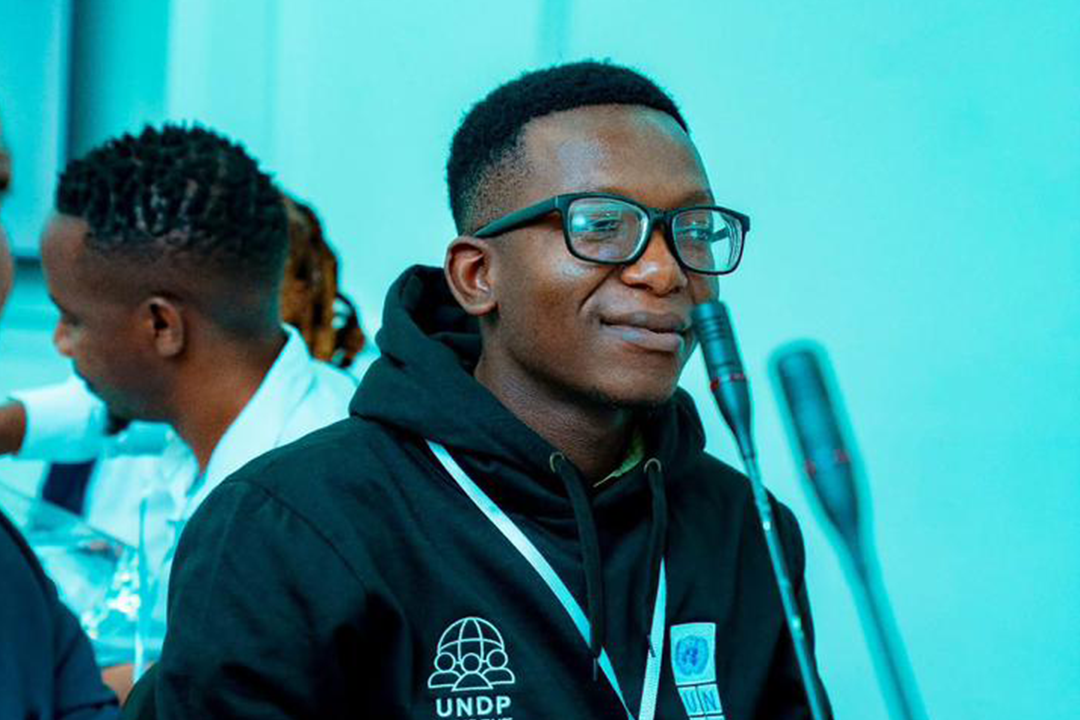
Phumlani Holinhlanhla Magagula, final-year Environmental Health student at the University of Eswatini and UNDP Student Ambassador, highlighted key lessons that could transform Eswatini’s education system.
Raising awareness is the first step. “Change begins with people. Safe spaces in schools and communities allow learners, teachers, and parents to discuss, reflect, and challenge harmful ideas,” said Magagula. Storytelling, peer learning, art, and digital platforms make these conversations relatable and impactful.
Shifting social norms is essential. Boys, men, parents, traditional leaders, and faith communities must all participate to ensure lasting change.

Access and resources are critical. Many girls face barriers such as school fees, unsafe travel, lack of menstrual products, or limited digital access. Scholarships, safe transport, and inclusive learning tools can unlock opportunities.
Policy and institutional support ensures progress lasts. Integrating gender equality into policies, budgets, and teacher training empowers students not just to attend school, but to lead, decide, and thrive.
Adding a global perspective, Selina Nkoile of the Nashipai Maasai shared her work to end Female Genital Mutilation and highlighted challenges that hinder gender-transformative education. She facilitated a “solidarity circle,” giving participants a moment to reflect, share experiences, and centre themselves.
Magagula reflected on the workshop’s impact: “These discussions plant seeds of change. With community involvement, policy backing, and the right resources, Eswatini can make meaningful progress toward gender equality in education.”
The workshop reinforced that achieving gender-transformative education requires awareness, collective action, and systemic change to ensure every child has the opportunity to thrive.
(Courtesy Pics)