



BY MBONO MDLULI
MBABANE – The Premier League of Eswatini (PLE) has intensified efforts to promote accountability and good governance within the country’s football sector by partnering with the Eswatini Revenue Service (ERS) to educate clubs on their tax obligations and compliance requirements.
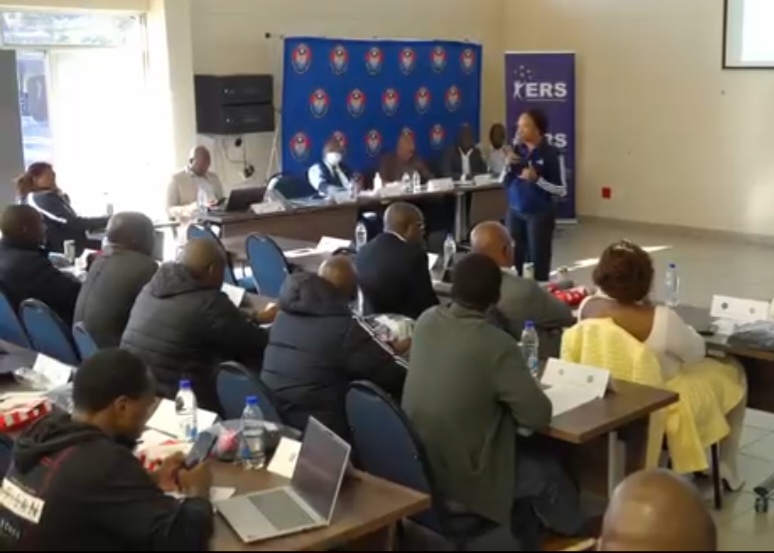
According to information from the ERS, the taxpayer education session brought together football administrators, club presidents and managers from across the country, including Nsingizini Hotspurs President Derrick Shiba, Mbabane Highlanders AM President Shawn Mkhize, PLE management and other senior football leaders.
Leading the engagement was ERS Senior Taxpayer Education Officer Thulile Simelane, who outlined the importance of tax compliance and maintaining good standing with the tax authority. The session formed part of the ERS’ broader strategy to strengthen tax awareness across all sectors and encourage voluntary compliance.

Speaking during the engagement, Derrick Shiba said the football fraternity understood that it had a responsibility to contribute to national development through the payment of taxes.

Shiba noted that His Majesty King Mswati III had recently announced plans for the construction of a 40 000-seater stadium and said such ambitious national projects would require resources generated through tax revenue.
He said every taxpayer had a role to play in supporting the country’s development agenda, including stakeholders within the football sector and supporters of the game.
At the same time, Shiba highlighted the financial realities facing many clubs, noting that football administration is often driven by social responsibility rather than profit. He said this made engagements with the ERS important, as clubs needed a clear understanding of how to meet their tax obligations while continuing to serve their communities.
PLE Chairperson Polycarp Dlamini expressed appreciation to the ERS and its Commissioner General, Brightwell Nkambule, for making the taxpayer education programme possible.
Dlamini said paying taxes was one of the clearest demonstrations of integrity, a value that football administrators should uphold as they seek to strengthen the image of the game and attract greater public confidence.
He added that improved governance and compliance within football structures would help position the sport as a credible and responsible partner in national development.
The engagement reflects a growing commitment by football stakeholders to embrace transparency, accountability and compliance, while recognising that tax revenue remains a critical source of funding for public services and infrastructure development in Eswatini.