



BY PHUMELELE GAMEDZE
MBABANE — At 26, Neliwe Vilakati’s journey has already taken her through factory work, entrepreneurship, South Africa, interrupted studies, financial hardship and a difficult battle with depression. Today, she is finding new purpose in the soil.
Vilakati completed her schooling in 2019 and started working at a textile factory in Siphofaneni. Determined to build something of her own, she saved money, obtained a trading licence and ventured into Mobile Money.
For a while, everything appeared to be going according to plan. Then she lost about E6 000 through the business.
That loss became a turning point.

She travelled to South Africa, where she worked as a domestic worker, but her stay was short-lived. After returning home, she used the money she had managed to save to start a mobile kitchen while continuing with her studies.
Her days became a demanding balancing act. She would wake up early to run the kitchen before heading to school at 8am.
“I could not keep up because I was sleeping during class,” she recalled.

Eventually, she stopped the business to concentrate on her studies. But with the money she had saved from the kitchen eventually exhausted, her education was also interrupted less than six months before graduation.
She returned to South Africa and found work at a textile factory again. However, another difficult chapter followed.
Vilakati returned home without finances and struggling with depression. She said the experience affected her deeply, with changes in her mood and sleep, while some people around her misunderstood what she was going through.
At her lowest point, she also turned to substance use, describing that period of her life as a disaster.
Yet, her story did not end there.
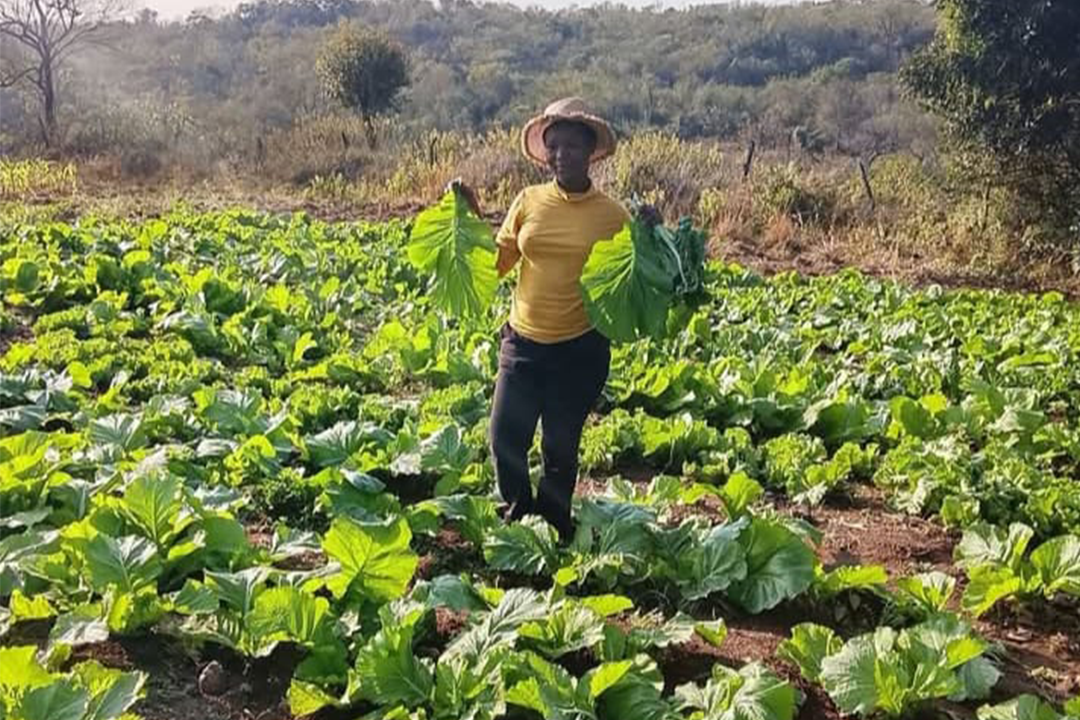
After battling through the difficult period, Vilakati decided to start again. She sold her laptop and used the money to venture into farming.
Today, she grows spinach, lettuce, green pepper and maize.
Her farming journey has also received support from Bucopho Mr Zwane, who provided her with two bags of fertiliser.
Although Vilakati has not formally studied agriculture, she says her passion for farming has pushed her to learn through experience.
“I have not studied agriculture, but because I love farming, I am doing it and it is working,” she said.
One of her promising crops is lettuce. She estimates that she spends about E500 on growing it and can make around E3 000 in profit, showing her that farming can become more than just a way of surviving.
For Vilakati, the farm represents more than vegetables. It represents a second chance.
She now dreams of completing her studies, formally studying agriculture, owning livestock and eventually buying her own land.
Her message to unemployed young people is simple: start somewhere.
“There is life in farming and there is profit in it. Tell yourself, ‘I can do this’, and you can,” she said.
Vilakati also wants young people to understand that depression is real and should not be dismissed or misunderstood.
Her experience has taught her that financial struggles and mental health challenges can push people into very difficult places, but seeking a way forward can open another chapter.
From losing E6 000 in business to losing her education dream temporarily, and from struggling with depression to finding hope in farming, Vilakati is proving that a setback does not have to become the end of the story.
For this young farmer, the soil has become a place to rebuild, dream again and show other young people that sometimes, a new beginning can grow from the hardest seasons of life.
#YouthInFarming #PositiveEswatini #MentalHealthAwareness #YoungEntrepreneurs