


BY TANDZILE DLAMINI
MBABANE — Eswatini has recorded progress in women’s representation, education and health, but gender based violence remains the country’s weakest area, with a Gender Status Index of 0.52, stakeholders revealed during the Eswatini Gender and Development Index validation workshop held at Hilton Garden Inn from April 22 to 23, 2026.
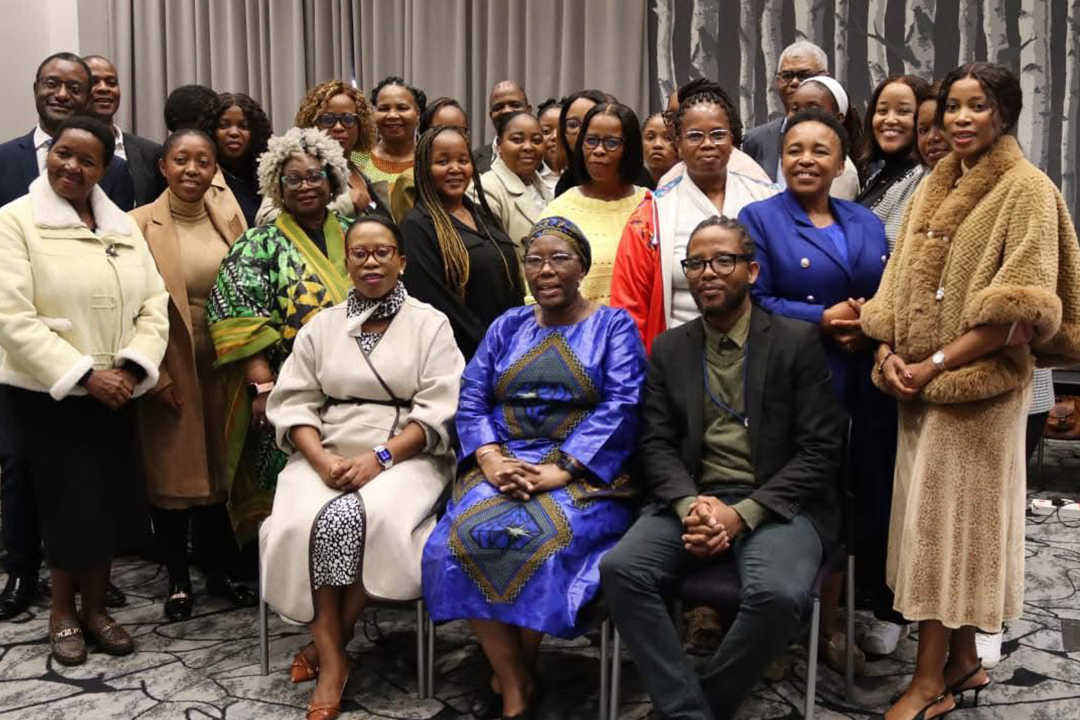
The workshop, hosted by the government in partnership with the United Nations Economic Commission for Africa, brought together key stakeholders including the Deputy Prime Minister’s Office, Department of Gender and Family Issues, Central Statistics Office, Ministry of Justice and Constitutional Affairs, Royal Eswatini Police Service, Ministry of Education and Training, and development partners such as the United Nations Development Programme to review findings measuring gender equality across the country.
Discussions showed that while more women are entering the civil service and accessing essential services, violence against women continues to undermine progress. “With a Gender Status Index of 0.52 for the right to live free from GBV, it is clear that Eswatini is still struggling. Ending violence against women remains a critical priority for our national development,” said Thembinkosi Tshabalala.
The Gender and Development Index is a tool designed to track gender equality using both data and policy analysis within the African context. Opening the workshop, Gender and Family Issues Coordinator Nomzamo Dlamini said the findings must drive action rather than remain statistics.

“It calls on us to design policies that are responsive, allocate resources that are equitable, and implement programs that are impactful. It pushes us to address not only gender gaps but also the intersecting inequalities that affect women and girls differently whether based on age, location, disability, or socio economic status,” she said.
Despite the GBV concern, the report noted improvements in the political sphere. Under the civil service, the Gender Status Index stands at 1.09, indicating that women now outnumber men. Stakeholders, including the United Nations Development Programme and government departments, said the focus must now shift to implementation, particularly in tackling violence, expanding women’s access to economic resources, and ensuring education leads to real opportunities.
Concerns were also raised over declining participation of girls at secondary level, pointing to gaps that continue to affect long term empowerment. “Gender parity is not just about health, it is about education and safety. We have made strides in health, but the work continues for our students and the safety of all women,” said Keiso Matashane Marite.
Stakeholders reaffirmed commitment to work together to close the gaps, with ending gender based violence identified as the most urgent priority.