


BY ZINHLE DLAMINI (INTERN)
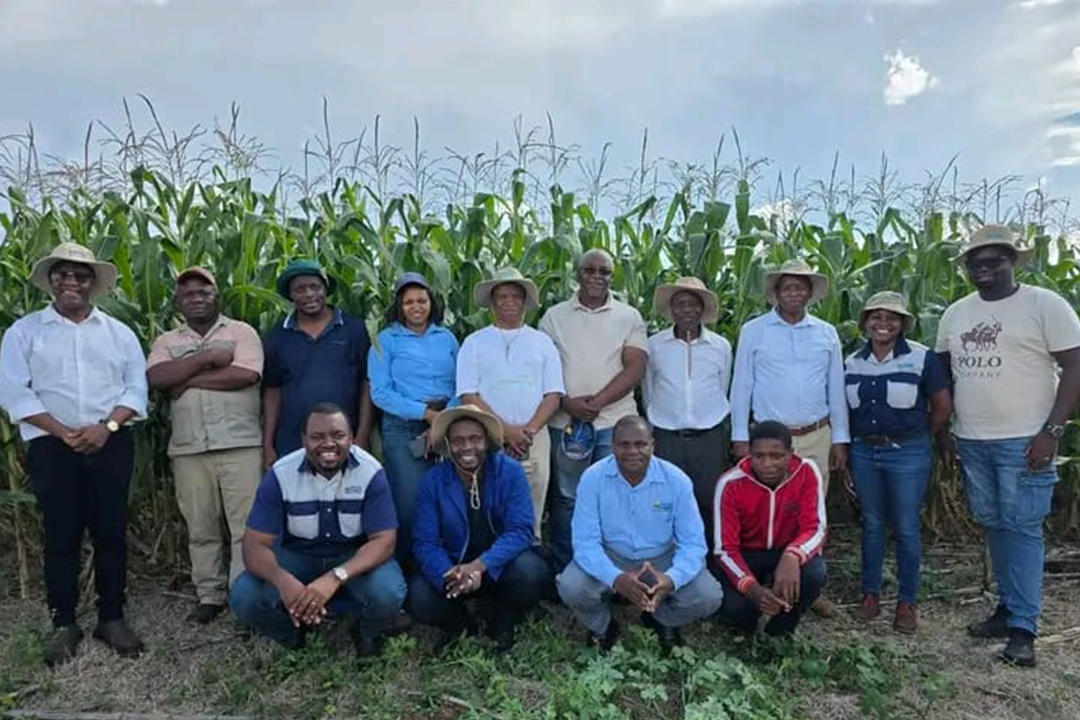
MBABANE – A group of 26 farmers under the Gege Cluster is rewriting the narrative of rural livelihoods, turning access to finance into tangible growth, food security and renewed dignity in Eswatini’s agricultural sector.
Information sourced from the Eswatini Water and Agricultural Development Enterprise’s Facebook page reveals that through the Hamba Ubuye initiative, the farmers have secured over E1.1 million in loans, enabling them to cultivate 169 hectares of land. The fields are now expected to yield an estimated 676 metric tonnes of produce, a development that signals both productivity and resilience at community level.
The intervention reflects a deliberate effort to unlock opportunities for smallholder farmers by strengthening access to capital and coordinated support. It also demonstrates how targeted programmes can transform underutilised land into productive assets that benefit households and local markets alike.
Beyond the numbers, the project is steadily restoring dignity in work and reinforcing the social fabric of farming communities. Households involved in the initiative are not only improving their income prospects but are also building stability through consistent agricultural activity. The projected E4.25 million in revenue is expected to circulate within communities, supporting livelihoods and stimulating local economic activity.

“This is what development looks like: steady, grounded, and driven by people,” the organisation noted in its Facebook post, highlighting the human impact behind the figures.
Analysts say such initiatives are critical in positioning agriculture as a viable economic driver, particularly for rural populations. By linking farmers to financial resources and structured programmes, the country is laying a foundation for sustainable growth while addressing poverty and unemployment.
The Gege Cluster project further underscores the importance of partnerships in development, where government-backed initiatives align with community participation to deliver measurable outcomes. It also offers a model that can be replicated across other regions to expand agricultural production and enhance national food security.
As the crops move towards harvest, the farmers’ efforts stand as a testament to what can be achieved when opportunity meets determination. For many, this is more than a farming season—it is a step towards a more secure and self-sufficient future.
#AgricultureGrowth #RuralDevelopment #FoodSecurity #EconomicEmpowerment