



BY MBONO MDLULI
MBABANE – Government is preparing to introduce a new electronic tax monitoring system designed to strengthen Value Added Tax (VAT) collection, improve transparency and ensure more revenue is available to fund essential public services across the country.
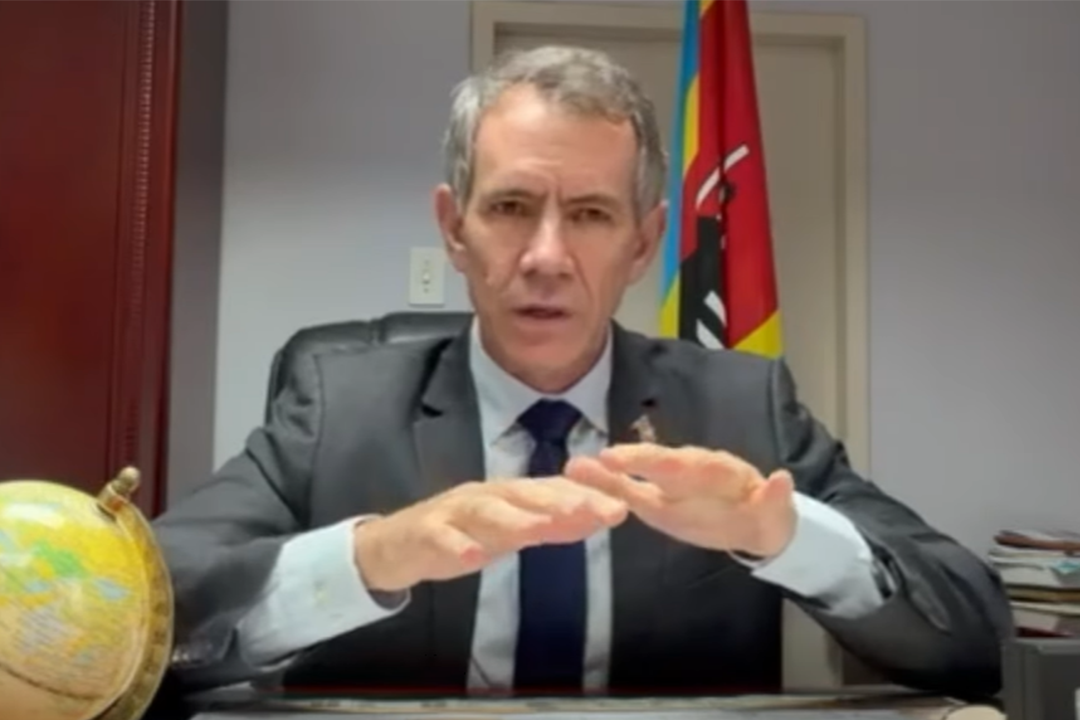
Finance Minister Neal Rijkenberg announced the initiative during Thursday’s #FinanceInFocus bulletin, describing it as a major step toward modernising tax administration and closing loopholes that allow some VAT payments to go unreported.
The new system will be implemented by the Eswatini Revenue Service (ERS) in partnership with Serbian technology company TechCorp. It will connect retailers’ point-of-sale systems directly to ERS, enabling VAT transactions to be recorded and monitored in real time.
According to Rijkenberg, VAT remains one of the government’s most important revenue streams, providing critical funding for healthcare services, education programmes, road construction and other public infrastructure projects that benefit emaSwati.

“VAT contributes a significant amount of money to the fiscus, and those funds are used to support service delivery throughout the country,” the minister said.
Closing Revenue Leakages
While consumers routinely pay VAT when purchasing goods and services, government has identified instances where some of the tax collected by businesses does not reach the national treasury. The new digital system is intended to address this challenge by creating a more accurate and transparent reporting process.
Under the proposed arrangement, every taxable transaction processed through participating businesses will automatically be transmitted to ERS, reducing opportunities for under-reporting and improving compliance with tax regulations.
Receipts generated through the system will include a unique verification code confirming that the transaction has been properly recorded and complies with ERS requirements.
“The law is going to require every shop to provide these compliant receipts,” Rijkenberg explained.
Public Participation Key to Success
The minister called on consumers to play an active role in the success of the initiative by always requesting official receipts whenever they make purchases.
He warned that some businesses may attempt to avoid the system by claiming their machines are malfunctioning or by offering discounts to customers who choose not to request receipts.
To encourage public participation, government is exploring several incentive programmes, including monthly prize draws for consumers who retain compliant receipts. Authorities are also considering mechanisms that could allow consumers to recover a small portion of the VAT they have paid, creating additional motivation to request and keep receipts.
“We are appealing to emaSwati to help us ensure that everybody receives these slips,” said the minister.
Modernising Tax Administration
Rijkenberg emphasized that the initiative does not introduce any new taxes. Instead, it focuses on ensuring that taxes already paid by consumers are properly collected and directed toward national development priorities.
He said improved VAT compliance would strengthen government’s ability to finance essential services while promoting fairness among businesses by ensuring all retailers operate under the same tax reporting standards.
“It’s simply about making sure the money you are already paying for service delivery is returned to citizens through better services and development,” he said.
The introduction of the digital VAT monitoring system forms part of broader efforts to modernise Eswatini’s tax administration framework, enhance accountability and support sustainable economic growth through improved revenue collection.