


By Mbono Mdluli
EZULWINI – Eswatini Government is now stepping up to ensure that it improves the participation of Emaswati at the SADC stage.
Government is doing this through the Ministry of Economic Planning and Development, which has organised a retreat in Ezulwini to see how Eswatini’s SADC participation is improved. The Ministry organised the retreat with support from the German Cooperation, in partnership with the SADC Secretariat.
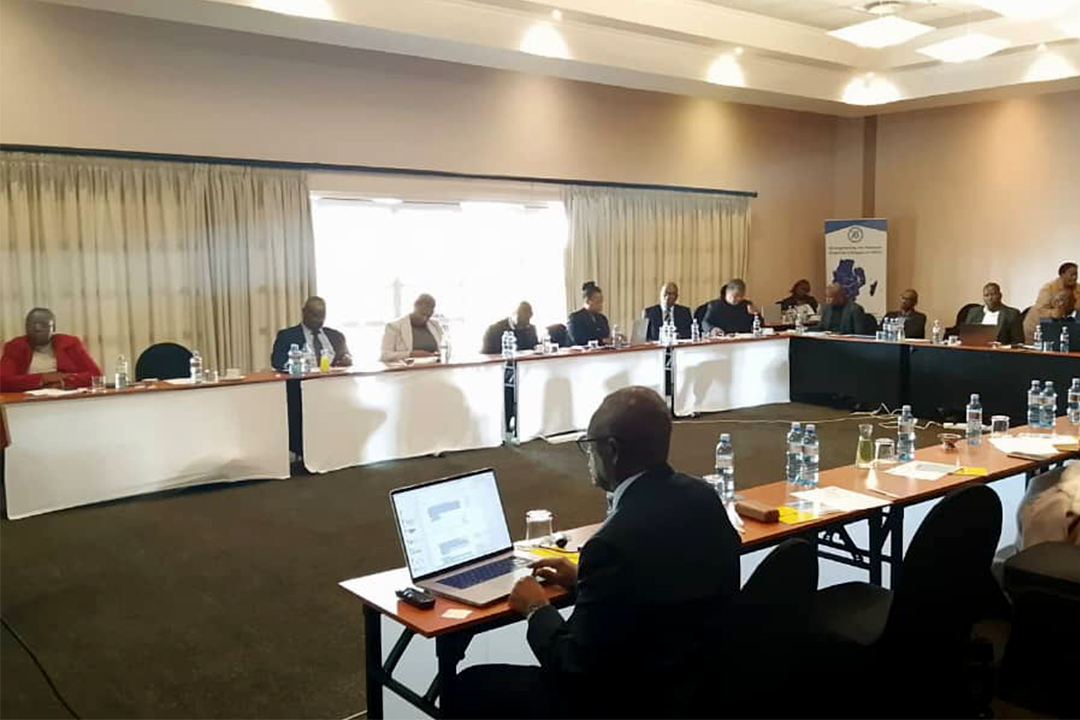
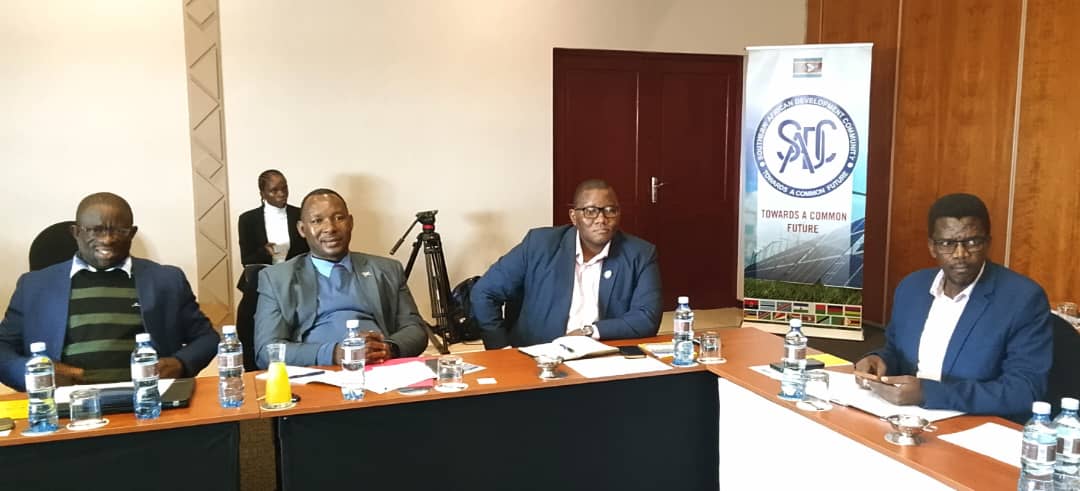
The SADC National Committee (SNC) Stakeholder Retreat on Strengthening Regional Integration Coordination in Eswatini took place on June 17, 2025 at Royal Villas in Ezulwini. The retreat featured senior Government officials, trade union activists, private sector professionals, academics, and members of Non-Governmental Organisations (NGOs). The retreat was facilitated by Daniel Chiwandamira, who has been working at SADC since it’s establishment in 1992.
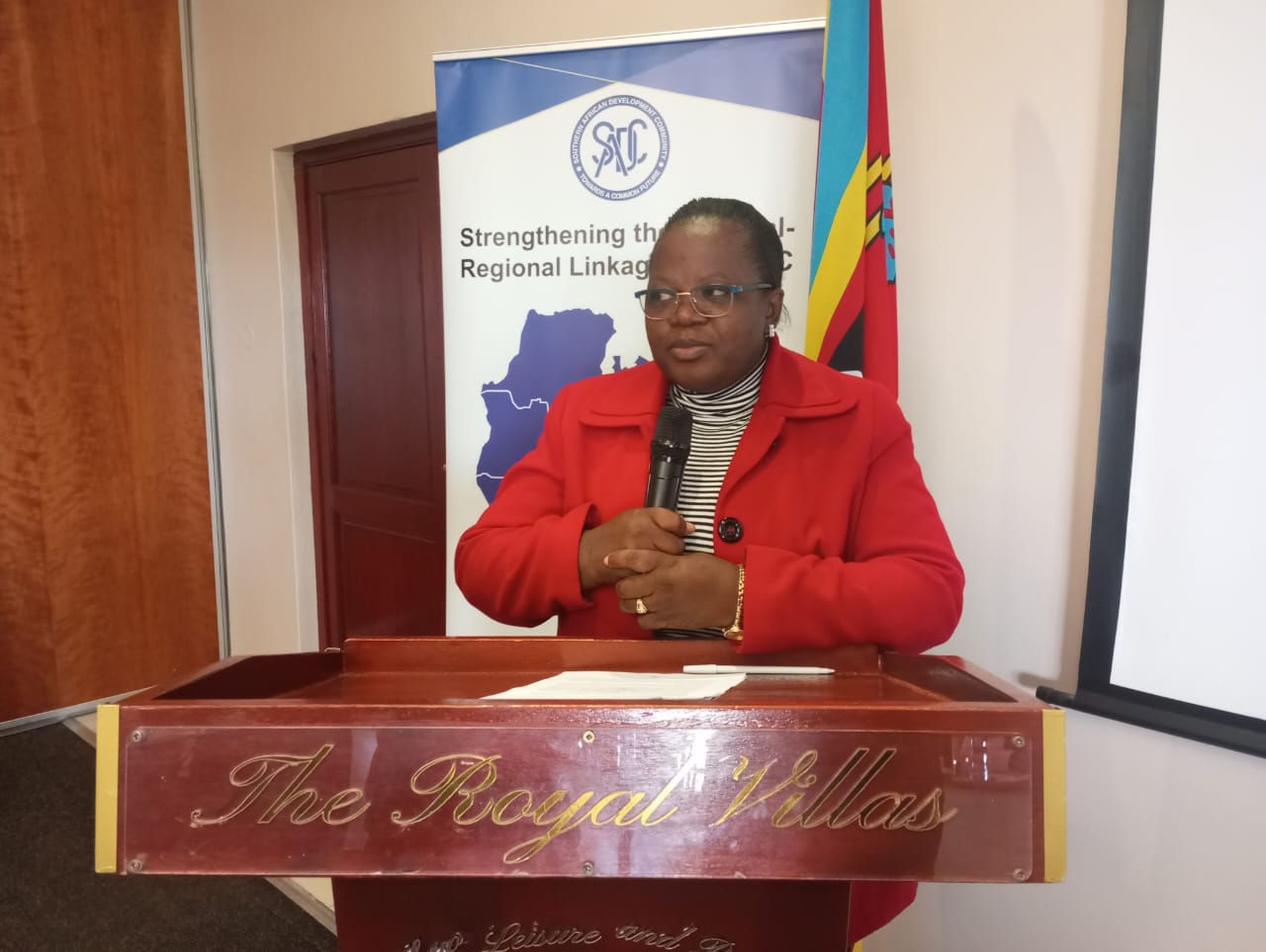
The retreat was opened by Ministry of Economic Planning and Development Principal Secretary (PS) Thabisile Mlangeni. In her opening remarks, Mlangeni said this retreat was part of a project which commenced in October 2023, set to come to conclusion in July, titled ‘Enhancing the Effectiveness and Sustainability of Eswatini’s SADC Coordination Structures.’

Other activities under this project covered the training of Government officials and representatives of relevant non-state actors on regional integration, project management, and resource mobilisation, which was held in November last year at Esibayeni Lodge in Matsapha.
Previously (2021-2022) Mlangeni said a similar project was undertaken to develop a SADC National Operating Model Blueprint, which outlined the National SADC ecosystem, detailing all the committees and sub-committees required for effective coordination of the regional integration agenda at national level.
Mlangeni said Eswatini, like all SADC Member States, was obliged to have functional SADC National Committee (SNC), to oversee and guide the country in the implementation of regional integration programmes/projects at national level. Most importantly, the SNC mandated to give input in the formulation of SADC policies, strategies, and programmes of action.
Mlangeni said the SNC was prescribed by the SADC Treaty of 1992 (Article 16A). As the country worked to strengthen SADC coordination structures, the PS said SNC was viewed as the backbone of the national SADC ecosystem, hence the need to establish and capacitate this body to be able to comprehend and perform it’s mandate diligently.
According to the PS, the SNC is designed to comprise line Ministries, Departments’ controlling officers and executives from relevant non-state actors’ organisations, covering employers, emloyees’ organisations, and academia. The SNC is chaired by the SADC National Contact Point (NCP), with the SADC Unit, under the NCP Office, serving as a Secretariat.
She said this induction exercise was designed to prepare the SNC members for the assumption of their mandate as a SADC National Committee, familiarising members with the institutional frameworks and the related structures.
The officials who took part in the meeting ended up agreeing that have formed the SNC within six months from now.