



BY PHUMELELE GAMEDZE
MBABANE– Patient safety does not end when a person walks out of a hospital or clinic. It continues at home, where something as simple as storing medicine incorrectly, missing a dose or reusing an injection could place a patient’s health at risk.
This was the message from the Ministry of Health as Eswatini joined the rest of the world in observing World Patient Safety Day, with patients being encouraged to take greater responsibility for the safe use, storage and disposal of their medication.
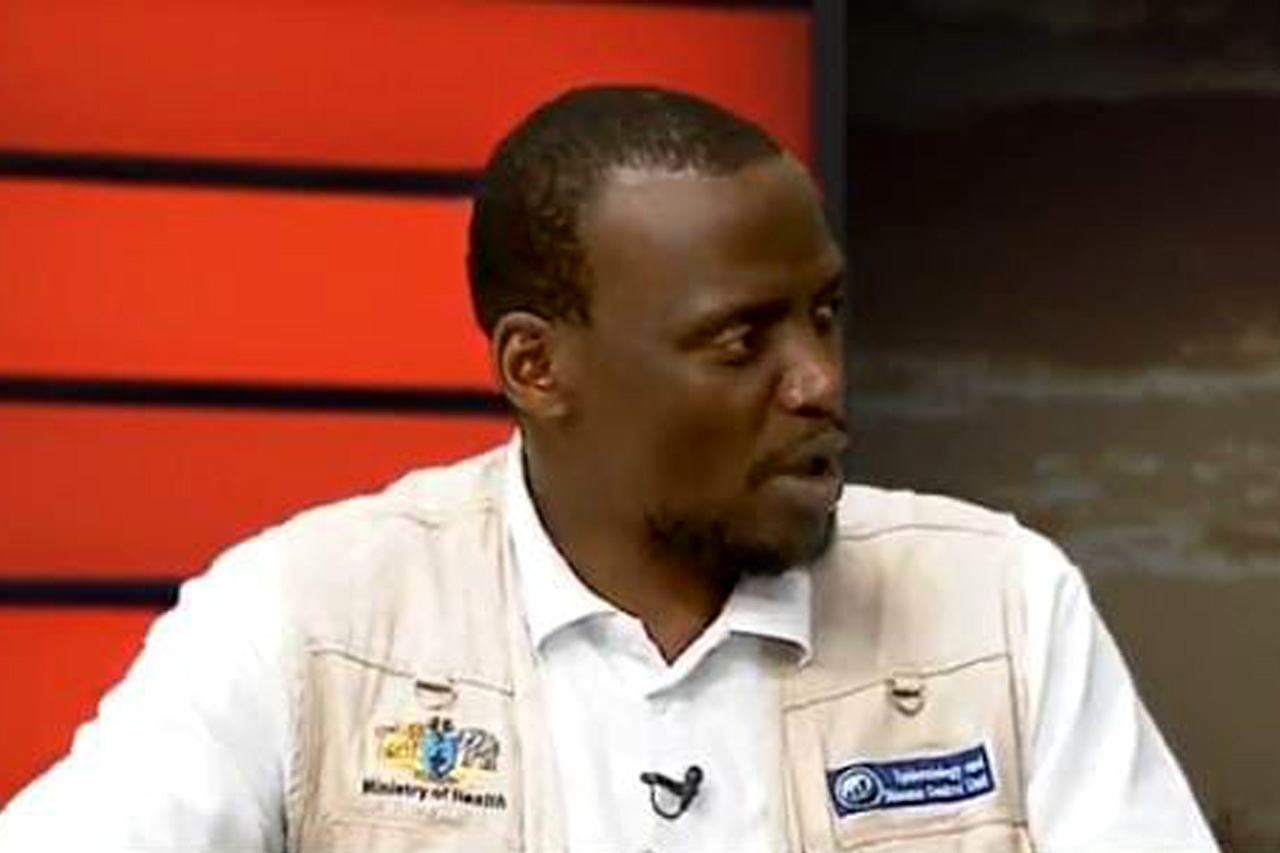
Speaking on the Kusile Breakfast Show on Eswatini TV, Ministry of Health representative Vusi Shabangu highlighted everyday treatment habits that can make a significant difference in protecting patients, particularly those living with chronic illnesses.
Shabangu said patient safety should be viewed as a continuous responsibility involving both healthcare workers and patients themselves.

“There are many things to take precautions on,” he said, stressing that medicines should always be stored according to the instructions provided by healthcare professionals.
He explained that medicines do not all have the same storage requirements. While some must be kept away from direct light or excessive heat, others require refrigeration to remain safe and effective.
“For example, patients living with diabetes need to be mindful of how they store their medication, as some medicines require refrigeration,” said Shabangu.
The warning is particularly important for people managing long-term conditions at home, where treatment often becomes part of the daily routine.
Shabangu said patients who administer injectable medication should also make hygiene a priority, including safely disposing of needles after use.
“They should make sure hygiene takes centre stage and dispose of injections correctly. They should also avoid using the same injection again and again because this can introduce bacteria,” he said.
For patients taking tablets or other oral medication, the Ministry stressed the importance of following medical instructions without changing doses or treatment schedules independently.
“Treatment should be taken at the right dose, at the right time and at the right frequency,” Shabangu said.
He further encouraged patients attending follow-up appointments to carry any unfinished medication with them so that healthcare workers can assess the treatment, check expiry dates and determine whether it remains suitable for use.
The Ministry also raised concern about medication mix-ups, particularly among some elderly patients who may struggle to distinguish between capsules or tablets that look similar.
Clear communication between patients, relatives, caregivers and healthcare professionals can therefore play an important role in ensuring that the correct medicine is taken at the correct time.
Another concern highlighted by Shabangu was the practice of combining prescribed medication with traditional remedies without first seeking appropriate medical guidance.
“Let’s not mix treatment,” he cautioned.
Shabangu explained that some traditionally used plants and vegetables may affect the body in ways that interfere with prescribed treatment.
He specifically referred to plants such as inshubaba and inkaka, saying that although they may traditionally be regarded as beneficial, patients living with conditions such as high blood pressure or diabetes should exercise caution when consuming them alongside prescribed medication.
“You may find that it lowers blood pressure or blood sugar very fast and in an inappropriate way, which may lead to losing someone while trying to cure yourself,” he warned.
The message is not necessarily for patients to dismiss traditional practices, but rather to ensure that healthcare professionals are aware of everything a patient is taking so that potentially harmful interactions can be avoided.
Shabangu further encouraged patients to practise basic hygiene, including washing their hands before taking medication and before eating.
Another common mistake, he said, was stopping medication once a patient begins to feel better.
“Treatment should be taken until it is finished. One should not stop taking treatment when they feel well, but should finish it,” he said.
The Ministry’s message places patient safety firmly within the everyday lives of ordinary people.
From remembering the correct treatment time, storing medicines properly and keeping hands clean to disposing of injections safely and openly discussing traditional remedies with healthcare workers, seemingly small decisions can have a major impact on health outcomes.
The World Patient Safety Day message therefore serves as a reminder that protecting patients is not only about what happens inside health facilities. It is also about empowering individuals and families with the knowledge needed to safely manage treatment at home.
(Courtesy pic)


