


By Phesheya Ian Kunene
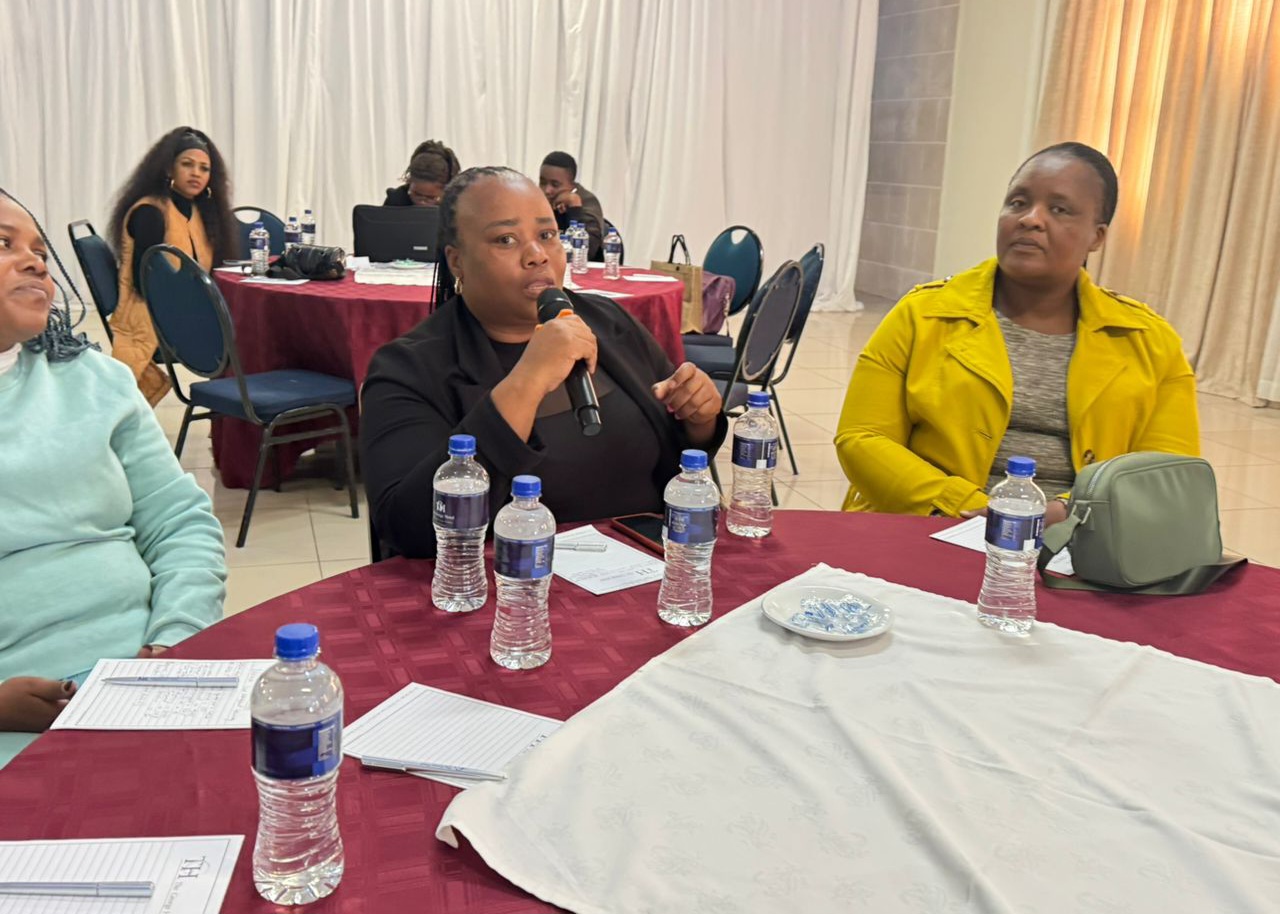
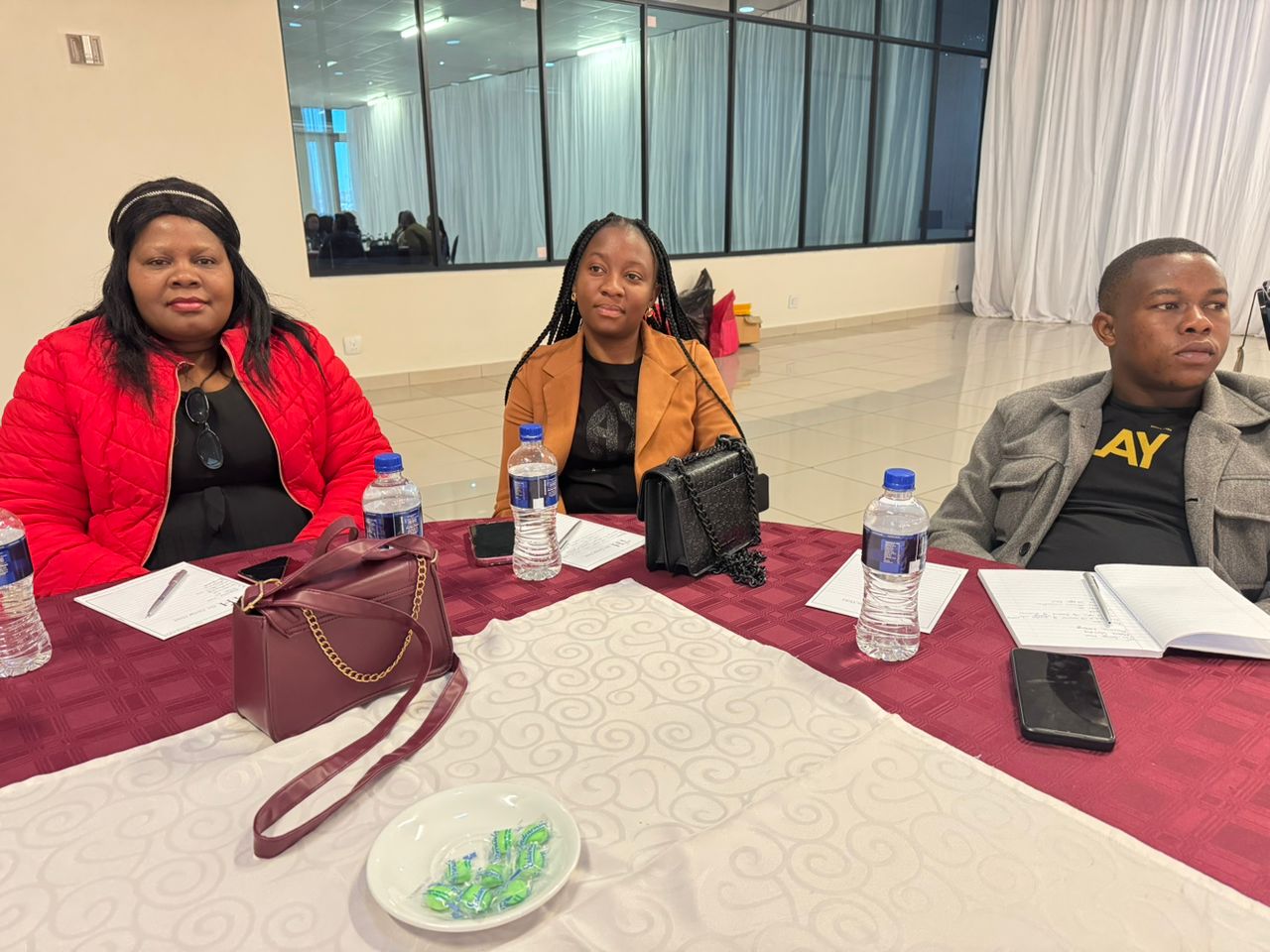
MANZINI – Dozens of healthcare workers have assembled at the George Hotel this week for a critical Malaria Case Management Workshop, aimed at reinforcing Eswatini’s fight against the deadly mosquito-borne disease.
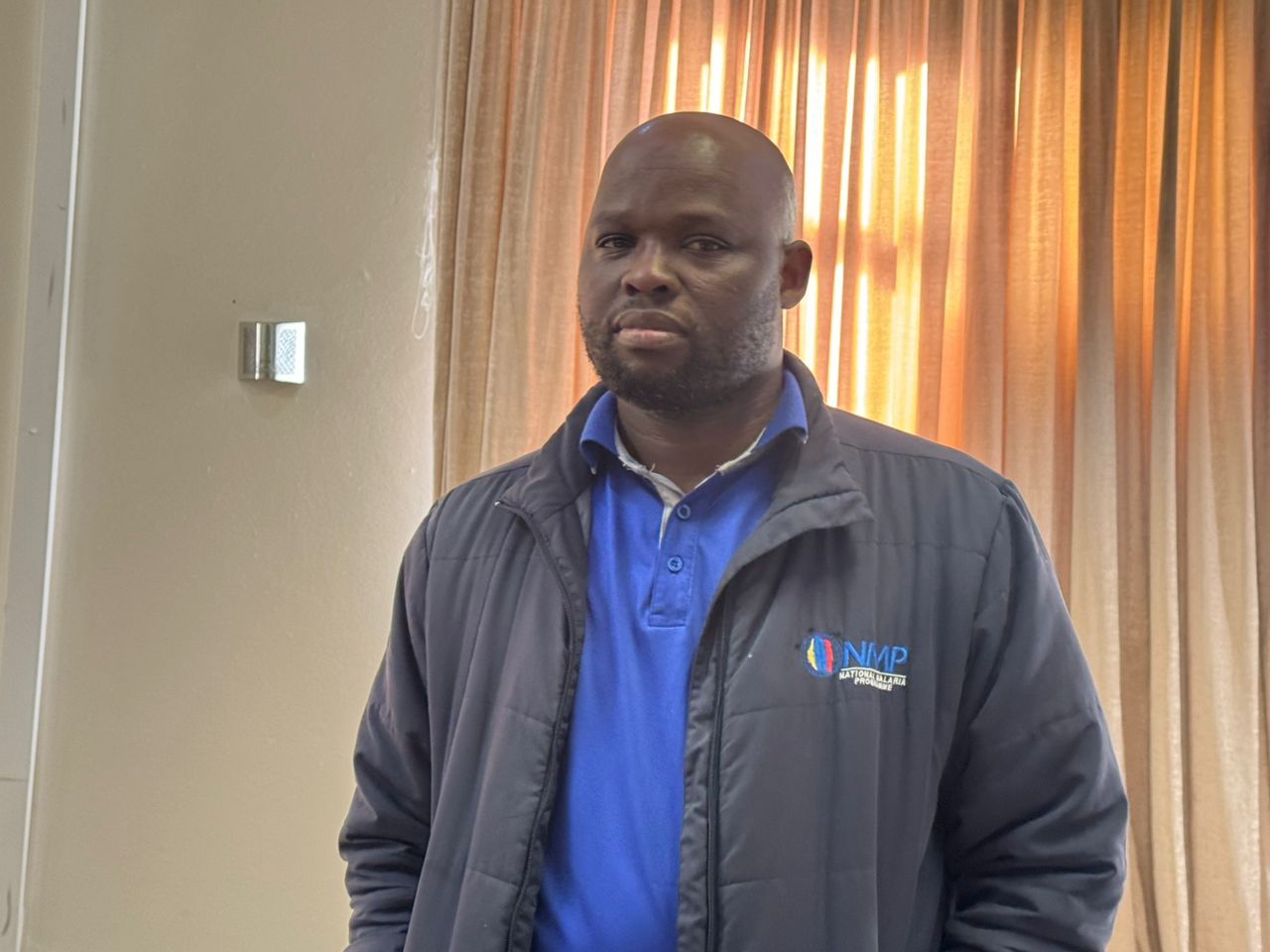
The four-day training, which began this morning, is being spearheaded by the Ministry of Health through the National Malaria Programme. Mbongiseni Mathobela, a senior officer in the programme, is leading the sessions designed to upskill nurses and clinicians from across the country on effective malaria case detection, treatment, and investigation.
“This training comes at a time when the country is seeing an upsurge in malaria cases following prolonged rainfall,” Mathobela told Eswatini Positive News. “It’s essential that case investigations happen within 48 hours of reporting. That’s the critical window to contain transmission and save lives.”

The workshop is structured in two cohorts: the first group began their session today, July 8, and will conclude on July 9. The second group will follow from July 10 to 11. Each cohort undergoes a 1½-day hands-on training focused on clinical skills, national protocols, and updated diagnostic procedures.

According to the Ministry of Health, the rise in malaria infections has been compounded by false-positive test results across several facilities, underlining the need for retraining. The workshop aims to standardise malaria case management and reduce diagnostic errors.
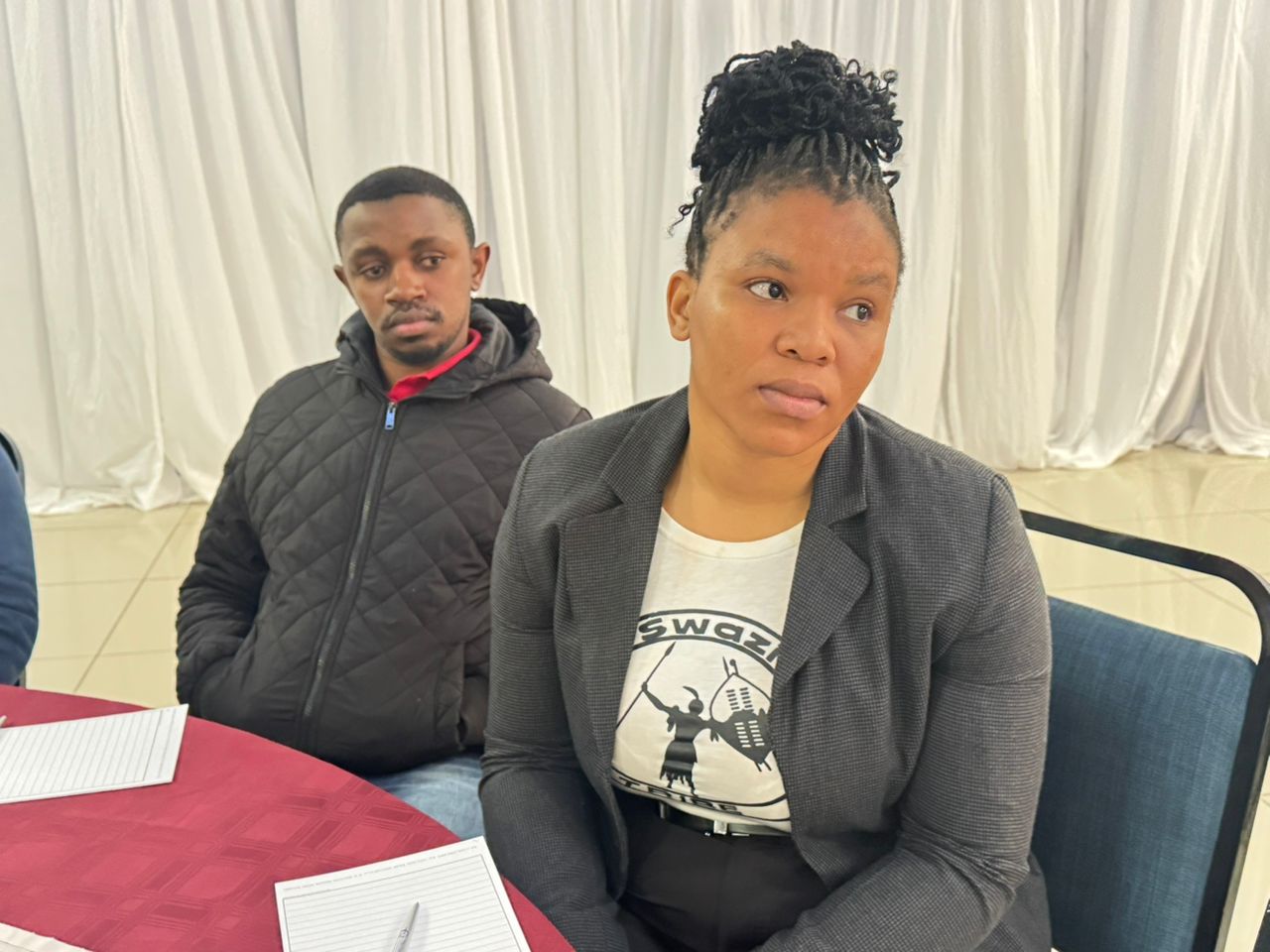
Health workers in attendance are also being trained to appreciate the diversity of malaria as a disease, comprehend the life cycle of the parasite and its vector, and understand human and environmental factors influencing transmission.
Training notes reveal that local transmission remains the primary concern, with the majority of cases recorded in domestic populations. A noticeable surge in infections occurs from January through May, with peak infections often traced to forested areas where people spend extended time outdoors for work or subsistence.

“To manage these high-risk groups, the programme is distributing over 10,000 mosquito nets to forest-dwelling communities and encouraging those exposed to seek preventive care at health facilities,” said Mathobela.
The sessions also detail the four key malaria parasites affecting humans, Plasmodium vivax, Plasmodium falciparum, Plasmodium malariae, and Plasmodium ovale. Special attention is being given to Plasmodium falciparum, known for its high mortality rate if not treated promptly.
Healthcare workers are being urged to engage communities, educate forest workers, and ensure prompt access to malaria medication. The broader goal is to strengthen Eswatini’s resilience against malaria and push the country closer to elimination targets.
As malaria remains a major public health concern, especially during the rainy season, the Ministry of Health is calling on all health professionals and communities to remain vigilant and proactive in preventing transmission.